Author: ACSAdmin

Storyteller of the Month - Q&A with Aida Namukose

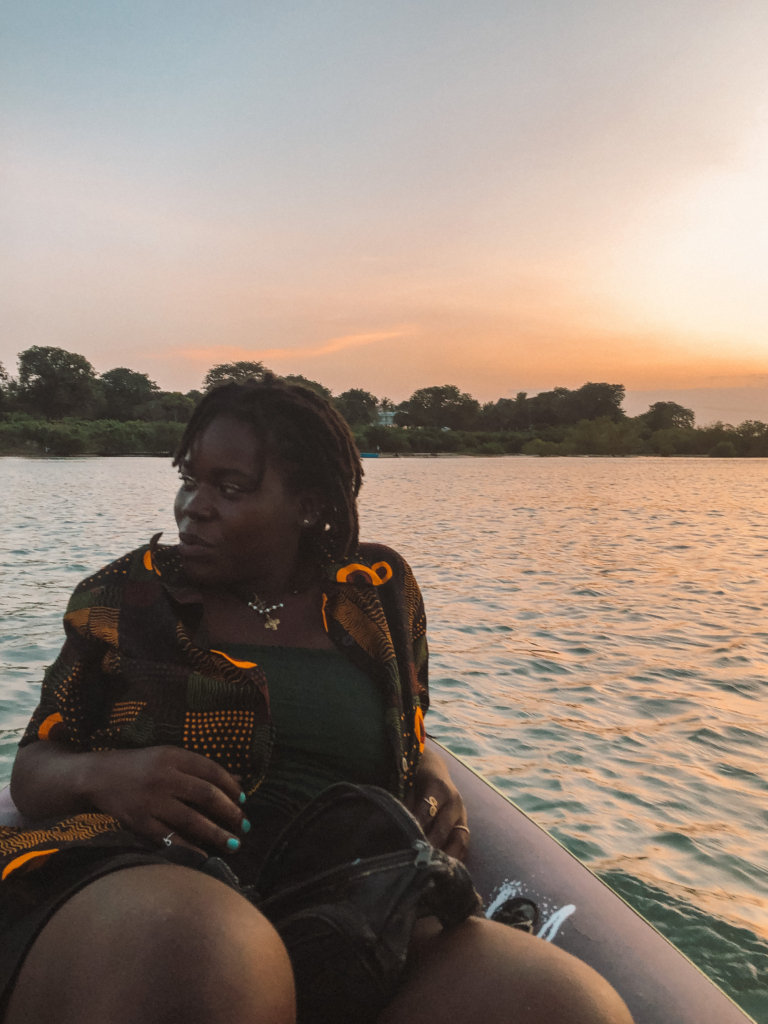
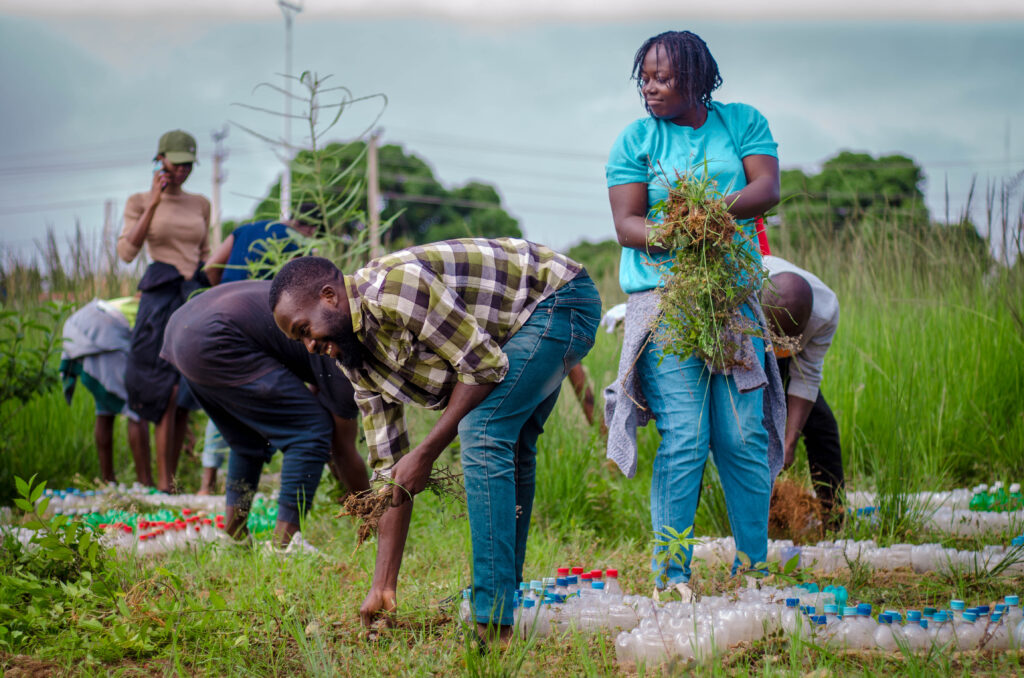
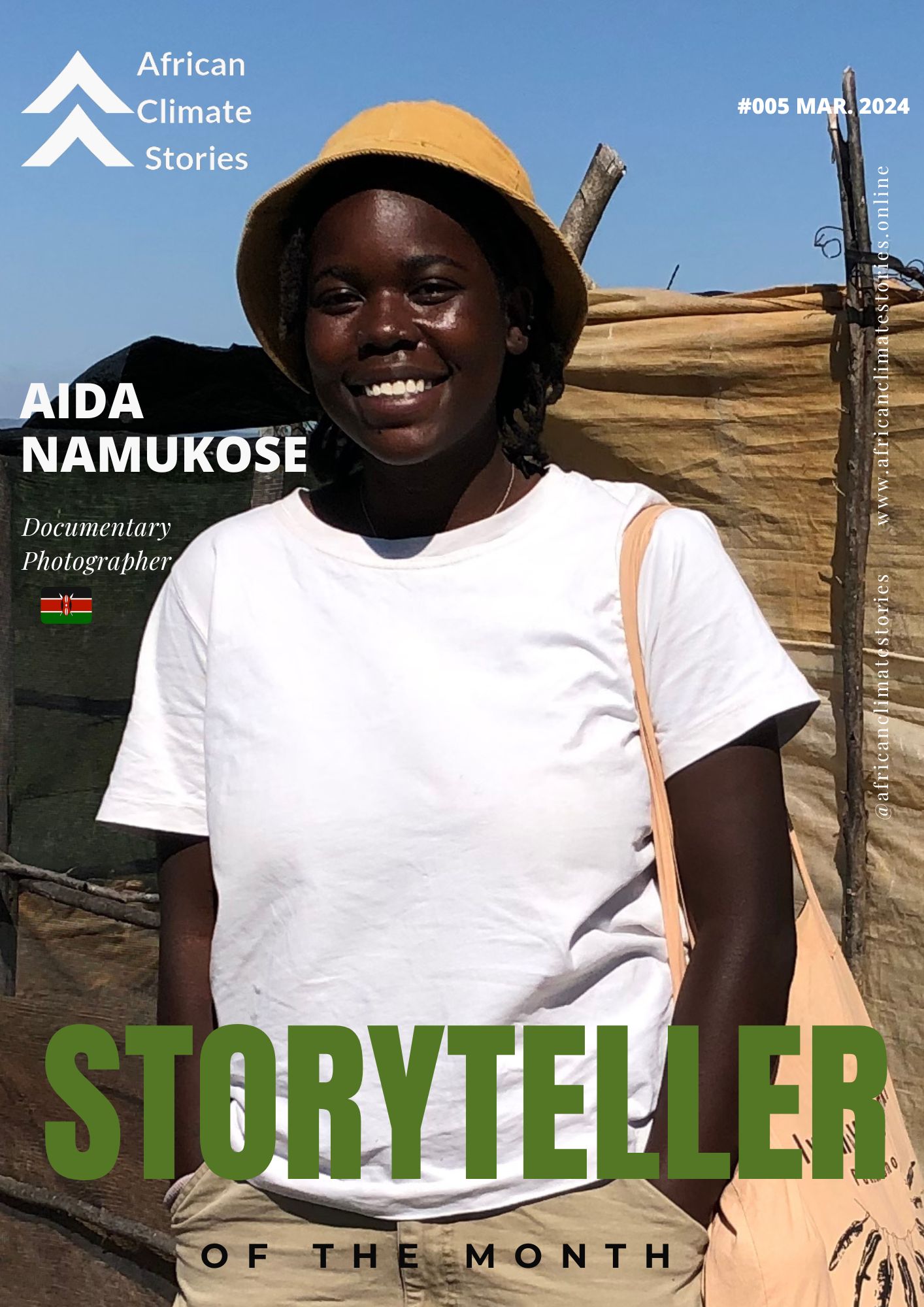
African Climate Stories - Storyteller of the Month, Aida Namukose.

Who is Aida Namukose?
Aida Namukose is a freelance photographer and eco-feminist from Uganda. She is passionate about human rights for all, nature based living and an imperialist free Africa.

What personal experiences sparked your passion for telling climate related stories?

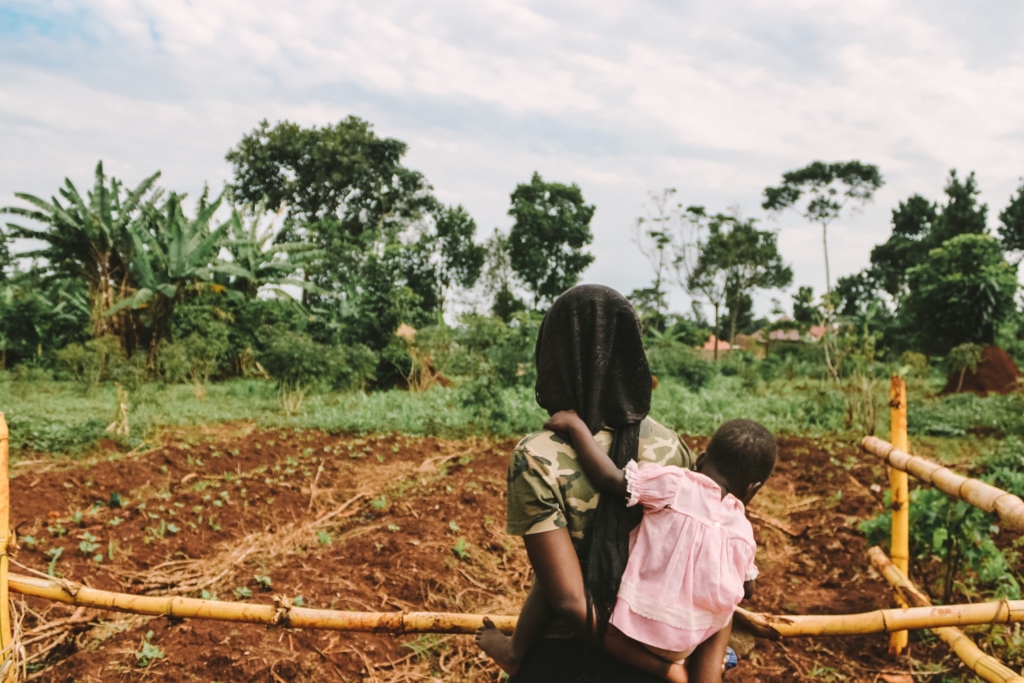
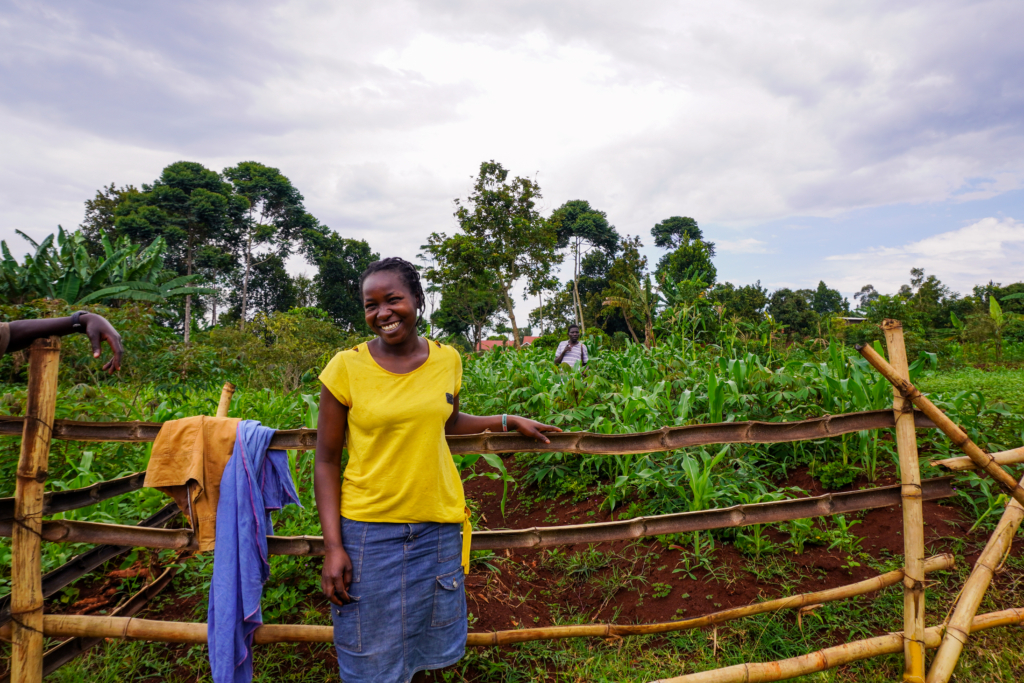
Without realising it, I think the experience of simply growing up in Uganda developed a passion in me for the environment that eventually translated into telling climate related stories. I grew up next to the river Nile and witnessed all the abundant agricultural activity that takes place here. Consequently, I also experienced the far reaching effects that a changing climate has on the landscape and people, most especially the women. 

Having a gift for photography, this became my medium of communicating some of these experiences.  


How does photography effectively communicate the urgency of climate and environmental problems?

To me, photography acts as an archive. It helps us compare changes in landscapes and the environments over time, as well as human relationship to it. Currently, photography is a tool that can be used to document remote and typically “off the map’ stories, putting together a more comprehensive picture of climate change.
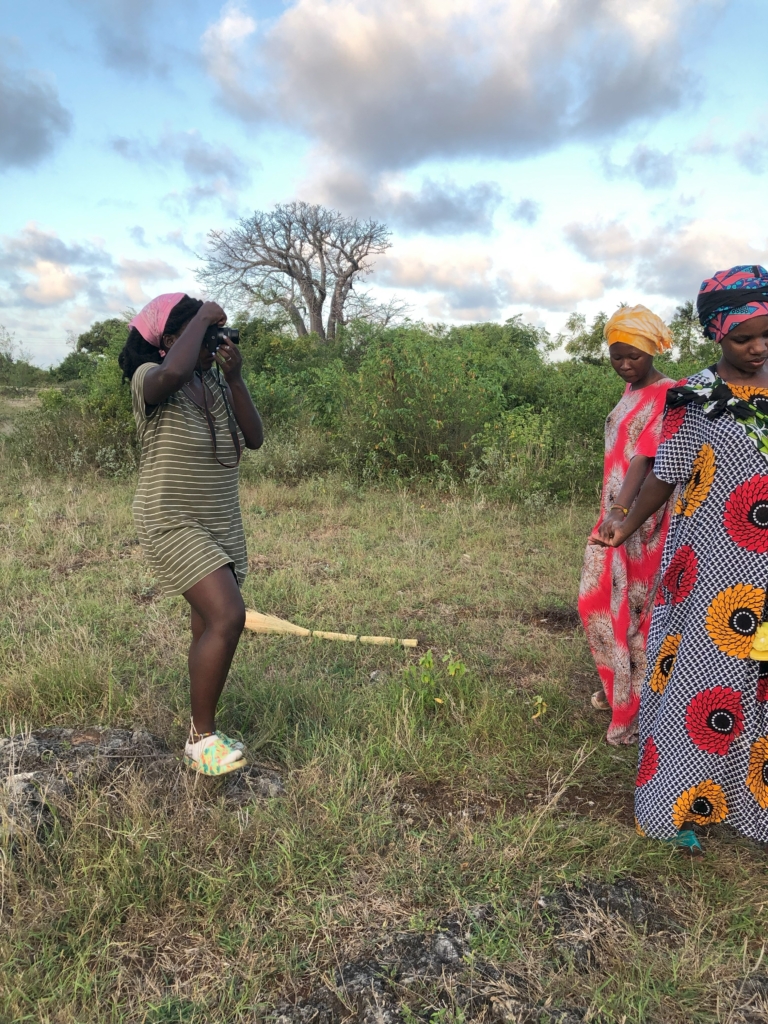
Aida Namukose, Kenyan Documentary Photographer on African Climate Stories
Aida Namukose – Documentary Photographer

I believe that connecting and truly resonating with the people/landscapes one is planning to photograph is a good start. That way, you can bring out their own unique story and experience with climate change that will resonate with audiences as rich and authentic. –

Aida Namukose

What was it like telling the stories of women working in the Ugandan food industry, and how climate change affects thier lives and work?

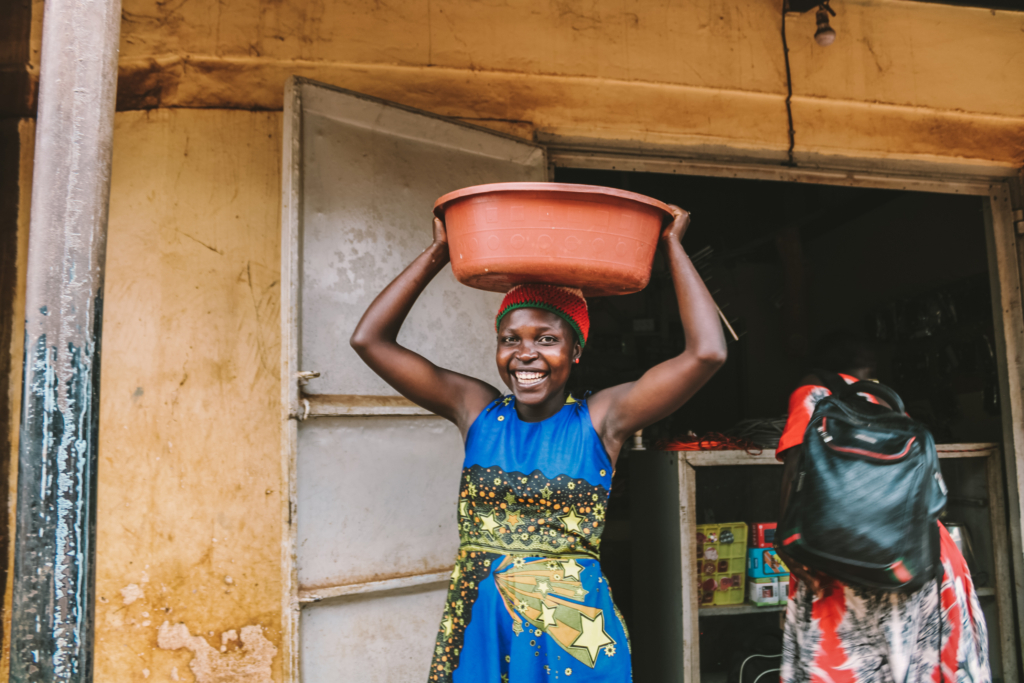
I started doing this work quite young, and thus it was not the easiest of experiences; approaching strangers and having to navigate an age or language barrier sometimes. However, it was also an adventurous experiences that allowed me access to certain rural ugandan settings I might not have visited otherwise. I also got to connect with warm and interesting women who were willing to share with me their stories.

Why do you think the transitioning from a freelance photographer to a climate documentary photographer was easy for you?

My transition was a lucky one; through a photo submitted to a competition,  I was initially working under Climate Generate, a research project on gender and climate change in urban areas in Uganda. I had the guidance of one of the researchers and eventually got to join a class hosted by FOTEA and UPPA that allowed us to develop more climate stories as a cohort (I loved working as a group with other ugandan photographers and also appreciated and needed the paid opportunity). 

What photography storytelling techniques do you find most impactful in engaging your audience on climate and environmental issues?

I think it’s important to really bring a setting to life for the viewer; through the use of color, composition, subject etc. This draws their attention and makes them more likely to care about the place and the story. I also think good writing (for captions and context) goes hand in hand perfectly with photography for informing audiences on climate and environmental issues.
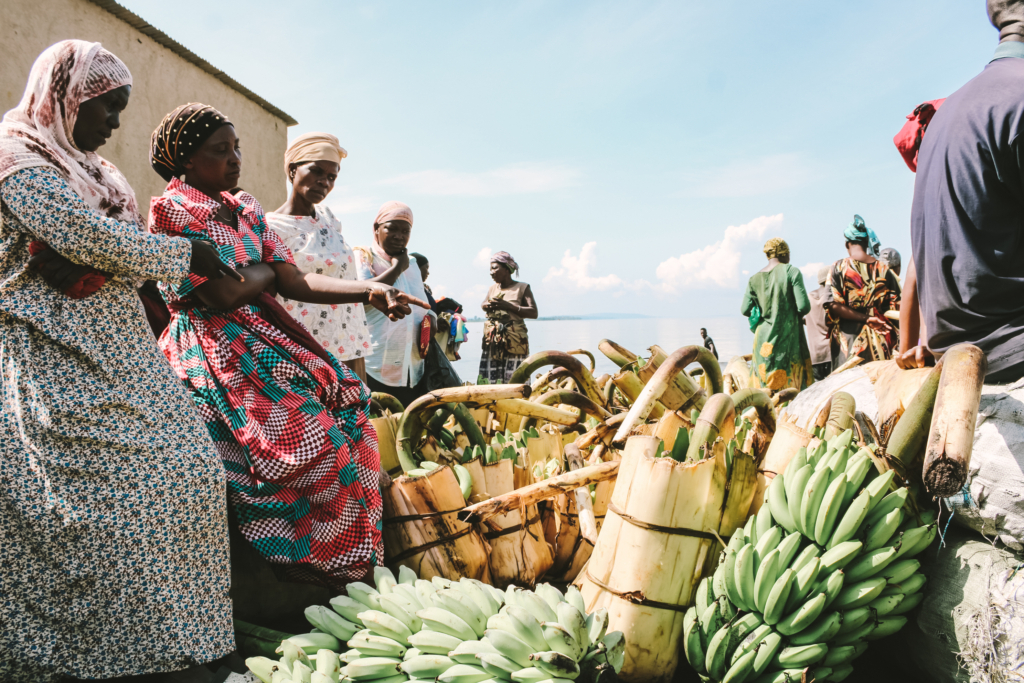
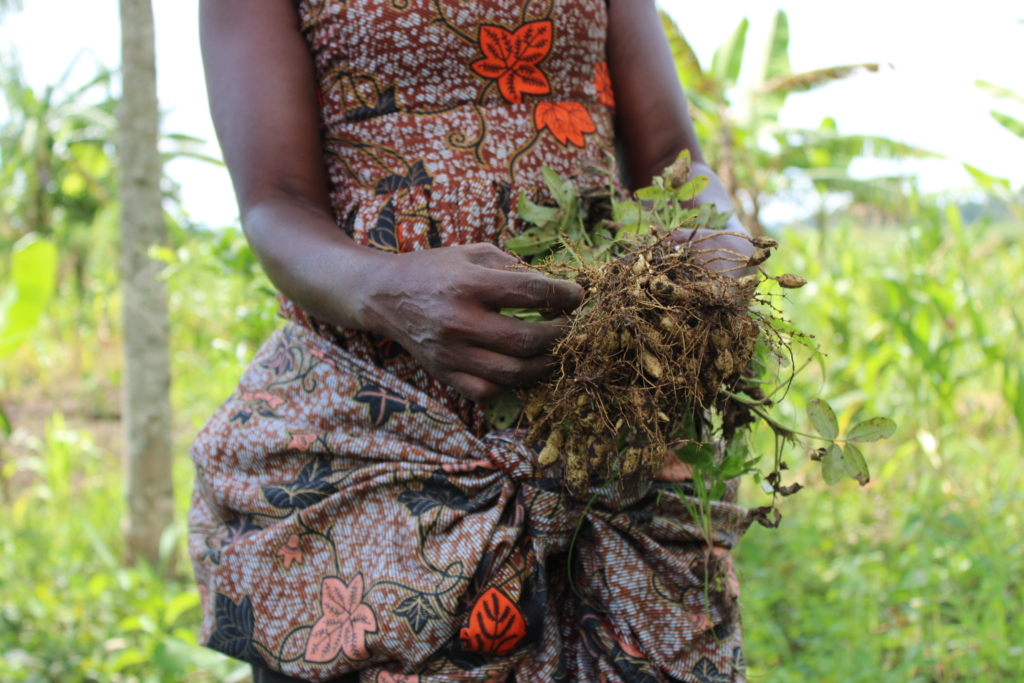
How do you balance conveying the severity of climate and environmental problem with inspiring hope and action in your photography?

Thankfully, I have mostly focused on solutions based stories with themes of hope and community/individual resilience. I believe it is important to convey the severity of the status quo with photography, and there is also a need for hopeful and inspiring stories. 

Can you share a success story where your storytelling efforts led to positive change or increased awareness?

I can’t speak confidently to any positive change my storytelling efforts have had but in 2023 I was exhibited in the Guggenheim Musuem through The World Around Young Climate Prize and having such a global and diverse audience for my work was flattering and inspiring.

Additionally, through my fellowship with Girl Rising I got to work on different stories such as that of Mercy Wanjiku in Nanyuki region, allowing me to document and broadcast grassroots efforts in the climate fight. Creating a media portfolio for them which could aid in funding and scaling.

What advice do you have for others looking to use documentary photography as a tool for climate and environmental advocacy?

Just get out there and practice/start. The path appears as you start to walk down it. If this is something that resonates with you, I encourage you to embrace it actively and wholeheartedly as photography is an excellent tool for documentation and creative expression. 

Aida Namukose,

Eco-Feminist

Photographer

Link to portfolio

How do you navigate communicating complex concepts like climate change in a way that resonates with a broad audience using photography?

 I believe that connecting and truly resonating with the people/landscapes one is planning to photograph is a good start. That way, you can bring out their own unique story and experience with climate change that will resonate with audiences as rich and authentic.

What role do diverse voices and perspectives play in effective communication of environmental issues?

Diverse voices and perspectives are necessary for creating a holistic and broad picture of environmental issues. Environmental issues can be approached from many different angles and lenses; financial, indigenous, agricultural, spiritual etc. In order to capture all these layers we need different people from different places with varying worldviews all engaged in storytelling.

How do you personally cope with the emotional toll of engaging with diverse environmental challenges in your storytelling?

Honestly, I am unfortunately accustomed to the status quo of society and how women tend to carry extra burdens with social issues. So it’s not shocking to me, though it can be disheartening to interact upclose with these problems and not have the capacity to fix them immediately. As a storyteller, we have to make peace with the fact that our contribution is that of our art, and it counts for something.

Additionally, I try to approach my creative work with a spirit of radical hope and belief that this world can change for the better. Believing that what I do helps shape a more inclusive and informed continent, despite the environmental challenges that are currently upfront.

What advice do you have for young people who want to venture into environmental and climate change advocacy using documentary photography?

(for fear of repeating myself), just get out there and start. With whatever equipment and stories you have access to, try it out and grow as you go. YouTube is an amazing resource for any knowledge gaps you might face. I think documentary photography is a worthwhile and important path for environmental and climate change advocacy (though I’m biased) and would be happy to see more African youth joining the train and becoming creative advocates.
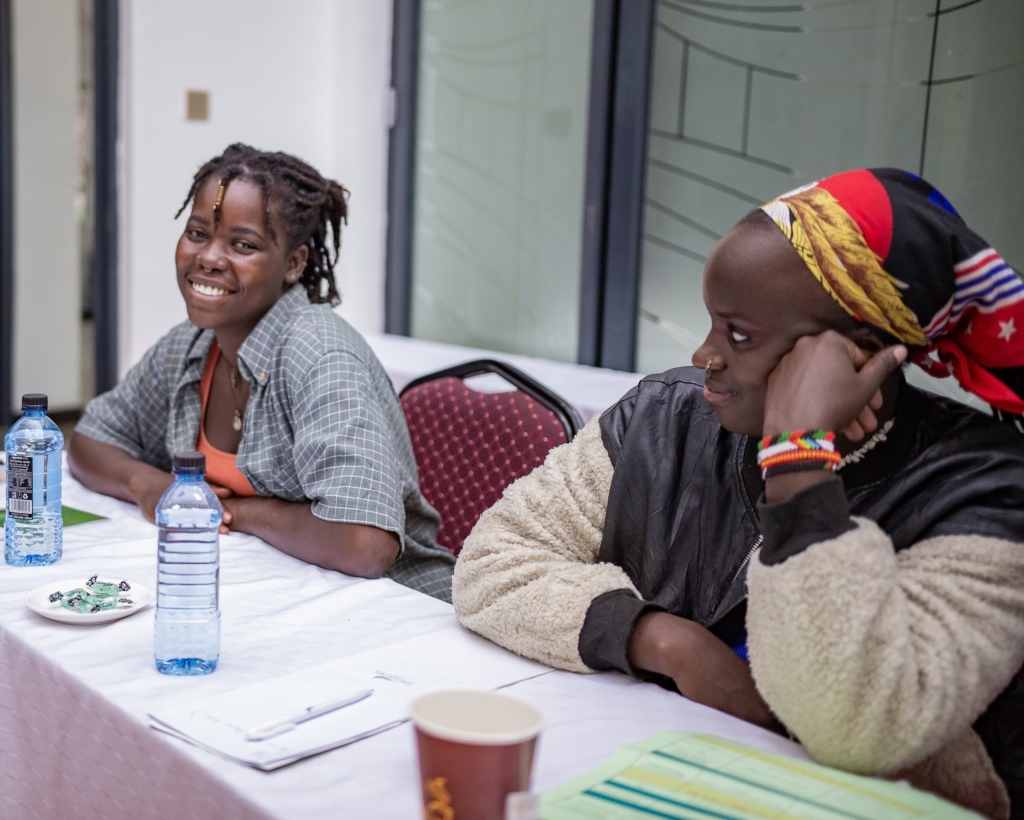
Aida Namukose, Eco-Feminist Photographer

We hope you enjoyed this piece.

If you will like to be featured as one of our Climate Storyteller’s of the month? Kindly use this link to indicate interest or share with friends who qualify: African Climate Stories – Storyteller of the Month.
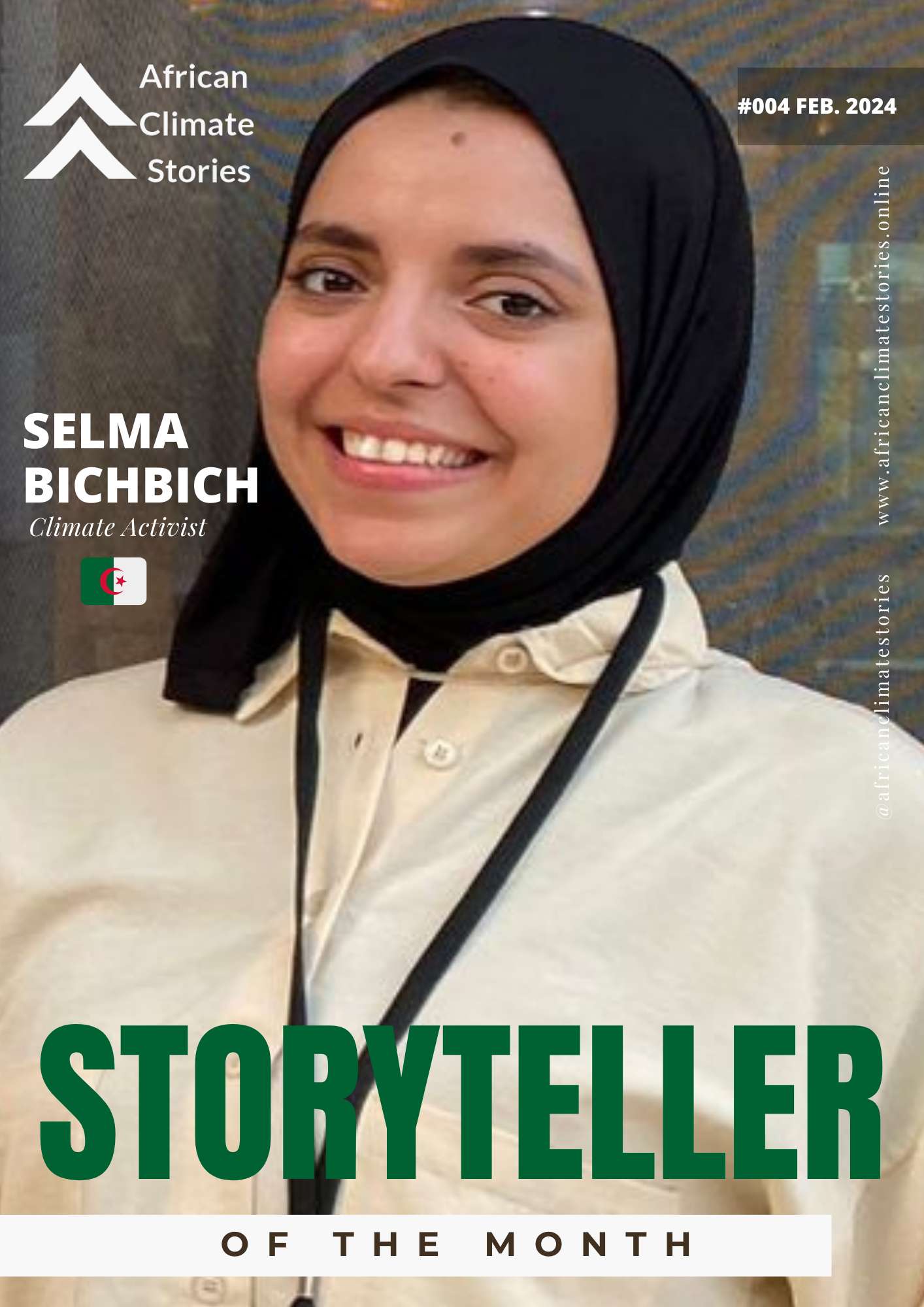
Storyteller of the Month - Q&A with Selma Bichbich

Selma Bichbich - African Climate Storyteller of the Month.

Our climate storyteller of the month, Selma Bichbich is a passionate social and climate activist from Algeria. She is the founder of a national NGO called “Together for Blue and Green,” which is dedicated to environmental conservation and sustainable practices. She is also the co-founder of the esteemed regional network, “MENA Youth Network,” which fosters collaboration and knowledge exchange within the MENA region.

Selma’s commitment to environmental causes extends beyond her national and regional involvement. She serves as the Focal Point of the environment and human rights thematic group at the Major Group for Children and Youth (MGCY), where she advocates for the intersection of environmental protection and human rights issues. Ms. Bichbich holds a pivotal position as a board member at “ProVeg,” an organization focused on promoting plant-based diets and sustainable food systems. She is also the project coordinator of the “MENA Coalition for Peace and Security,” where she works toward regional stability through environmental awareness and peace-building initiatives.

She was funded by UNEP to represent Algeria and the North African region at the SAICAM IP4.2 conference in Nairobi, Kenya, at the conference, she was able to address the devastating impact of chemicals in countries like Algeria, which has a long-standing issue with a contaminated valley since colonization, and highlighted the tragic explosion in Beirut, Lebanon, caused by unstudied chemicals.

As an event organizer, Selma has achieved remarkable outcomes, through organizing the successful inaugural edition of the “MENA Youth Environmental Assembly ” in collaboration with YOUNGO and MGCY, supported by the Swedish Institute’s funding. This assembly served as a vital platform for young environmental activists from countries of wars and crises in the MENA region to come together, share ideas, and advocate for impactful change.

Currently, Selma is spearheading an essential campaign at the AUB to ban plastic bottle usage within the campus premises, in her vision, the university will provide sustainable alternatives through water fountains, thereby reducing plastic waste and promoting a more environmentally friendly campus environment. Selma’s ultimate goal is to transform this campaign into a university policy, ensuring lasting change and sustainability.

Recognizing the importance of broadening her perspective and knowledge on climate issues, Selma has decided to pursue an internship with the “FLC Climate Justice Internship.”, aiming to deepen her understanding of addressing climate challenges through a filicidal perspective and learn innovative ways to connect these issues with her local community in Algeria.

What personal experiences sparked your passion for climate activism?
My journey into climate activism was ignited by witnessing the direct impacts of environmental degradation in my home country, Algeria. The moment that stands out for me was seeing the consequences of the contaminated valley, a lingering issue since colonization. This not only showed the environmental damage but also highlighted the interconnectedness of human rights and environmental health. My dedication is further fueled by the broader challenges faced by the MENA region, from water scarcity to the aftermath of environmental disasters, like the Beirut explosion. Let alone, the inspiring work that my grandparents have taught me through their green farming eco-friendly style and practices.

Selma Bichbich from Algeria

African Climate Storyteller Selma Bichbich

How do you believe storytelling can effectively communicate the urgency of climate change?
I believe storytelling is a powerful tool to convey the urgency of climate change because it humanizes the abstract and often overwhelming data surrounding this issue. Stories can bridge the gap between knowledge and emotion, compelling people to act by connecting them personally to the cause. In fact currently I am also leading a project where I do showcase stories of different youth female climate activists from the MENA region with Girls Rising.

Can you share a specific moment where you witnessed the impact of climate change, inspiring your commitment to advocacy?

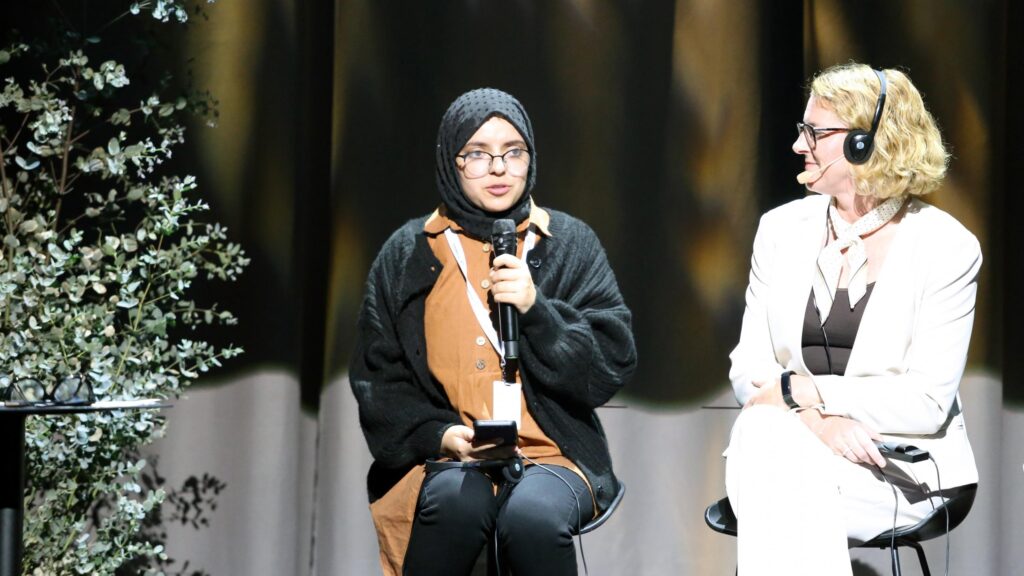
An especially poignant moment that deepened my commitment to climate activism occurred during my participation in COP28. There, I had the privilege of speaking out on the intersection of justice, climate change, and conflicts, with a particular focus on the injustices occurring in Palestine. The opportunity to moderate a significant side event was a highlight for me. This event brought to the forefront the profound impacts of conflict on the environment and the formidable challenges faced by youth advocates striving for change in such conditions. It was an emotional experience, not only due to the gravity of the subjects discussed but also because of the shared determination and resilience demonstrated by participants. This occasion underscored the critical need for global cooperation in addressing the environmental consequences of conflict and the importance of supporting youth-led initiatives in these efforts.

Selma Bichbich - African Climate Stories

Selma Bichbich at COP27 World Bank meeting

For those looking to use storytelling in climate advocacy, my advice is to start with personal experiences or local stories. These narratives can be incredibly powerful in illustrating the broader climate crisis. It’s also important to be authentic and factual, ensuring your stories resonate and motivate.

Selma Bichbich
CLimate activist from Algeria
What storytelling techniques do you find most impactful in engaging your audience on climate issues?

To engage audiences effectively on climate issues, I rely on a mix of personal narratives, visual storytelling, and data-driven storytelling. Personal stories create a connection, visuals leave a lasting impact, and data provides the credibility and urgency needed to inspire action, particularly when you link it back to specific movements, struggles, and to you as an activist trying to just leave something to your community.

How do you balance conveying the severity of climate change with inspiring hope and action in your stories?
In my storytelling, I aim to strike a balance by presenting the stark realities of climate change while emphasizing actionable solutions and showcasing examples of successful environmental stewardship. This approach ensures that the narrative remains hopeful and empowering.

Selma Bichbich on African Climate Stories

Selma Bichbich at IOM Forum

Can you share a success story where your storytelling efforts led to positive change or increased awareness?

A particularly significant achievement was the launch of the inaugural MENA Youth Environmental Assembly. In this event, we not only utilized storytelling to spotlight the environmental challenges and the resilience of youth in conflict-affected areas, but we were also able to directly support positive change by sponsoring five green projects across the MENA region. This was made possible through the generous financial backing of the Swedish Institute and Peace First. Additionally, my organization, Together for Blue and Green, took a pivotal role by hosting the first edition of the Local Conference of Youth (LCOY) in Algeria. This milestone event not only amplified our contributions to the environmental movement but also established us as a leading collaborator at the MENA Regional Conference of Youth (RCOY).
The assembly and these subsequent initiatives fostered a profound sense of unity and determination, driving increased awareness and catalyzing collective action within the region. The success of these efforts reflects the power of collaborative engagement and the vital role of youth leadership in the global fight against climate change.

What advice do you have for others looking to use storytelling as a tool for climate advocacy?

For those looking to use storytelling in climate advocacy, my advice is to start with personal experiences or local stories. These narratives can be incredibly powerful in illustrating the broader climate crisis. It’s also important to be authentic and factual, ensuring your stories resonate and motivate.

Selma Bichbich at Stockholm+50 conference

Selma Bichbich at Stockholm+50 conference

How do you navigate communicating complex scientific concepts in a way that resonates with a broad audience?
Navigating complex scientific concepts involves simplifying information without losing its essence. Using metaphors, analogies, and relatable examples can make these concepts accessible and engaging to a broad audience, please always keep a note of simplifying the terms as much as you can after all activism work is about having everyone involved and we want to ensure that it is a place for everyone to contribute.

What role do diverse voices and perspectives play in effective climate storytelling and how do you personally cope with the emotional toll of engaging with the challenges posed by climate change in your storytelling?
Diverse voices and perspectives are crucial in climate storytelling. They enrich the narrative by bringing in a range of experiences and solutions, highlighting the global nature of the crisis while respecting local contexts and knowledge, and the best part is having diversity in region, gender, culture, and perspectives.
Coping with Emotional Toll The emotional toll of climate change storytelling is significant. I cope by focusing on the positive impact of my work, connecting with a supportive community, and engaging in self-care practices. It’s important to find balance and remain hopeful.

Selma Bichbich - climate activist

What advice do you have for young people who want to venture into environmental and climate change storytelling?

To all the young, vibrant souls eager to make a difference through environmental and climate storytelling, let your curiosity be your compass and your diligence your map. Dive deep into research, immerse yourself in the heart of your community, and let the fire of your passion ignite a collective movement. Each story you tell is a beacon of hope, a call to arms in the noble quest to safeguard our planet.
Your voice is not just important, but essential…
Stand tall, speak loudly, and let the power of your narratives inspire action, transform hearts, and mobilize a global community. This is your moment. Embrace it with all the fervor and emotion you possess, for together, we can and will make a difference. AND PLEASE NEVER be embarrassed of your country’s challenges and struggles never be ashamed of what you have to address no matter how painful it is, because it is and we are all in this together but that what we call fight back…call to action and just ACTIVISM DUTY!

We hope you enjoyed this piece.

If you will like to be featured as one of our Climate Storyteller’s of the month? Kindly use this link to indicate interest or share with friends who qualify: African Climate Stories – Storyteller of the Month.
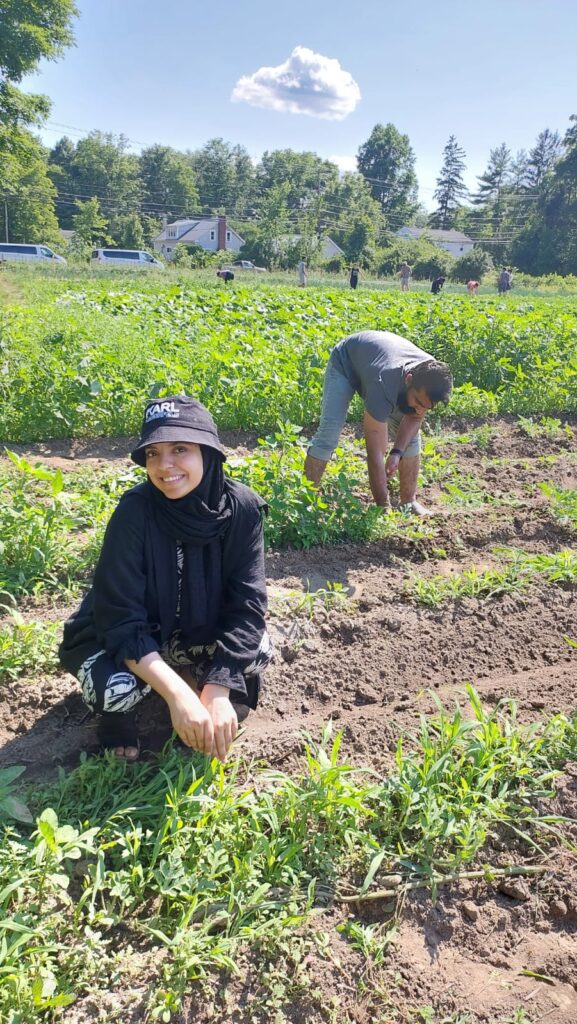
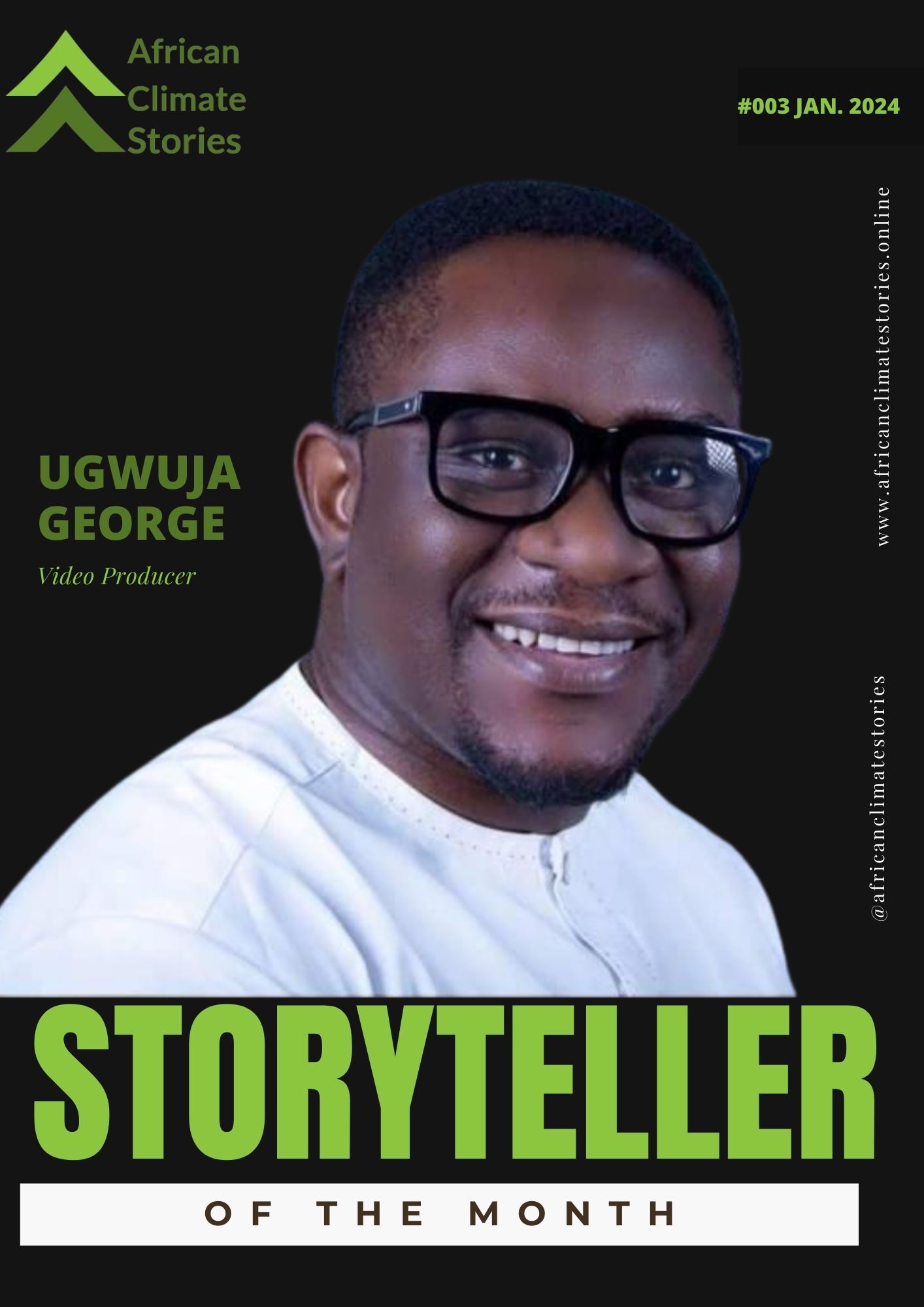
Storyteller of the Month - Q&A with Ugwuja George

Ugwuja George - African Climate Stories

[vc_row][vc_column][vc_column_text css_animation=”fadeInUp”]

As we launch into the new year and continue to showcase the works of diverse multimedia storyteller using their skills to drive environmental and climate action, we are super excited to meet the African Climate Storyteller of the Month of January 2024.  

Meet George Ugwuja, a Nigerian documentary filmmaker, video content creator and founder of Capital Power Multimedia 

Tell us what you do George:

I am a gifted filmmaker and video creator who has dedicated my creative talents to the powerful cause  of humanity. In the last 17 years, I have built my passion for storytelling and a deep commitment to  raising awareness about the SDGs, starting from my active participation as a volunteer content  contributor to UNICEF Voices of Youth blog. Ever since then, I have worked in partnership with INGOS to  drive positive change through storytelling. 


My journey as a documentary film and video creator of environmental advocacy stories began with a  profound realization of the urgent need to address environmental challenges arguing that since The SDG  framework has a total of 17 goals, 169 targets and 244 indicators— 93 of which are environment related which measures the most pressing issues facing the planet, including the interactions between topics. Drawing inspiration from the beauty of nature and the pressing need to protect it, I set out to use my creative skills to shed light on environmental issues that often go unnoticed. 

In 2019, I brought a team of media professionals together and launched Capital Power Multimedia, A full-fledged content creation agency that has helped to  propagate my passion for the environment by working with NGOs, Government and the Private sector  to produce compelling documentary films and videos that capture the essence of environmental  advocacy, weaving together narratives that evoke empathy, provoke thought, and inspire action.  

In 2019 I partnered with WASTE Africa and Coca-Cola foundation to document the ‘protect 10,000  initiative’ which empowered 10,000 member- informal sector waste pickers and vulnerable groups  dependent on waste for their livelihoods. This advocacy production attracted more attention to waste  pickers and generated donation from international organizations including the Schwizerischi  Eidgnosseschaft Schweizerische Eidgenossenschaft, Confédération suisse, Confederazione Svizzera, and Confederaziun svizra.

I was later also consulted by the UN-REDD Programme to lead the field team that  traveled to cross river to document the success story of the Community based forest management in  Nigeria (CBR+ projects- agro forestry + mangrove replanting). This documentary has been premiered in  different countries of the world during UN conferences.

With a keen eye for visual storytelling and a deep understanding of environmental concerns, I have  skillfully crafted narratives that highlight the interconnectedness of humanity and the natural world. My documentaries and videos serve as a poignant reminder of the responsibility we all share in  safeguarding our planet for future generations.

Ugwuja George
Founder, Capital Power Multimedia

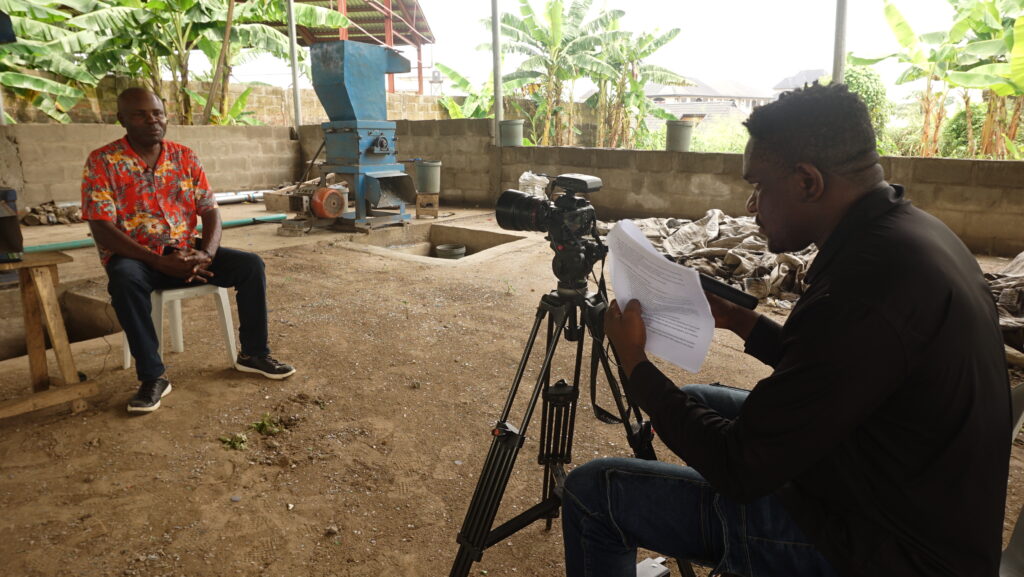
By 2020, I and my team traveled to Bauchi state to document how MEDA and Global Affairs  Canada (GAC) are working together to support women and youth-run businesses in the processing sector and food industry of Bauchi State, Nigeria on how to use environmentally friendly processes to  process food. The project team worked in three main value chains: rice, peanut, and soybean and also  helped women with alternative cooking stoves to save trees and reduce emission. The Federal Ministry of Environment in concert with the World Bank and its partner agencies designed  the Nigeria Erosion and Watershed Management Project (NEWMAP) to address on a multi-dimensional  scale the menace of gully erosion in the south east as well as land degradation in the North. I led a team to visit Gombe and produced this documentary for Gombe State government to showcase their  milestones and to seek for more funding to continue to battle gully erosion. 


I visited Pad-Up creations in Niger State Nigeria to document the success story of green jobs in Nigeria. The Challenge Fund for Youth Employment (CFYE) is a 7-year programme funded by the Netherlands  Ministry of Foreign Affairs. The Fund is managed by the Palladium Group, Randstad and VSO. The Fund  aims to create a prosperous future for 230,000 young women and men in the Middle East, North Africa,  Sahel & West Africa and Horn of Africa. This will be achieved by supporting youth employment initiatives  in these regions. Initiatives will offer youth, particularly young women, opportunities for decent work  that delivers better prospects for personal development. The Nigeria story has been premiered in  international programs causing the donor agencies to map out scale up funding across Africa. 

With a keen eye for visual storytelling and a deep understanding of environmental concerns, I have  skillfully crafted narratives that highlight the interconnectedness of humanity and the natural world. My documentaries and videos serve as a poignant reminder of the responsibility we all share in  safeguarding our planet for future generations. 

As I continue to weave my creative vision into compelling narratives of environmental advocacy, I will remain an inspiring force for change, using the art of filmmaking to amplify the voices of nature and  advocate for a sustainable future. 

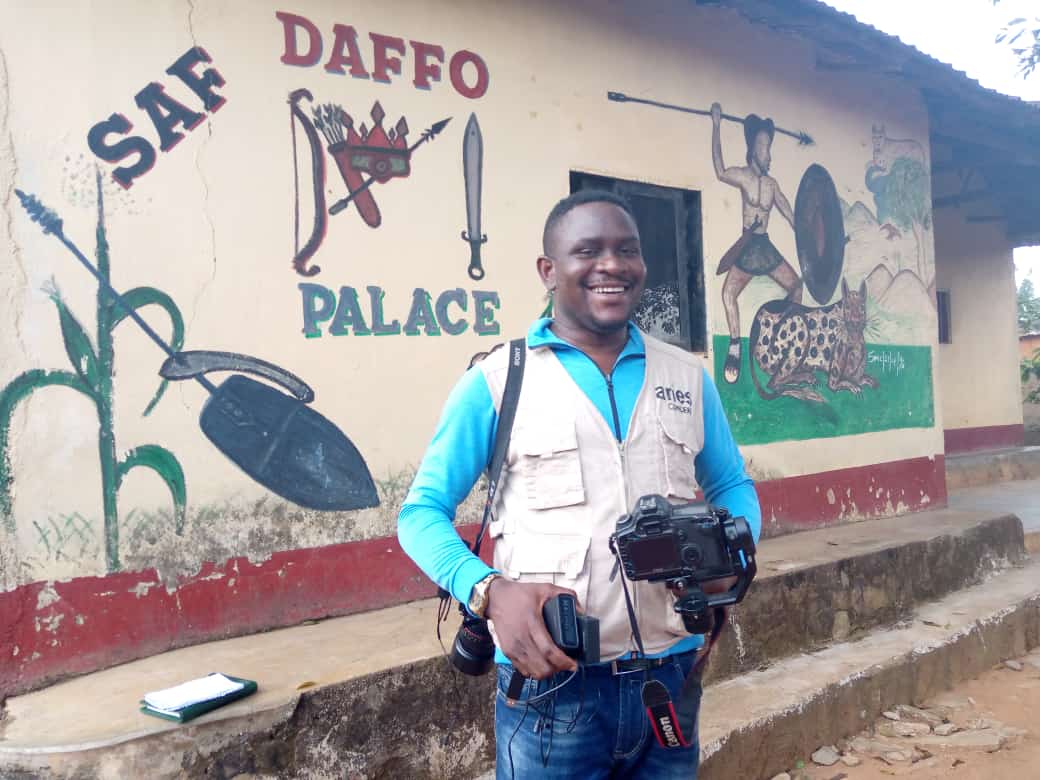
Ugwuja George - CapitalPower Multimedia

So what inspired you to become an environmental advocate through video creation?

 I believe that videos have the ability to engage and  inspire people in a way that other forms of communication may not. Through video creation, I aim to  educate, motivate, and mobilize all relevant stakeholders to take action in support of environmental  conservation and sustainability. I am committed to using my skills to amplify the voices of  environmental advocates and drive positive change for our planet. 


What inspired you to become an environmental advocate through video creation?

During the implementation of the MDGs, before the advent of the SDGs, I was consulted by Office of the Senior Special Assistant to the  President on Millenium Development Goals to visit over 20 states across Nigeria to document the  impact of MDGs interventions in local communities. When I got to remote communities in Bayelsa State,  I saw firsthand, the level of devastation caused by oil spills.  And in the north, I saw how deforestation  has caused severe weather conditions. This firsthand encounter with the environmental challenges and  their effects on local communities inspired a deep sense of responsibility and a desire in me to advocate  for positive change through storytelling. 


How do you believe video content can effectively raise awareness about environmental issues?

Video content can effectively raise awareness about environmental issues by visually showcasing the  impact of these issues on the natural world and communities. Through compelling visuals, video content  can capture the attention of viewers and evoke emotional responses, making the issues more relatable  and urgent. Additionally, video content has the potential to reach a wide audience through various  digital platforms, maximizing its impact and outreach. By presenting solutions, success stories, and calls  to action, video content can inspire and mobilize relevant stakeholders to take positive steps toward  environmental conservation and sustainability. 

What challenges have you faced in conveying complex environmental messages through video, and how have you overcome them?

Conveying complex environmental messages through video has presented several challenges, such as: simplifying complex issues, bringing emotional impact and the right visual representation. Depicting abstract concepts such as climate change or biodiversity loss in a  visually engaging and accurate manner can be a challenge. 

To overcome these challenges, I try to: 

  • Engage with subject matter experts to ensure accuracy and clarity in  conveying complex environmental concepts mostly working with local and international stakeholders  that are trusted with the mandate of environmental protection. 
  • I use personal stories and local examples to make complex issues more  relatable and emotionally impactful for viewers.
  • Use visual aids, infographics, and animations to simplify complex data  and concepts, making them more accessible and engaging for the audience.
  • Offer practical steps that viewers can take to address the issues  presented in the video, empowering them to make a positive impact.

By addressing these challenges through collaboration, personalized storytelling, visual aids, and  actionable content, I am able to effectively convey complex environmental messages through video. 


How do you strike a balance between presenting urgent environmental concerns and providing hope and actionable solutions in your content?

I try to clearly articulate the urgency of environmental concerns by presenting factual  evidence, real-life examples, and expert insights. This helps viewers understand the severity of the  issues. I share stories of individuals and communities that have successfully  implemented solutions or are actively engaged in positive environmental initiatives tp provide hope  and inspiration. 

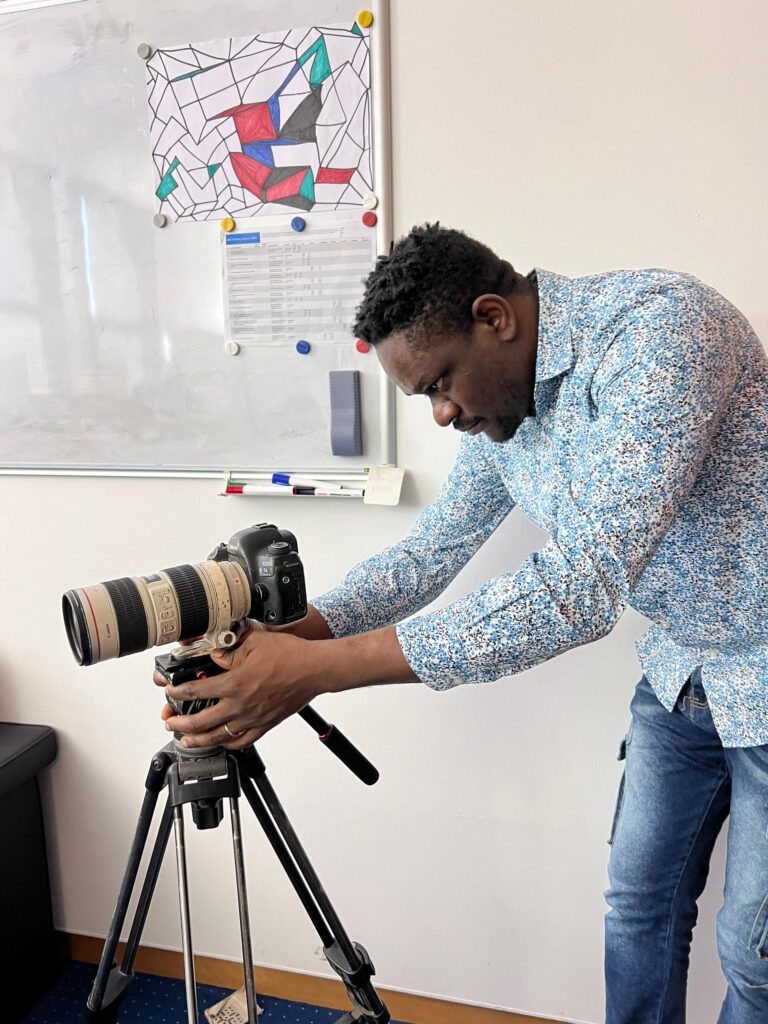
George Ugwuja - CapitalPower Multimedia

Could you share a success story where your video advocacy led to tangible positive change or increased awareness?

My evidence-based advocacy documentary about gully erosion in Gombe state has helped the  government to raise billions of Naira in additional funding and  is currently surmounting gully  erosion in the state. That alone gives me immense joy. 


How do you stay informed about the latest developments in environmental issues to keep your content relevant and impactful?

I stay informed about the latest developments in environmental issues by regularly monitoring  reputable sources such as scientific journals, environmental organizations, and news outlets. I also  engage with experts in the field, attend environmental conferences and workshops, and collaborate  with organizations to access the latest research, data, and best practices. Additionally, I actively seek out  community engagement to understand local environmental concerns and experiences, ensuring that my  content reflects real-world challenges and solutions. This approach allows me to maintain a deep  understanding of current environmental issues, ensuring that my content remains relevant, accurate,  and impactful.


How do you handle criticism or skepticism regarding environmental issues in your videos, and how does it shape your approach?

I try to approach criticism with openness, evidence-based responses, and a commitment to continuous  improvement. I aim to shape a more informed and engaging approach to environmental storytelling in  my videos. 


Are there particular environmental issues that you feel are often overlooked, and how do you address them in your videos?

Plastic pollution is a major environmental problem in Nigeria. Plastic comes from fossil fuels, which we  need to phase out, so using less plastic is important. But ultimately solving the problem of plastic  pollution may come down to improving waste management technology and creating a more circular  economy for plastics. I have been addressing them by telling stories that resolve around the economic  importance of recycling so I can encourage companies to invest in recycling…I do also promote  organizations that implement recycling center interventions to bring more visibility and momentum.

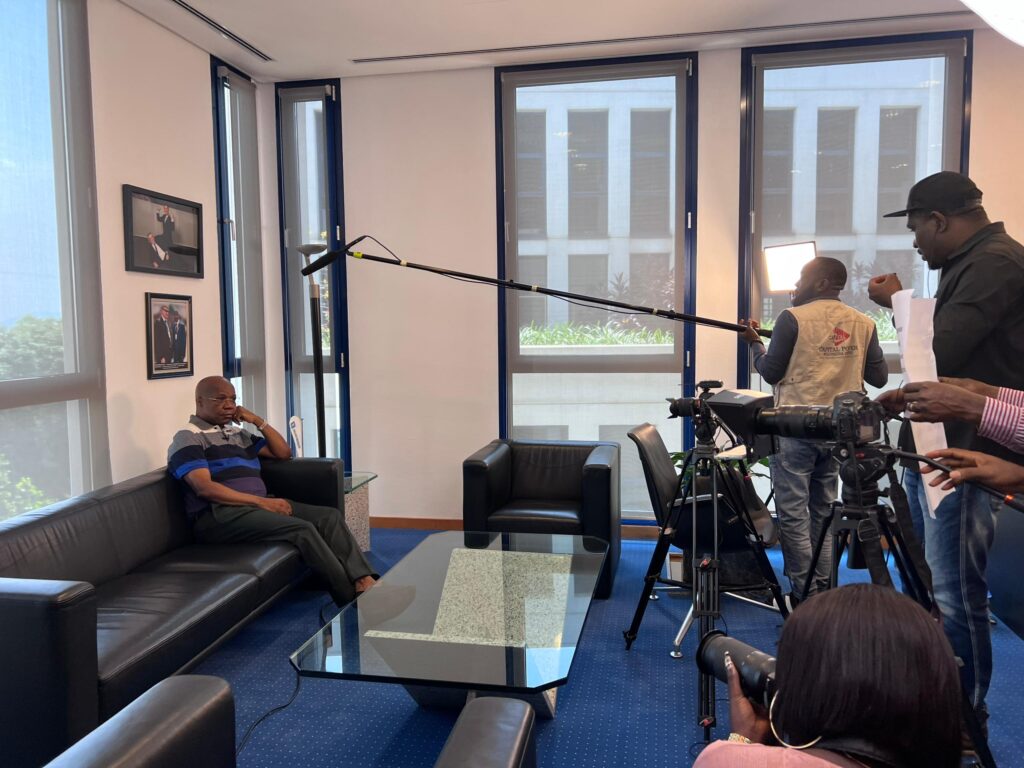
George Ugwuja - Capital Power Multimedia Nigeria

Any advice to upcoming video content creators who want to tell environmental advocacy stories?

For upcoming video content creators who want to tell environmental advocacy stories, here are some  key pieces of advice: 

  1. Take the time to educate yourself about a wide range of environmental issues,  including climate change, biodiversity loss, pollution, and conservation efforts. Stay informed about the  latest developments and research in the field.
  2. Infuse your storytelling with authenticity and genuine passion for  environmental advocacy. Audiences are more likely to connect with content that comes from a place of  sincere commitment.
  3. Build relationships with experts, environmental organizations, and like minded creators to gain insights, access resources, and foster collaboration on impactful projects.

Ugwuja George, CEO Capital Power Multimedia


We hope you enjoyed this piece.

If you will like to be featured as one of our Climate Storyteller’s of the month? Kindly use this link to indicate interest or share with friends who qualify: African Climate Stories – Storyteller of the Month.
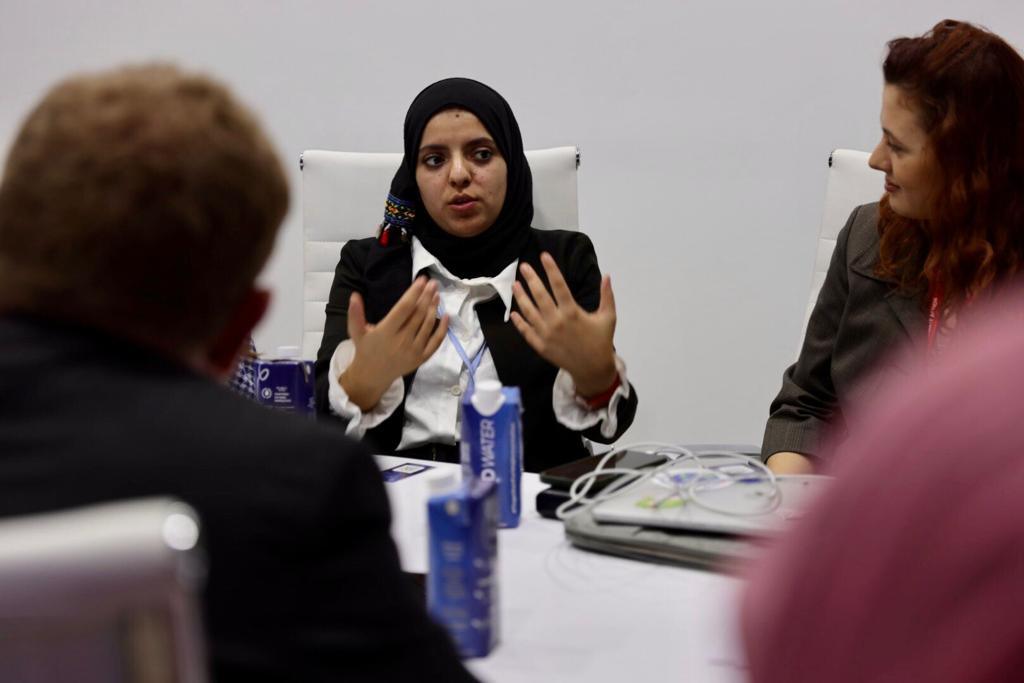
 

Storyteller of the Month - Q&A with Simpa Samson

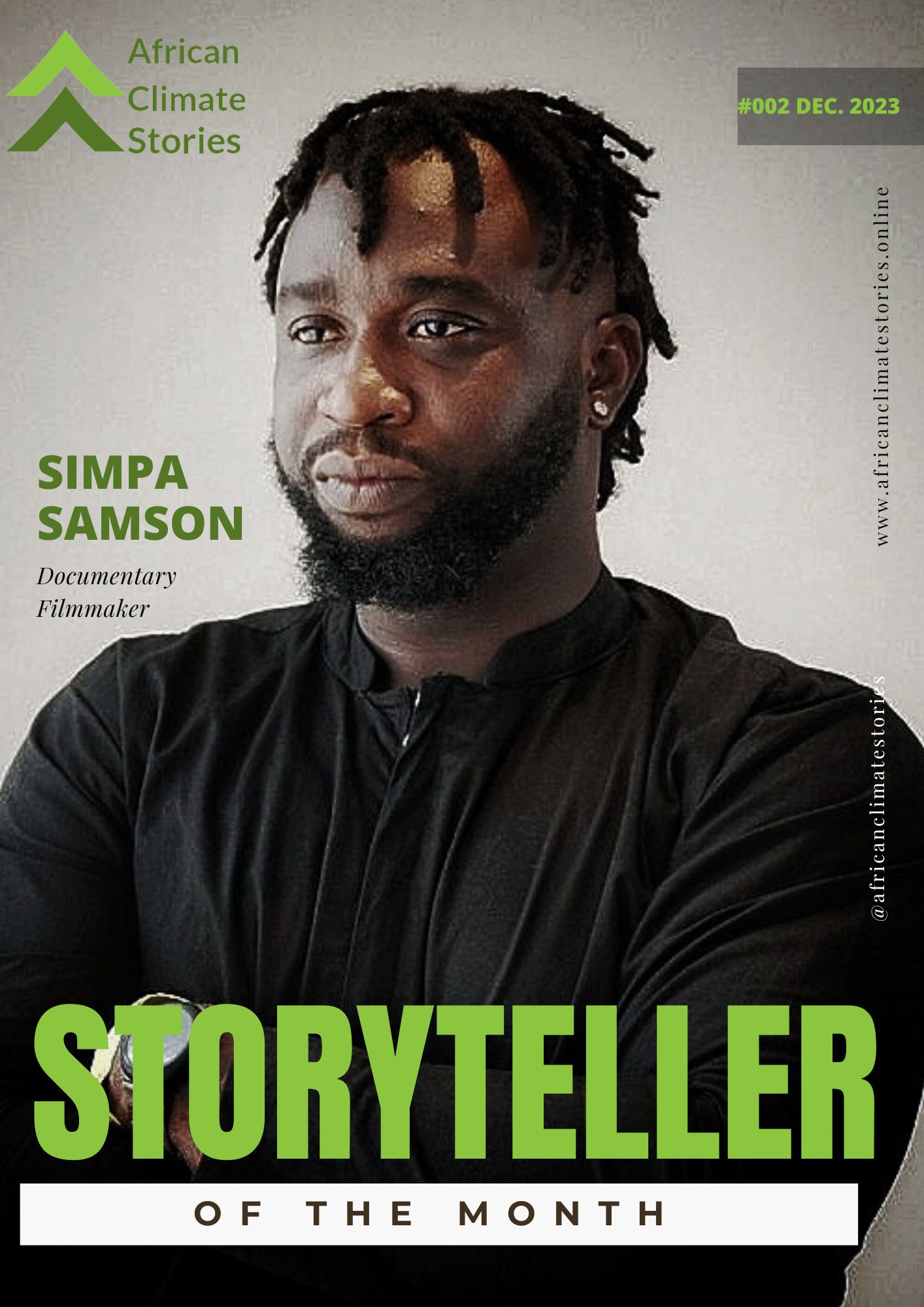
Simpa Samson

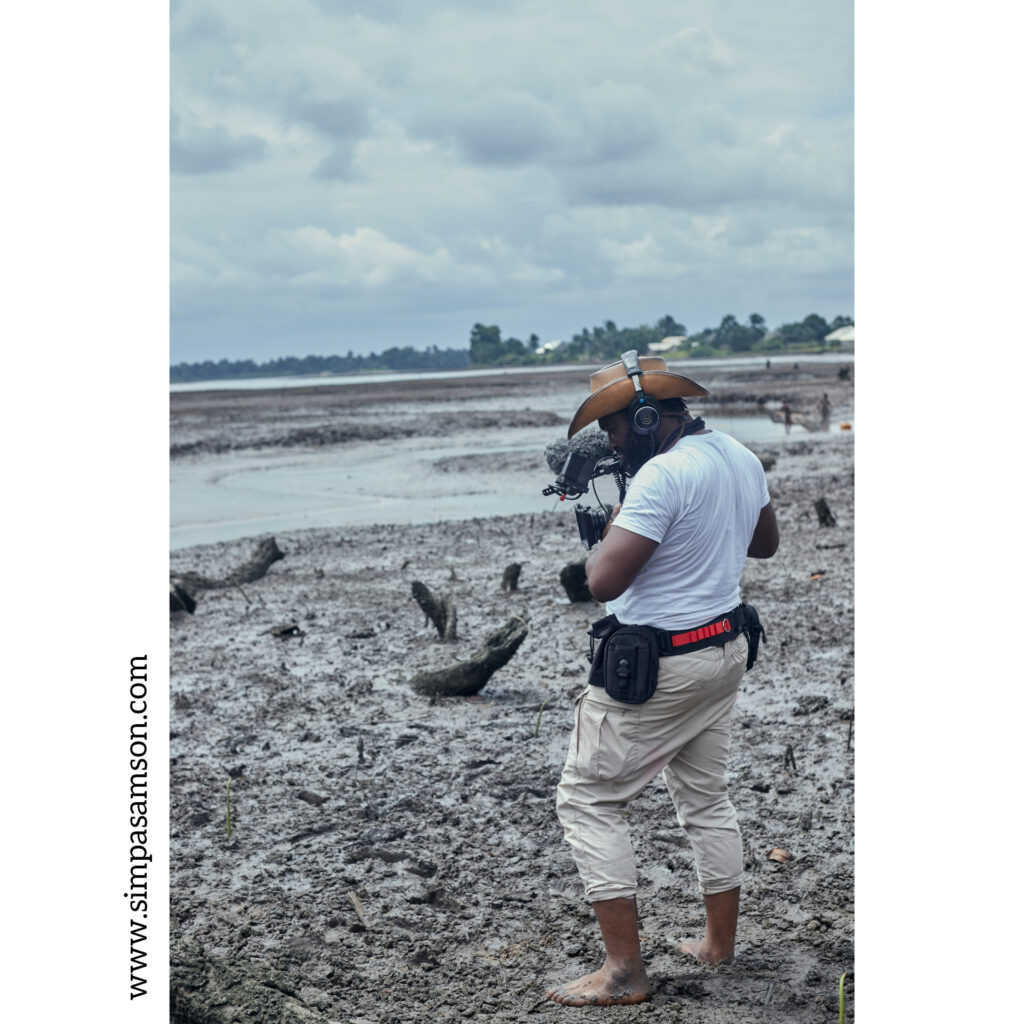
[vc_row][vc_column][vc_column_text css_animation=”fadeInUp”]Simpa Samson is an Emmy Nominated, Cannes World & Morton Frank Award winning DP/Director. His work focuses on international development, health, and human rights, and He has DP Documentary for International Network such as: Bloomberg Original, Vice News, Aljazeera, CNN, Russia Today, Skoll Foundation, Morgan Stanley, Waterbear, RedfishMedia, Deutsche Welle (DW), and International Aid Organisation such as United Nation, Save The Children UK, UNOcha, World Health Organisation, World Food Program, UNICEF Geneva, INTERSOS, F.A.O, among others. Simpa Samson, was known for filming in hostile environments at the beginning of his careers there by making him have vast experience as a War Cameraman. He Operates around Africa and has a wide range of connections with fixers around Africa.
In 2023, Black Snow: Nigeria Oil Catastrophe, a documentary that Simpa DP/Directed for Bloomberg Quick take in the Niger Delta region of Nigeria, got an Emmy Nomination, and also won him and the team a Morton Frank Award organised by Oversea Press Club of America.


Learn More about Simpa Samson in our Storyteller of the Month Spotlight Q&A below.[/vc_column_text][/vc_column][/vc_row][vc_row][vc_column][pt_video video_url=”https://youtu.be/V6Vg4OOMW0Q?si=YgiodPvMamU_fsN3″ video_thumbnail=”45″ height=”375″][/vc_column][/vc_row][vc_row css=”.vc_custom_1527077254000{padding-bottom: 15px !important;}”][vc_column][vc_column_text]

Africa is for us, and we know our culture, land and way of living better than any other person, so it’s really important that we tell a very good story with authenticity and message for the world at large to be able to see and relate.

Simpa Samson
Documentary FILMMAKER
How did you first become involved in animal/wildlife conservation filmmaking?
I became involved in Animal and wildlife After filming in the Niger Delta Region of Nigeria, and I saw what the crude oil that was supposed to be a blessing is now a curse to the land and marine life. And after that, I started looking for a project that I can tell to really draw attention to wildlife and animals. I presently have about three (3) Documentary treatments on wildlife and animals, and hoping I can get them funded and produced soon.
 
What inspired you to use film as a medium to raise awareness about bat conservation issues?
Film has always been the medium I use in expressing myself, and when the opportunity came for me to Direct and Film such a Documentary for Al-Jazeera, I took all the opportunity with both hands. I also have another film called Martha’s Delta which is currently on the Waterbear platform for free viewing.
Can you share a memorable experience or encounter you’ve had while filming in the wild?
One of my memorable experiences is how we were able to survive all the challenges the wild threw at us. During production of Bat Couple, Rain drenched I and the team as we make the 6 hours climb and when we finally got to where we set up camp, we had to dry ourselves and clothes with fire. It was a memorable and interesting experience.
How do you choose the locations for your filming projects, and what criteria do you consider?
I am not limited to location at all, I have filmed in some of the most dangerous places you can think of in Nigeria and some part of Africa, so for location, I can go anywhere, but for story, it has to be a story that will end up impacting life or drawing attention to some certain issues.
What challenges do you face as a wildlife conservation filmmaker, both logistically and emotionally?
I have encountered lots of challenges. Emotionally, it just breaks my heart whenever I see what we humans have done to wildlife. The physical demands of navigating the wild while carrying gears around, The uncontrollable weather, and I have also lost some of my important gear while filming in the wild.
During the production of Bat Couple, we hike over 6 hours climbing Afi Mountain in calabar and during our climb, we didn’t encounter any wild animal, that’s to tell you how much the people have hunted all the wildlife there and drove the rest into migration
Are there specific bat species or conservation issues that you are particularly passionate about featuring in your films?
Personally I am open to telling a lot of conservation issues, from marine and wildlife,  I am not particular about any, I am passionate about all round wildlife issues.
How do you balance the artistic aspects of filmmaking with the goal of conveying important conservation messages?
I have developed myself as a run and gun documentary filmmaker, and I have worked in several situations over and over again that when it comes to being creative, it now comes naturally, so basically during production I concentrate more on the core conversation message.
 
Could you highlight a successful conservation story that you’ve covered in your films and its impact on the environment?

All my conservation Documentaries stories are successful, from films such as: Martha’s Delta, The Black River, Black Snow: Nigeria oil Catastrophe, Bat Couple. And all of them have had a good impact, by making the local Community that we film in know the reason why they should protect nature.

Impacts
For Martha’s Delta, the communities finally see the importance of planting back the mangrove and protecting them from being cut down.
Black Snow: Nigeria Oil Catastrophe, documentary, had a good impact by helping the state government of River finally sees the reason why the cleaning of the Ogoni land needs to be done quick and fast, and also why the modular refinery’s need to be up and running so as to prevent people from untimely death. (The documentary gave I and the Team an Emmy Nomination)
Bat Couple also had a significant impact, as it showed the people of Boki Community the significance of bats to the wild and also how important it is to control bush burning so as to not kill wildlife.
Simpa Samson on African Climate Stories
 
What role do you believe filmmaking plays in influencing public perception and action towards wildlife conservation?
 Filmmakers play a very key role in influencing public perception by showing and going into the heart of the problem and featuring wildlife and their habitats as central characters and settings, filmmaking can help to humanize and personalize the conservation message. This can help to raise awareness and empathy for the plight of endangered species and the importance of protecting their habitats
How do you collaborate with scientists, conservationists, and local communities to ensure the accuracy and effectiveness of your films?
Collaborating with scientist will help filmmaker know and get the exact statistics in a particular case study that they want to do a Documentary on, while collaborating with conservationist will be able to let you know how the animal behaves, what to know about some particular species in question so as to get every information correctly and not deliver a false information to audience that will be watching the film. And for the local communities it is very important to have them collaborate and participate so that they will be able to teach other people and protect the wildlife for a very long time even after the film crew have left the community.
 
Any advice to emerging wildlife conservation storytellers in Africa? 
My advice to emerging wildlife storytellers in Africa is to tell an authentic story however little. Africa is for us, and we know our culture, land and way of living better than any other person, so it’s really important that we tell a very good story with authenticity and message for the world at large to be able to see and relate.


We hope you enjoyed this piece.

If you will like to be featured as one of our Climate Storyteller’s of the month? Kindly use this link to indicate interest or share with friends who qualify: African Climate Stories – Storyteller of the Month.
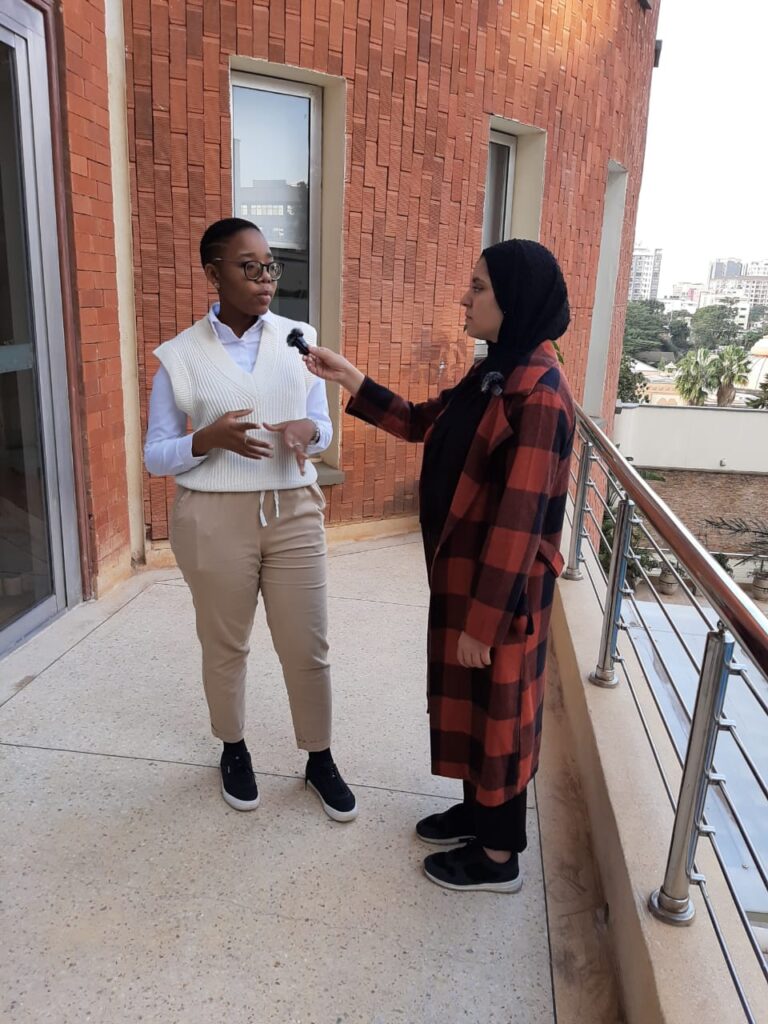
 

[/vc_column_text][/vc_column][/vc_row]

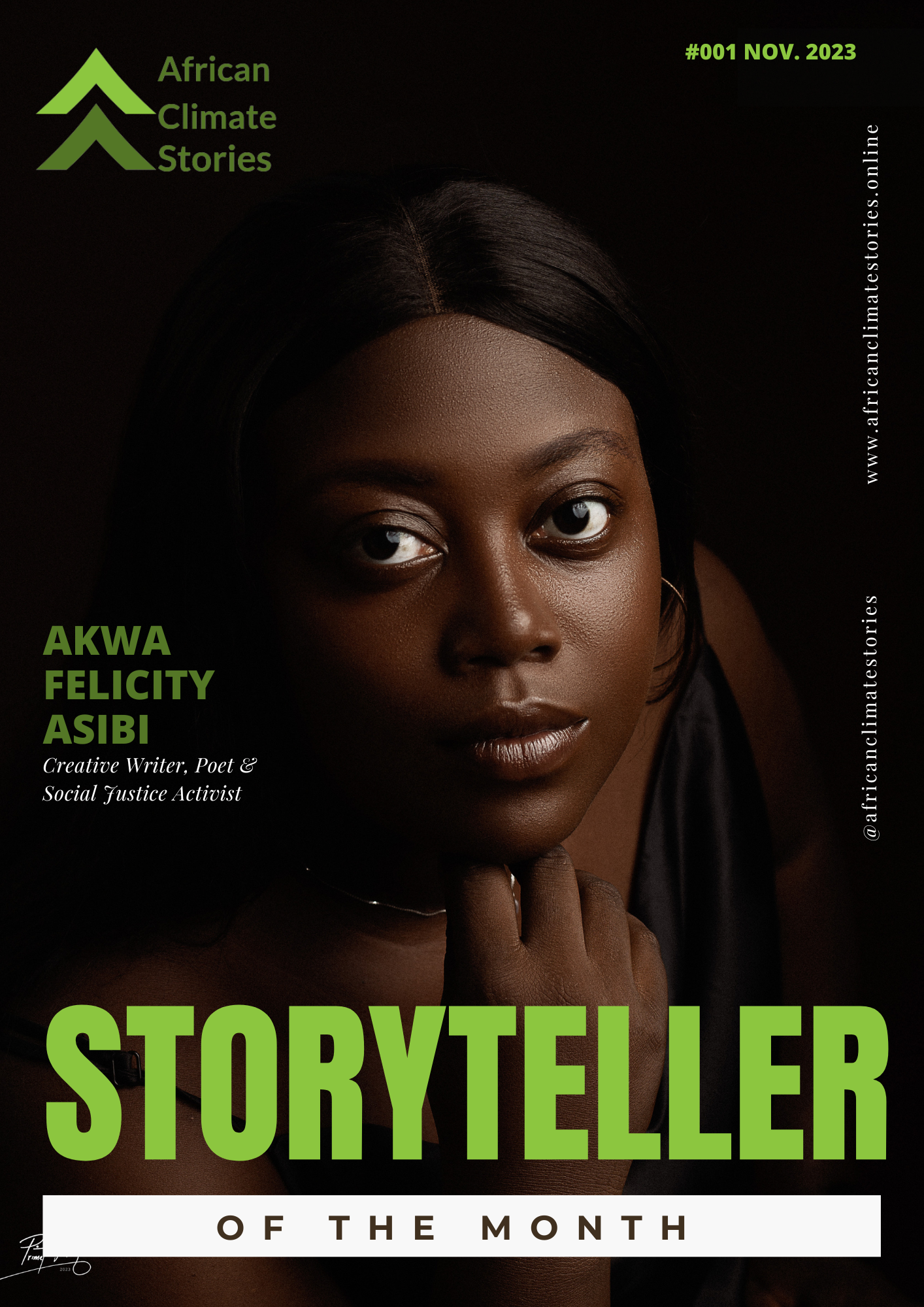
Storyteller of the Month - Q&A with Akwa Felicity Asibi

Akwa Felicity Asibi
November 22, 2023

Creative storytelling makes complex environmental issues relatable, fostering a sense of urgency and personal connection that traditional communication often lacks. This can drive collective awareness and motivate people to take meaningful steps towards addressing climate change. Join us on a journey unveiling passionate individuals telling tales for environmental consciousness using their creative skills and unique styles. Every month, we will be shining a spotlight on individuals who use the power of storytelling to inspire change and drive action towards a sustainable future, with the hope of inspiring more creatives and storytellers to use their arts and works to drive positive action for our environment.

Drum roll…

Celebrating our first climate storyteller of the month: Akwa Felicity Asibi
Stage Name: Asiibii

I would advice aspiring poets to engage with platforms that provide pertinent education or training on environmental issues. No one can pour from an empty cup; therefore, they have to unlearn, learn, and relearn about the environment constantly.

Can you tell us about your background and what inspired you to become an environmental/climate story poet?

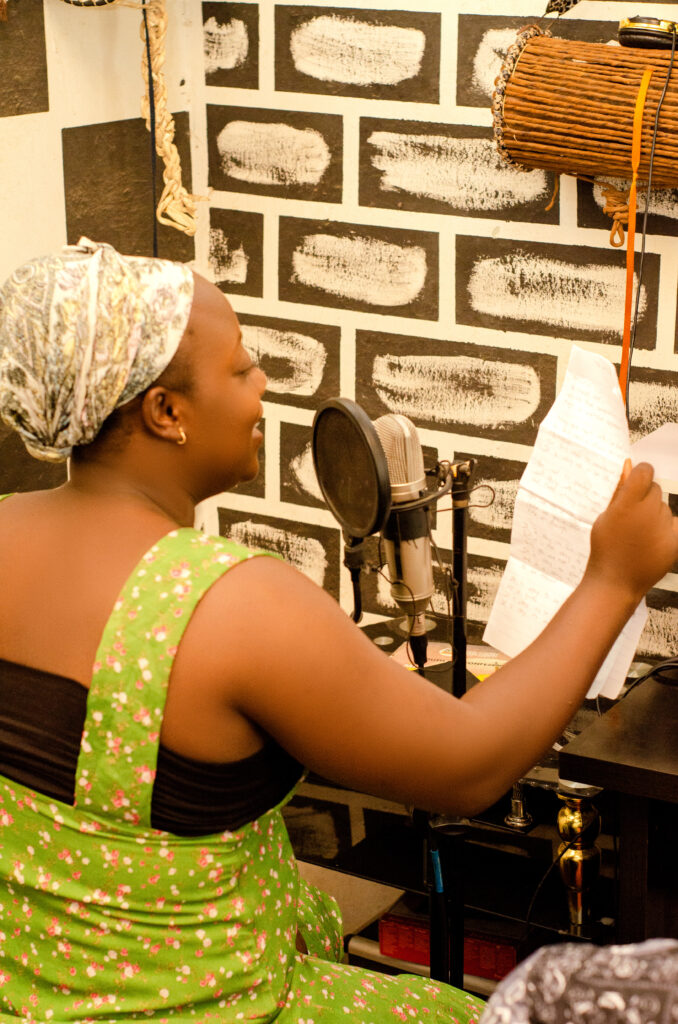
I am a creative writer, social justice activist, and researcher with years’ of experience in administration, creative writing, and data analysis in private and non- profit sectors. I earned a National Innovative Diploma in Computer Hardware Engineering from ECWA International College of Technology in Jos Nigeria, and a Higher National Diploma in Electronics and Telecom Engineering from the Federal Polytechnic Bauchi, Nigeria. I am also the founder of two startup businesses: Sibiscus Coterie Ltd, and Reknuma Foods Processing. I was inspired to be a climate storyteller after my contact with Tearfund Nigeria and Jos Green Centre during a conference in 2019 tagged, ‘The Post-Oil Nigeria’. As a young person who was exposed to the depth of our country’s dependence on oil, and how other communities and countries are developing alternatives around green energy; I was determined to be relevant to Nigeria’s transition towards a green economy. This however was a big vision, so I looked inwards and found out I could as a Poet, engage in climate education/storytelling using my art.

How do you define climate story poetry, and what themes or messages do you aim to convey
through your work?

Climate story poetry is the art of using storytelling and poetry to educate a specific audience
or the general public about the environment, climate change, and how to effectively seek climate
justice. The messages my work aim to convey is encapsulated thus; an awareness that we have an environment we live in and that environment is key to our survival as a people. Furthermore, this environment would thrive or lead us to our doom if we don’t take care of it as we do ourselves.

African Climate Stories: Storyteller of the month

Are there specific environmental or climate issues that deeply resonate with you and influence
your poetry?
Yes, there are. I am most interested in Climate education and waste management.

Could you share some insights into your creative process? How do you go about crafting your
climate-related poems?
My creative process is influenced by the trainings/fellowships/accelerator programs/conferences that I engage myself with. Consequently, the words I need to craft a climate-related poem is influenced by words spoken by an individual, resource – training materials, feedback from discussions, climate-related movies and songs. I may not always quote them verbatim
in my poems, but I find a more passionate way to convey what I’ve heard.

Do you have any favorite poets or literary influences that have shaped your approach to
climate storytelling through poetry?

I have specific poets that have shaped my poetry, but no poets who have shaped my
climate-related poems or storytelling. However, I have organizations such as the Jos Green Centre
and Punchline Poetry Society who continually inspire me through their work and trainings to seek
climate justice using what I have, which is my art.

Can you describe a specific poem or project that holds particular significance to you in the
context of climate change?
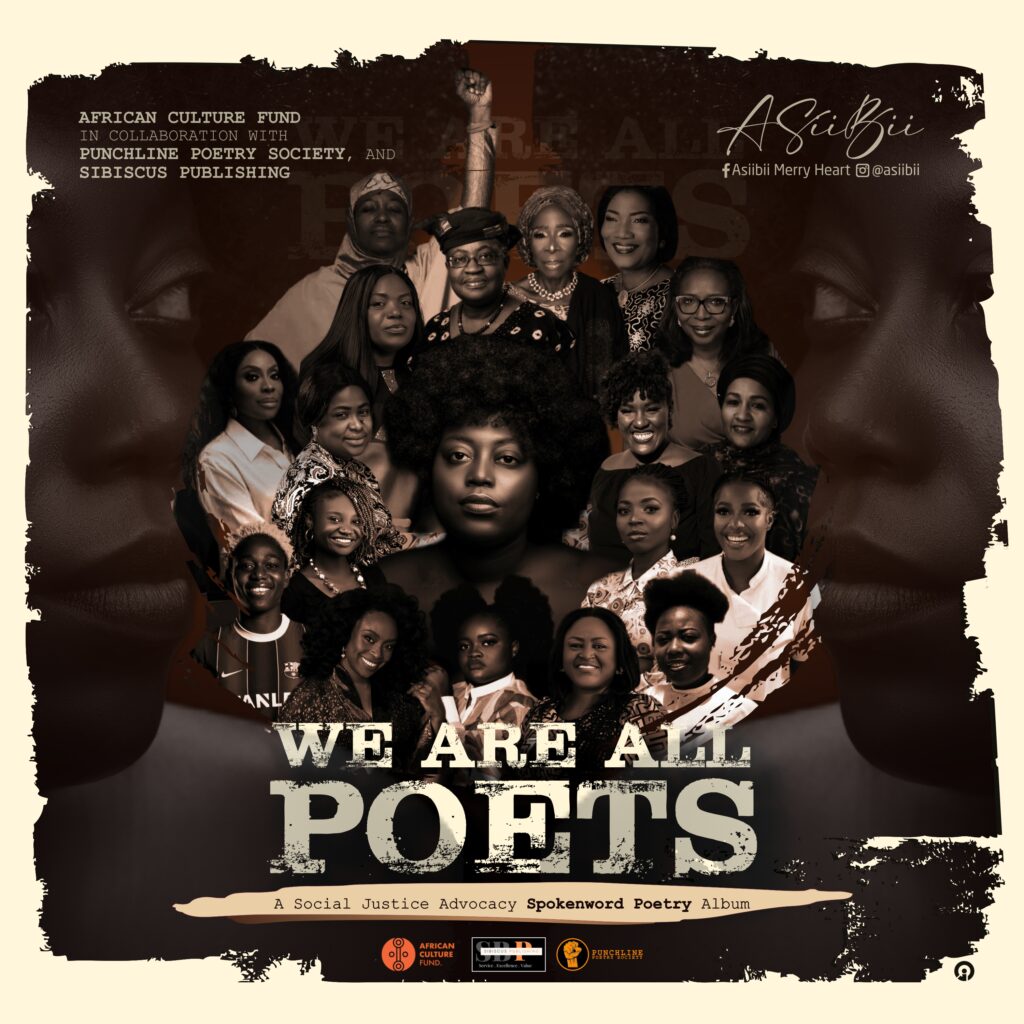
My poem ‘Climate Justice’ is part of a social justice advocacy spoken word album titled,
‘We are all Poets’. This poem holds great significance to me because it achieves the vision of
climate education and proffers relevant solutions to realizing climate justice.

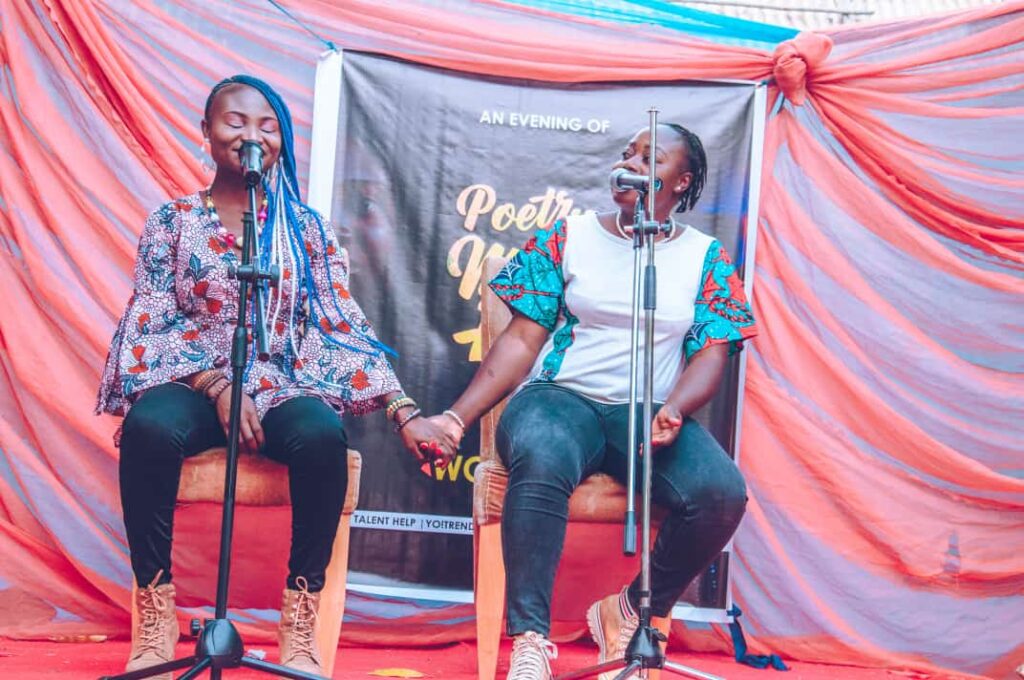
Poetry: Akwa Felicity Asibi

We are all poets by Asiibii

How do you hope your poetry will impact readers and raise awareness about environmental issues?

I am positive that my poetry is positively impacting my audience to know about climate change, and how they can be part of proffering solutions to that. Also, I try to continually engage and partner with platforms and organizations that would give my works better visibility and wider reach.

Are there any events or experiences in your life that have played a significant role in shaping your perspective on climate change and sustainability?
Yes, there are. As aforementioned, the seed of seeking climate justice was sown at the Tearfund’s conference. Subsequently, my volunteerism with the Jos Green Centre and Punchline Poetry Society, engagements with trainings, conferences etc. have played significant roles in shaping my perspective on climate change and sustainability.

Do you collaborate with other artists or organizations to promote climate awareness through your poetry?
Yes, I do. African Culture Fund sponsored the project that housed my poem ‘Climate Justice’. I have received mentorship and training from Jos Green Centre and Punchline Poetry Society; furthermore, I have gained commendations and awards from organizations such as The Environmental Design Studio, The Global Landscape Forum, and of-course; the African Climate Stories.

Storyteller of the month - Akwa Felicity Asibi

What advice would you give to aspiring poets looking to use their art to address environmental concerns?
I would advice aspiring poets to engage with platforms that provide pertinent education or training on environmental issues. No one can pour from an empty cup; therefore, they have to unlearn, learn, and relearn about the environment constantly. Secondly, they have to invest in seeking partnership with individuals, groups, and organizations that would be important drivers and supporters of the message they want to reach their audience.

Could you share some upcoming projects or initiatives you’re involved in related to climate storytelling through poetry?
I am looking forward to doing a tour with my poem ‘Climate Justice’. The primary targets would be educational institutions from primary to tertiary levels. Furthermore, I have sought sponsorship from an organization to fund a climate-project. Though I have not received feedback yet, but I am hopeful it would pull through successfully.

Is there a specific audience or demographic you aim to reach with your poetry, and how do you tailor your work to engage them effectively?
I would say that my poetry has no restrictions as to a specific audience or demographic, nevertheless, I am passionate about reaching the youthful population of the world. I tailor my work using poetry as a tool; that while they are being entertained, they are also simultaneously being educated.

African Climate Storis- storyteller of the month - Akwa Felicity Asibi

What are some challenges you face as a poet, and how do you overcome them in your creative journey?
One of the most difficult challenges I face as a poet is finding the right words to convey my thoughts. With the way the world has advanced, some words are considered ‘offensive’ to some group of people; therefore, having the ability to weave words that break through any and every person and group comes at a price always. And that price is my time, resource, and research capacity which can lead to both physical and mental exhaustion. When I’m able to surmount this particular challenge, every other thing is easier to deal with.

How has your poetry evolved over time in response to the changing climate and environmental landscape?
firstly, I have continually pushed myself to unlearn, learn, and relearn. I have had to take refresher courses to help me develop poetry that align with global environmental trends and discussions. More so, I have also adapted and accepted that the world is forward-moving, and so should be with my poetry.

Can you recommend some of your favorite environmental or climate-related poems that readers might explore to gain a deeper understanding of your work?
I would love to point them to my website, www.sibiscus.org. there, they would find all my works.

We hope you enjoyed this piece.

If you will like to be featured as one of our Climate Storyteller’s of the month? Kindly use this link to indicate interest or share with friends who qualify: African Climate Stories – Storyteller of the Month.