Tag: Climate Activist

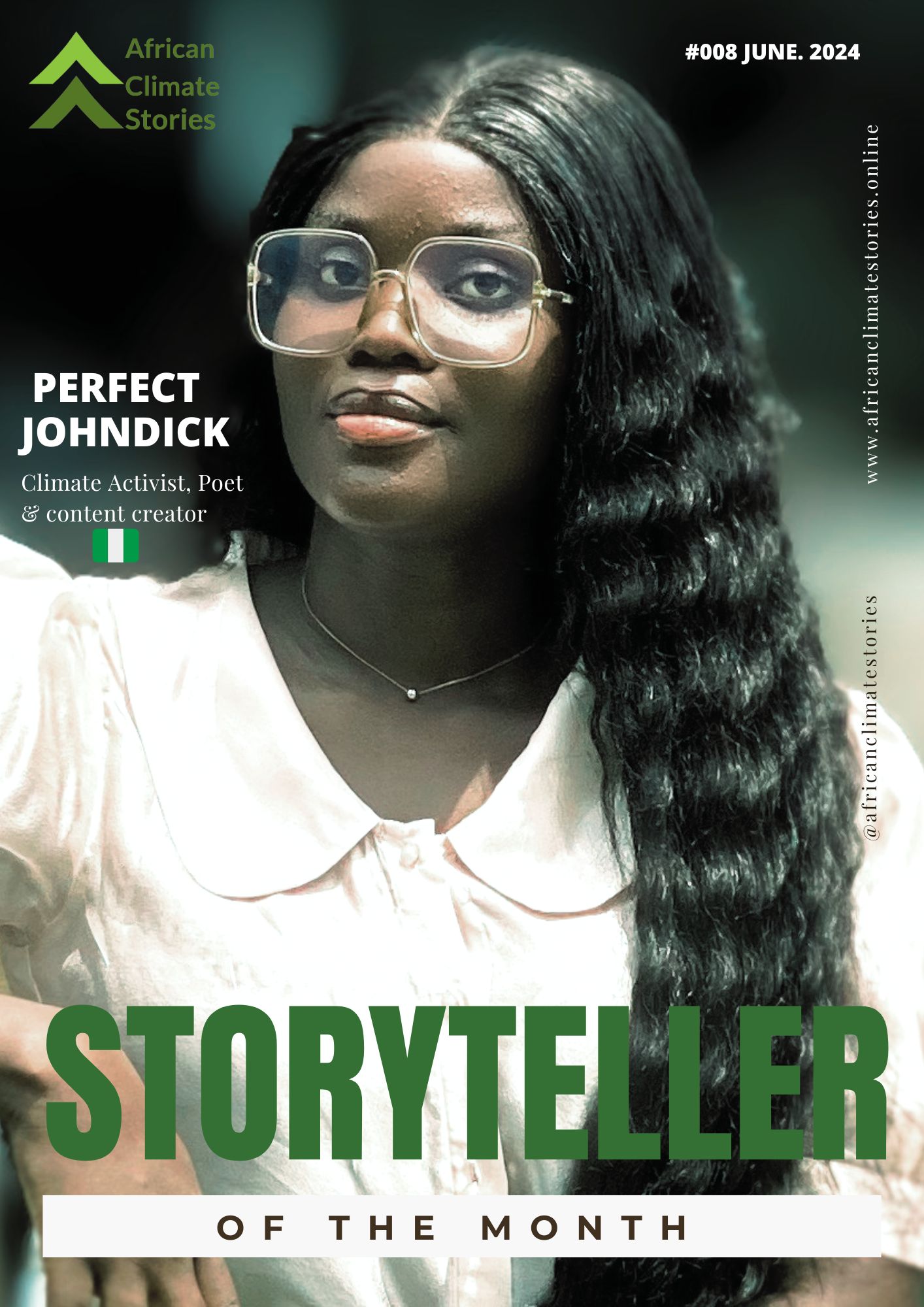
Storyteller of the Month - Q&A with Perfect Johndick Uchawaji

Perfect Johndick Uchawaji - Niger Delta Climate Activist

This month, African Climate Stories features Perfect Johndick Uchawaji, a climate activist, an environmental advocacy content creator, and a 2023 African Climate Stories Fellow. Let’s dive into the inspiring story of this young Nigerian woman who has consistently been a voice to the Niger Delta’s Environmental state.

What personal experiences sparked your passion for climate activism?
As a child, I experienced firsthand the impacts of climate change and environmental hazards ranging from sea level rise, oil pollution, gas flares, polluted waterways, and more. Being the daughter of a clergyman and having to go from one missionary journey to the next in Rivers State, Nigeria, I realized that the issues in the Niger Delta are interconnected, heart wrenching, and profound. Oil spills and gas flares were fixed features in every community we served, and although I thought they were mere eyesores, I started understanding how they have affected standards of living, health, livelihoods, and the environment as I grew up. An example is seeing how fishes were swimming in oil-infested waters and how the sea level rose to our threshold on one of the missions.

When my brother was diagnosed with asthma because of the constant inhalation of gas flare fumes, I became interested in the campaign against extraction and environmental protection to create awareness of the secret enemy so that more people would not be victims. I have volunteered with three initiatives and presently work with We the People, an NGO in the Niger Delta that engages communities, stakeholders, and policymakers in the fight against climate change, nature commodification, and environmental hazards.
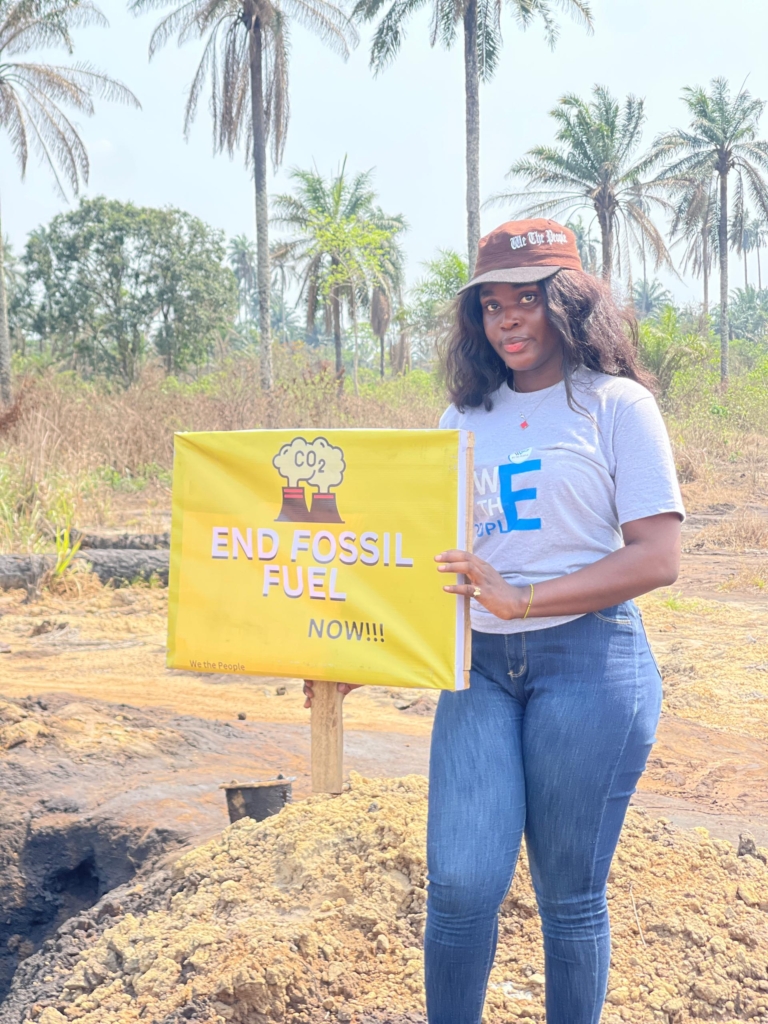
Climate Artivist Perfect Johndick

Being the daughter of a clergyman and having to go from one missionary journey to the next in Rivers State, Nigeria, I realized that the issues in the Niger Delta are interconnected, heart wrenching, and profound. Oil spills and gas flares were fixed features in every community we served, and although I thought they were mere eyesores, I started understanding how they have affected standards of living, health, livelihoods, and the environment as I grew up.

Perfect Johndick
CLIMATE ACTIVIST AND CONTENT CREATOR

How do you believe storytelling has effectively communicated the urgency of climate change and environmental degradation in your community?
I call myself an Artivist realizing that a lot of people are triggered to take action and stand as gatekeepers through storytelling with any form of art. Personal stories from individuals who have directly experienced the impacts of climate change make the issue relatable and urgent. These stories humanize abstract data and statistics, making the consequences of climate change more tangible and inspiring people to take action.

Can you share a specific moment where advocacy efforts that you have been a part of sparked action for climate justice due to speaking out with your stories? 
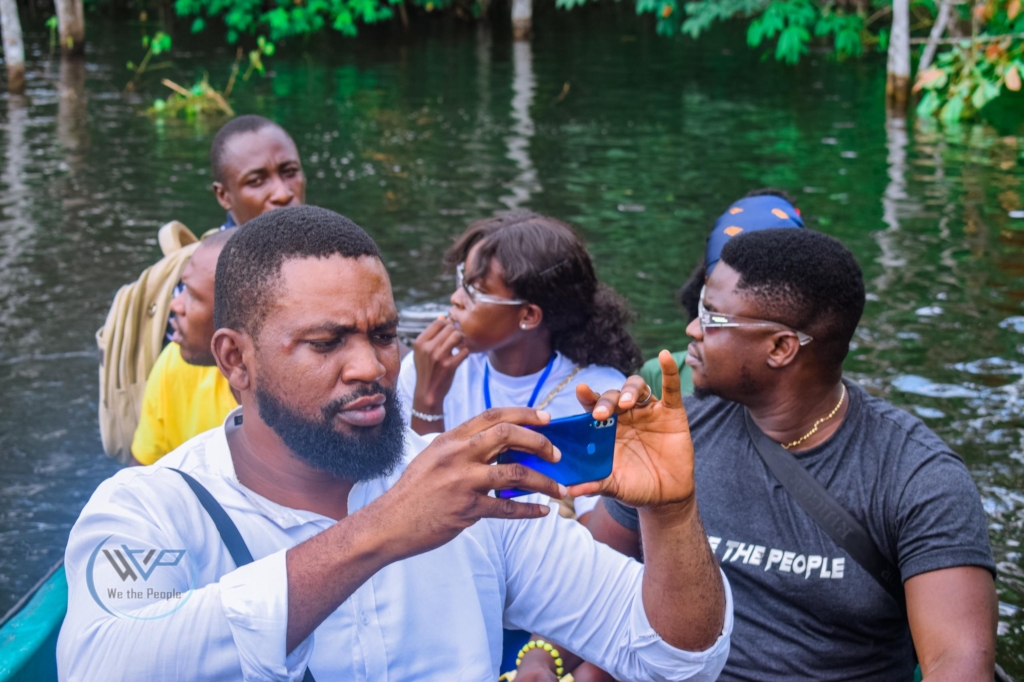
Working with the Centre for Social Studies and Development (We the People), there have been many instances where we got our stories in the broader media, triggering actions for climate justice. My organisation tells stories of communities living with the harsh realities of climate change impacts, and my role in taking pictures and videos is to tell compelling stories. One of the specific moments where we sparked action was our report titled “Nowhere to Go.” This report tells the story of the harsh living conditions of displaced people, especially women and children, during the flood of 2022. Civil societies rallied around the report as they visited the communities and pushed for more campaigns, workshops, and stakeholder meetings against climate change and how to adapt to the changing living conditions.

What storytelling techniques do you find most impactful in engaging your audience on climate issues?
Documentaries and short explainer videos with B-rolls of footage. People tend to believe what they see more than what is written, so even when I want to tell climate stories in a poem, I try to make it visual for more empathy, reactions, and action.

How do you balance conveying the severity of climate change with inspiring hope and action in your stories? 
After telling heartbreaking stories of the harsh realities of climate change impacts, I always emphasize the need to build resilience. My audience always sees the hope factor when I talk about the need to adapt in the face of a changing climate. Also, the call to action gives the audience the belief that the issues can be curbed, therefore leaving them with hope for the future.

What advice do you have for others looking to use storytelling as a tool for climate advocacy?
I will like to say, for starters, let the stories come from the lived realities of people. If you want to use storytelling as a tool for climate advocacy, it involves knowing your audience, platform and tailoring your narrative to resonate with their concerns and values, making personal stories central to humanize the issue. Balance the urgency of climate change with hope by highlighting solutions and positive outcomes, and enhance your message with visuals and multimedia. Connect global issues to local impacts and actions to make them more immediate, and leverage emotion and empathy to deepen engagement. I try to ensure I end with a clear call to action, and incorporate diverse voices to reflect the universal nature of the crisis, to maintain authenticity.
Have there been any significant attention, recognition, or support that you have gotten for telling your environmental stories? 
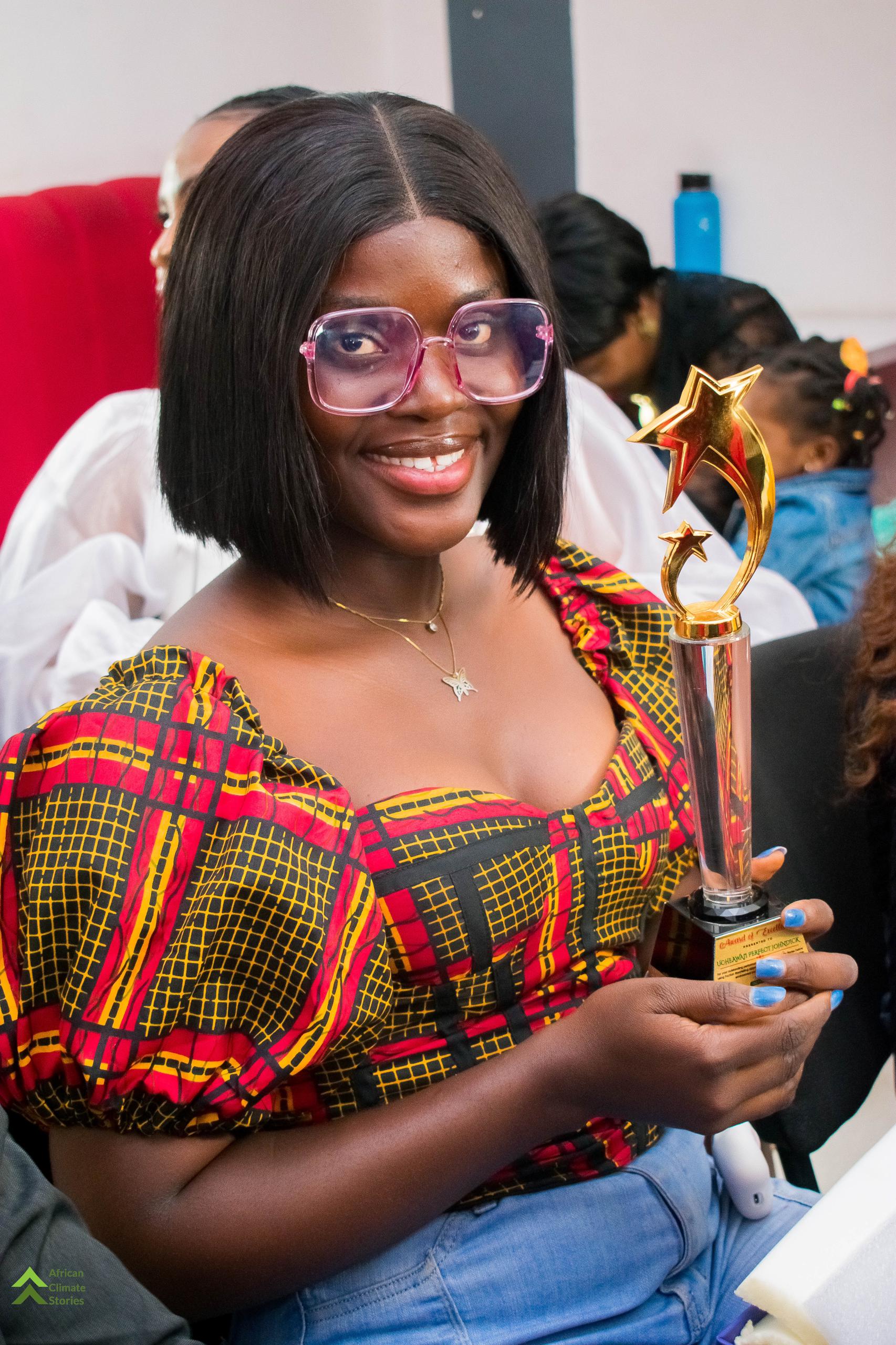
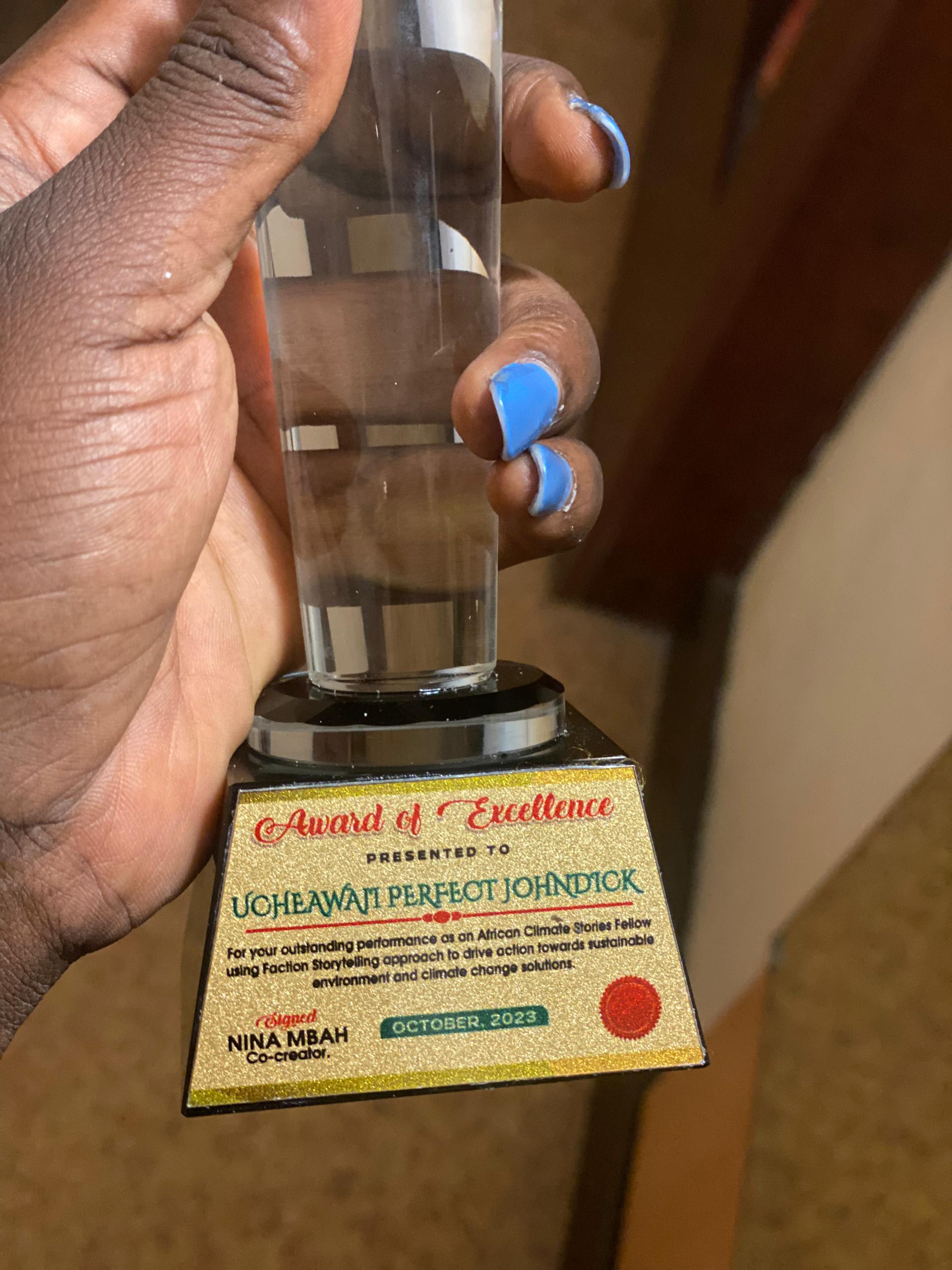
I will start with my most recent award and the support I got from the African Climate Stories Fellowship in October 2023. After a three-month fellowship program on how to  tell climate stories, I received an award for my outstanding performance using a faction to drive climate action towards a more sustainable environment and climate change solutions. But the first award I got from telling climate stories was in 2021 from the ‘Health of Mother Earth Foundation’, where I won the first prize for the best article from a learning session called “Learning from the Wise.” I also got the online United Nations Green Award for my climate advocacy.
What role do diverse voices and perspectives play in effective climate storytelling? 
Personally, I believe that diverse voices and perspectives in climate storytelling are crucial for ensuring inclusivity, building trust, uncovering innovative solutions, engaging broader audiences, highlighting inequalities, sharing adaptation strategies, and fostering empathy—all of which ultimately drive meaningful action against climate change. It is also effective to connect global and local experiences

What advice do you have for young people who want to venture into environmental and climate change storytelling? 
My involvement with activism generally began during my university undergraduate years, where I started to volunteer with organizations to address human and environmental rights. So I would say, start from where you are by volunteering to understand your skills and strengths to know how to leverage them. But also, while you can emulate other people, do not copy them; stories should be told as naturally as possible. Secondly, look for innovative ways to bring your stories to the public. Finally, be consistent; this will help build more trust and amplify your stories to a broader audience. Thank you!
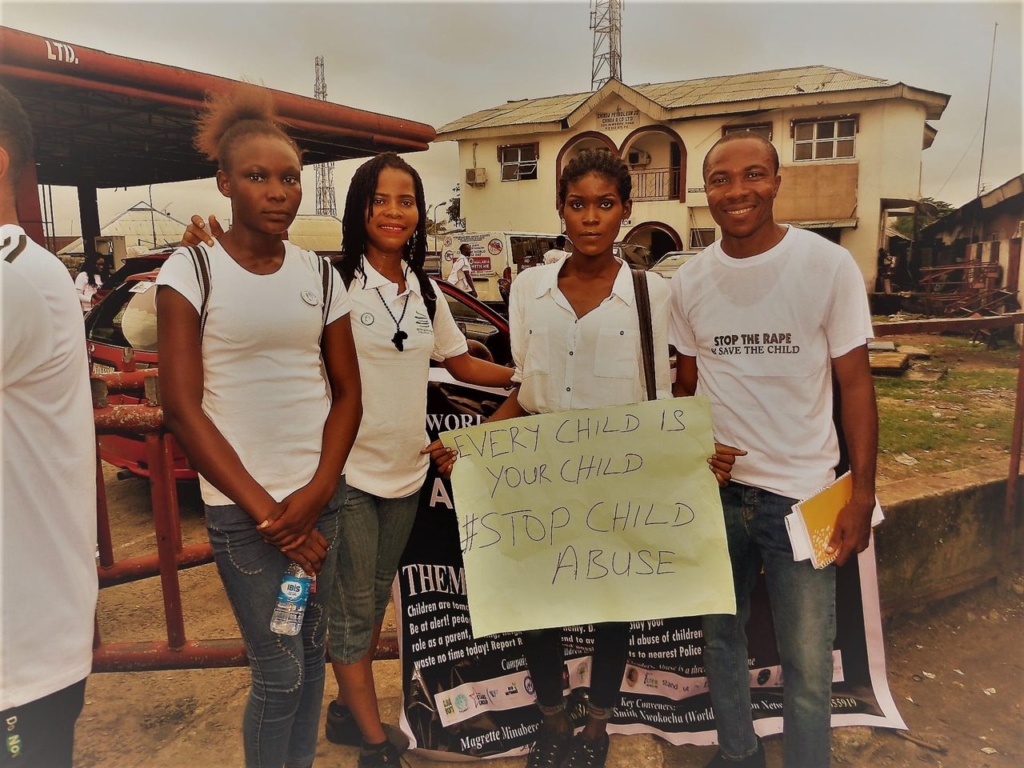
Perfect Johndick and Niger Delta Student Activist

To connect with Perfect Johndick use this link

Use this link to share your story with us to be featured as our next Climate Storyteller of the month https://forms.gle/k63zFBsaTTAydfMQA  
Storyteller of the Month - Q&A with Selma Bichbich

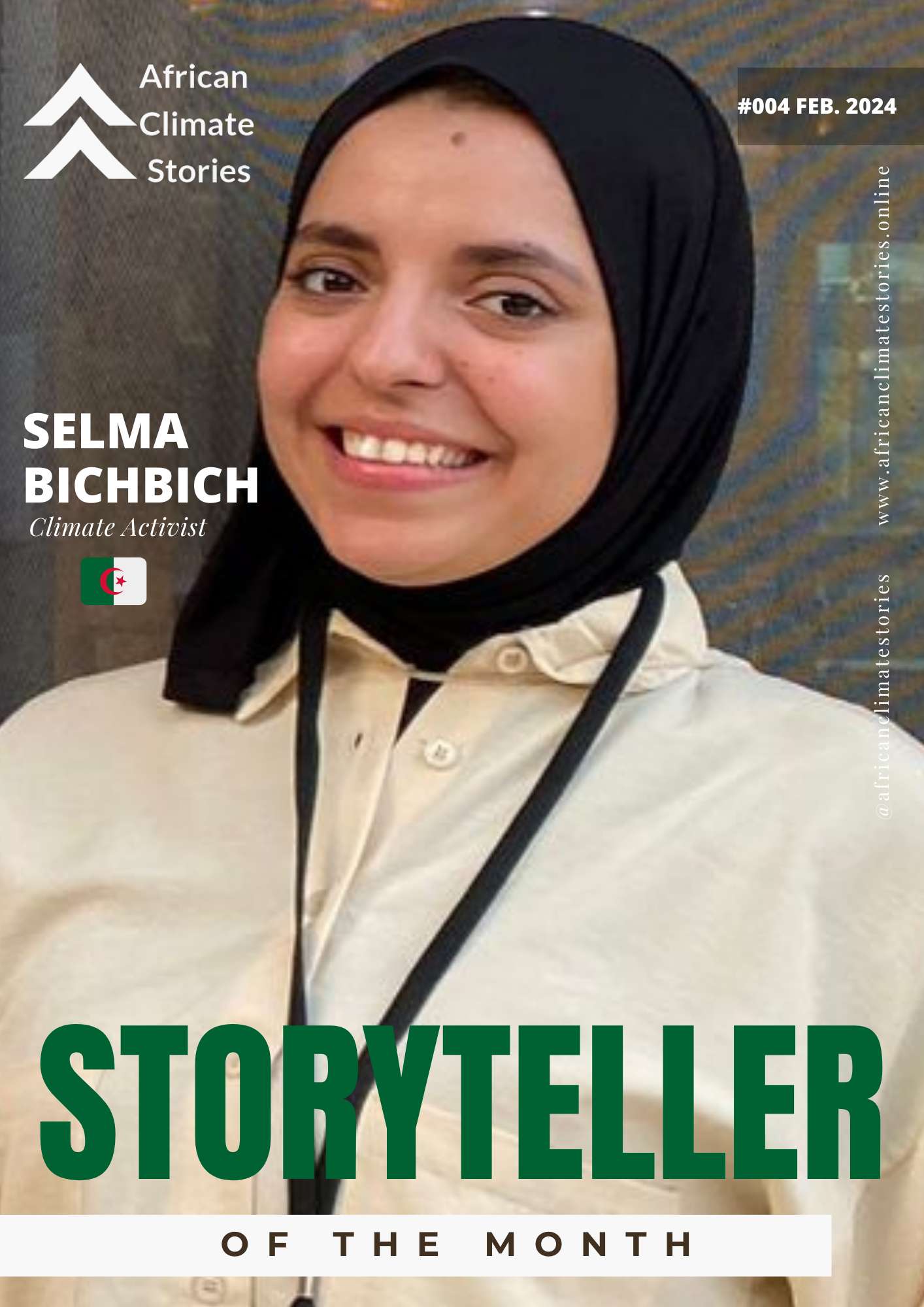
Selma Bichbich - African Climate Storyteller of the Month.

Our climate storyteller of the month, Selma Bichbich is a passionate social and climate activist from Algeria. She is the founder of a national NGO called “Together for Blue and Green,” which is dedicated to environmental conservation and sustainable practices. She is also the co-founder of the esteemed regional network, “MENA Youth Network,” which fosters collaboration and knowledge exchange within the MENA region.

Selma’s commitment to environmental causes extends beyond her national and regional involvement. She serves as the Focal Point of the environment and human rights thematic group at the Major Group for Children and Youth (MGCY), where she advocates for the intersection of environmental protection and human rights issues. Ms. Bichbich holds a pivotal position as a board member at “ProVeg,” an organization focused on promoting plant-based diets and sustainable food systems. She is also the project coordinator of the “MENA Coalition for Peace and Security,” where she works toward regional stability through environmental awareness and peace-building initiatives.

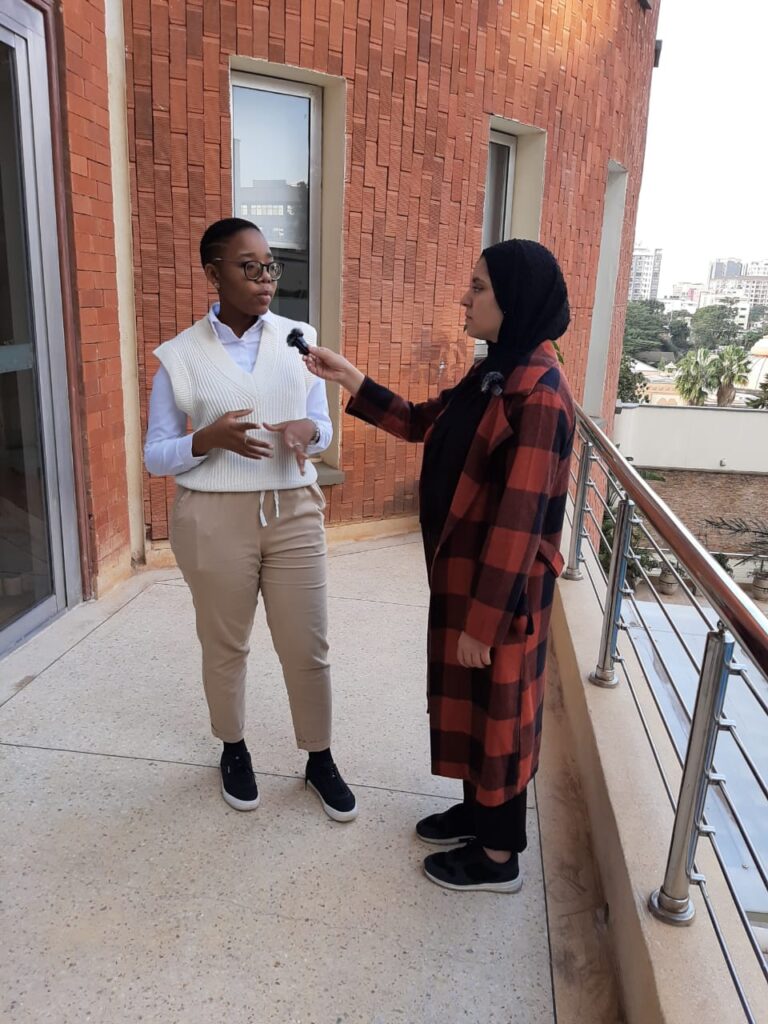
She was funded by UNEP to represent Algeria and the North African region at the SAICAM IP4.2 conference in Nairobi, Kenya, at the conference, she was able to address the devastating impact of chemicals in countries like Algeria, which has a long-standing issue with a contaminated valley since colonization, and highlighted the tragic explosion in Beirut, Lebanon, caused by unstudied chemicals.

As an event organizer, Selma has achieved remarkable outcomes, through organizing the successful inaugural edition of the “MENA Youth Environmental Assembly ” in collaboration with YOUNGO and MGCY, supported by the Swedish Institute’s funding. This assembly served as a vital platform for young environmental activists from countries of wars and crises in the MENA region to come together, share ideas, and advocate for impactful change.

Currently, Selma is spearheading an essential campaign at the AUB to ban plastic bottle usage within the campus premises, in her vision, the university will provide sustainable alternatives through water fountains, thereby reducing plastic waste and promoting a more environmentally friendly campus environment. Selma’s ultimate goal is to transform this campaign into a university policy, ensuring lasting change and sustainability.

Recognizing the importance of broadening her perspective and knowledge on climate issues, Selma has decided to pursue an internship with the “FLC Climate Justice Internship.”, aiming to deepen her understanding of addressing climate challenges through a filicidal perspective and learn innovative ways to connect these issues with her local community in Algeria.

What personal experiences sparked your passion for climate activism?
My journey into climate activism was ignited by witnessing the direct impacts of environmental degradation in my home country, Algeria. The moment that stands out for me was seeing the consequences of the contaminated valley, a lingering issue since colonization. This not only showed the environmental damage but also highlighted the interconnectedness of human rights and environmental health. My dedication is further fueled by the broader challenges faced by the MENA region, from water scarcity to the aftermath of environmental disasters, like the Beirut explosion. Let alone, the inspiring work that my grandparents have taught me through their green farming eco-friendly style and practices.

Selma Bichbich from Algeria

African Climate Storyteller Selma Bichbich

How do you believe storytelling can effectively communicate the urgency of climate change?
I believe storytelling is a powerful tool to convey the urgency of climate change because it humanizes the abstract and often overwhelming data surrounding this issue. Stories can bridge the gap between knowledge and emotion, compelling people to act by connecting them personally to the cause. In fact currently I am also leading a project where I do showcase stories of different youth female climate activists from the MENA region with Girls Rising.

Can you share a specific moment where you witnessed the impact of climate change, inspiring your commitment to advocacy?

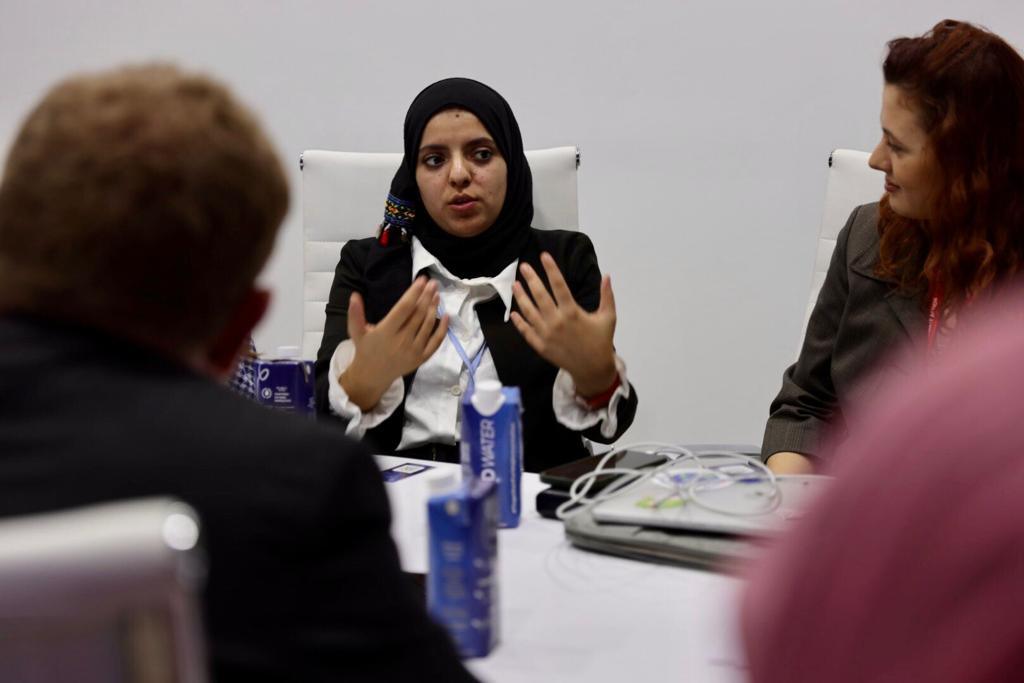
An especially poignant moment that deepened my commitment to climate activism occurred during my participation in COP28. There, I had the privilege of speaking out on the intersection of justice, climate change, and conflicts, with a particular focus on the injustices occurring in Palestine. The opportunity to moderate a significant side event was a highlight for me. This event brought to the forefront the profound impacts of conflict on the environment and the formidable challenges faced by youth advocates striving for change in such conditions. It was an emotional experience, not only due to the gravity of the subjects discussed but also because of the shared determination and resilience demonstrated by participants. This occasion underscored the critical need for global cooperation in addressing the environmental consequences of conflict and the importance of supporting youth-led initiatives in these efforts.

Selma Bichbich - African Climate Stories

Selma Bichbich at COP27 World Bank meeting

For those looking to use storytelling in climate advocacy, my advice is to start with personal experiences or local stories. These narratives can be incredibly powerful in illustrating the broader climate crisis. It’s also important to be authentic and factual, ensuring your stories resonate and motivate.

Selma Bichbich
CLimate activist from Algeria
What storytelling techniques do you find most impactful in engaging your audience on climate issues?

To engage audiences effectively on climate issues, I rely on a mix of personal narratives, visual storytelling, and data-driven storytelling. Personal stories create a connection, visuals leave a lasting impact, and data provides the credibility and urgency needed to inspire action, particularly when you link it back to specific movements, struggles, and to you as an activist trying to just leave something to your community.

How do you balance conveying the severity of climate change with inspiring hope and action in your stories?
In my storytelling, I aim to strike a balance by presenting the stark realities of climate change while emphasizing actionable solutions and showcasing examples of successful environmental stewardship. This approach ensures that the narrative remains hopeful and empowering.

Selma Bichbich on African Climate Stories

Selma Bichbich at IOM Forum

Can you share a success story where your storytelling efforts led to positive change or increased awareness?

A particularly significant achievement was the launch of the inaugural MENA Youth Environmental Assembly. In this event, we not only utilized storytelling to spotlight the environmental challenges and the resilience of youth in conflict-affected areas, but we were also able to directly support positive change by sponsoring five green projects across the MENA region. This was made possible through the generous financial backing of the Swedish Institute and Peace First. Additionally, my organization, Together for Blue and Green, took a pivotal role by hosting the first edition of the Local Conference of Youth (LCOY) in Algeria. This milestone event not only amplified our contributions to the environmental movement but also established us as a leading collaborator at the MENA Regional Conference of Youth (RCOY).
The assembly and these subsequent initiatives fostered a profound sense of unity and determination, driving increased awareness and catalyzing collective action within the region. The success of these efforts reflects the power of collaborative engagement and the vital role of youth leadership in the global fight against climate change.

What advice do you have for others looking to use storytelling as a tool for climate advocacy?

For those looking to use storytelling in climate advocacy, my advice is to start with personal experiences or local stories. These narratives can be incredibly powerful in illustrating the broader climate crisis. It’s also important to be authentic and factual, ensuring your stories resonate and motivate.

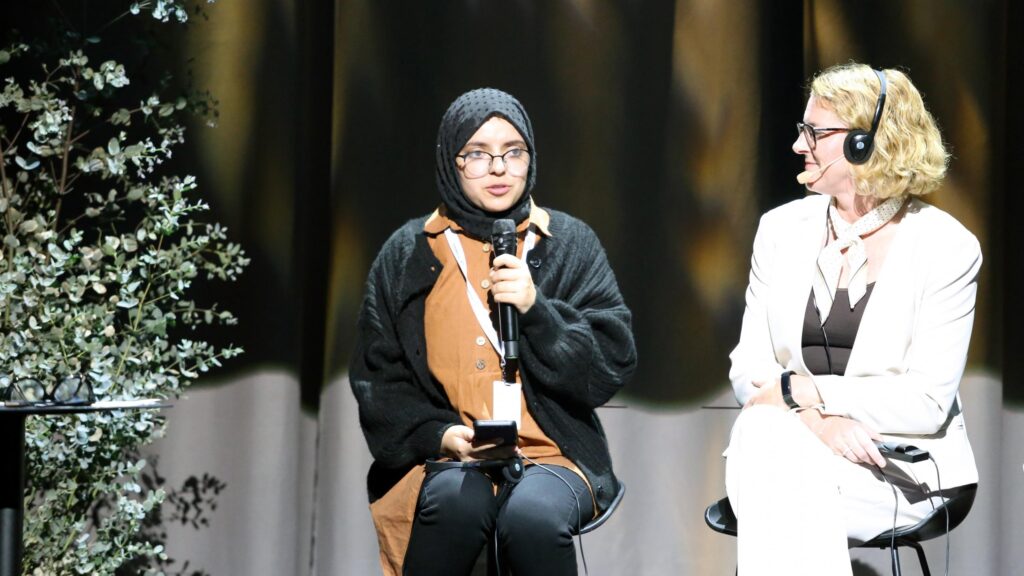
Selma Bichbich at Stockholm+50 conference

Selma Bichbich at Stockholm+50 conference

How do you navigate communicating complex scientific concepts in a way that resonates with a broad audience?
Navigating complex scientific concepts involves simplifying information without losing its essence. Using metaphors, analogies, and relatable examples can make these concepts accessible and engaging to a broad audience, please always keep a note of simplifying the terms as much as you can after all activism work is about having everyone involved and we want to ensure that it is a place for everyone to contribute.

What role do diverse voices and perspectives play in effective climate storytelling and how do you personally cope with the emotional toll of engaging with the challenges posed by climate change in your storytelling?
Diverse voices and perspectives are crucial in climate storytelling. They enrich the narrative by bringing in a range of experiences and solutions, highlighting the global nature of the crisis while respecting local contexts and knowledge, and the best part is having diversity in region, gender, culture, and perspectives.
Coping with Emotional Toll The emotional toll of climate change storytelling is significant. I cope by focusing on the positive impact of my work, connecting with a supportive community, and engaging in self-care practices. It’s important to find balance and remain hopeful.

Selma Bichbich - climate activist

What advice do you have for young people who want to venture into environmental and climate change storytelling?

To all the young, vibrant souls eager to make a difference through environmental and climate storytelling, let your curiosity be your compass and your diligence your map. Dive deep into research, immerse yourself in the heart of your community, and let the fire of your passion ignite a collective movement. Each story you tell is a beacon of hope, a call to arms in the noble quest to safeguard our planet.
Your voice is not just important, but essential…
Stand tall, speak loudly, and let the power of your narratives inspire action, transform hearts, and mobilize a global community. This is your moment. Embrace it with all the fervor and emotion you possess, for together, we can and will make a difference. AND PLEASE NEVER be embarrassed of your country’s challenges and struggles never be ashamed of what you have to address no matter how painful it is, because it is and we are all in this together but that what we call fight back…call to action and just ACTIVISM DUTY!

We hope you enjoyed this piece.

If you will like to be featured as one of our Climate Storyteller’s of the month? Kindly use this link to indicate interest or share with friends who qualify: African Climate Stories – Storyteller of the Month.