Author: ACSAdmin

Storyteller of the month - Q&A with Adebote Mayowa

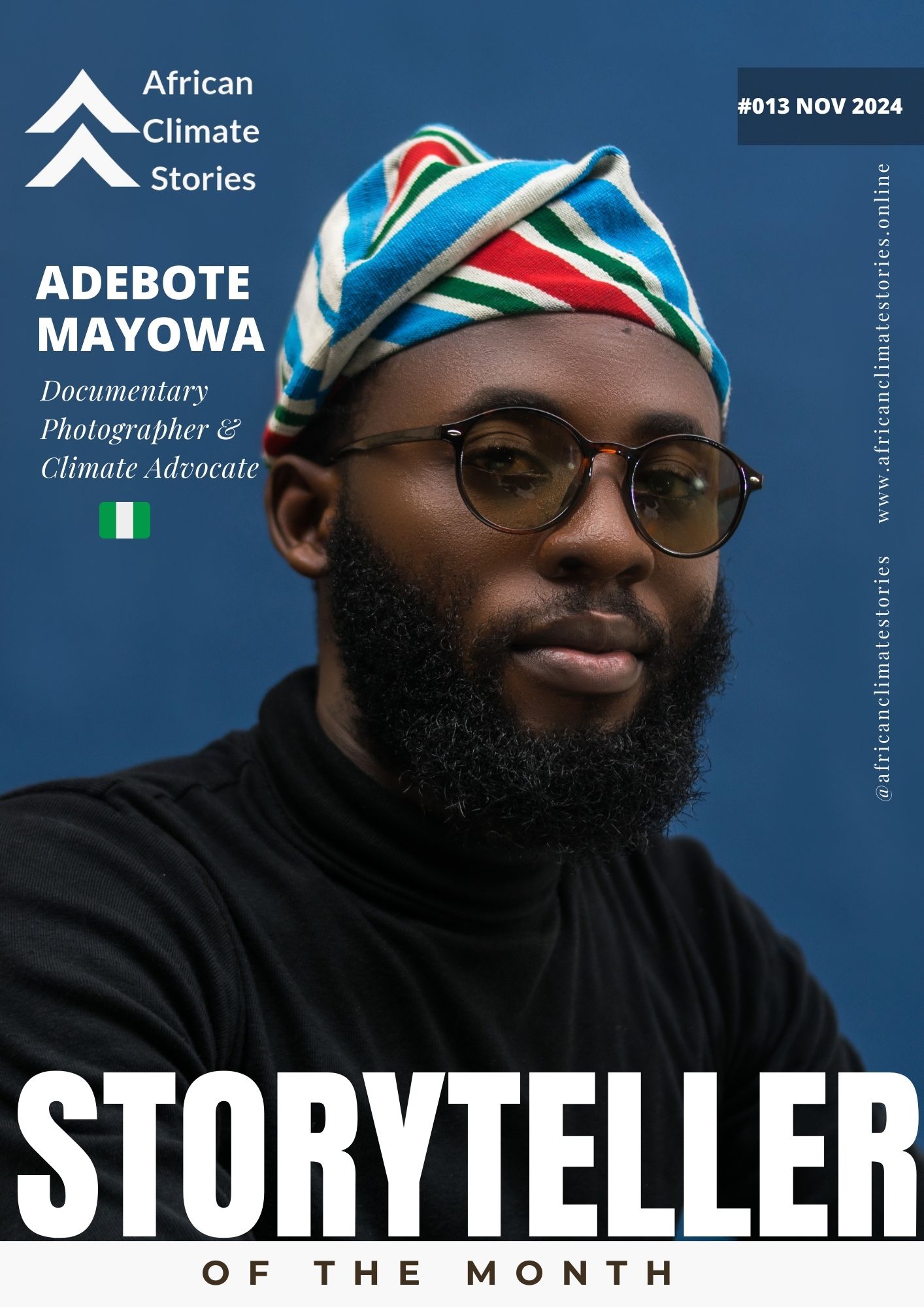
Adebote Mayowa, Documentary Photographer at Climagraphy

Adebote Mayowa is a documentary photographer and media executive for the International Climate Change Development Initiative (ICCDI). He has spent over five years using visual storytelling to bring attention to pressing climate issues across Africa. His journey into environmental advocacy began with a transition from events photography to documentary photography, motivated by the belief that powerful imagery can shift perspectives and inspire action. Through his work, he has led and contributed to various environmental campaigns aimed at building public awareness and fostering sustainable practices.

This month, we bring you our Q&A conversations with Mayowa. We hope you find it inspiring, enjoy…

What initially inspired you to transition from event photography to environmental documentary work, and how has your perspective on storytelling evolved?

My shift from event photography to environmental documentary work was driven by a desire to create more meaningful impact with my craft. While event photography was rewarding, I often felt limited in terms of how much I could convey messages through my images.

The turning point came with the Black Oxygen Project. I witnessed firsthand how a tire “recycling” company was threatening the livelihoods of over 5,000 people in my community. The toxic emissions caused severe air pollution and health problems, yet efforts from local leaders yielded no results. Documenting this crisis, I saw not just the environmental damage, but the physical and emotional toll on the people affected. This wasn’t an abstract issue; it was our lives at stake.

Through my documentary and virtual exhibition, we attracted significant attention, sparking local and international discussions and eventually leading to concrete action—the company was shut down, and justice was restored to the community. This experience showed me the power of visual storytelling as a tool for advocacy and justice.

The success of the Black Oxygen Project was a pivotal moment that solidified my commitment to environmental work. It demonstrated that my images could do more than just capture a moment, they could drive real change.

As my journey evolved, so did my approach to storytelling. Initially, I focused heavily on aesthetics and framing the “perfect shot,” but over time, I learned to prioritize authenticity and context. Now, I aim to capture the essence of the story, focusing on the humanity behind it. My work is less about perfection and more about truth showing the struggles, resilience, and lived experiences of communities facing environmental challenges. This shift has deepened my belief in photography as a powerful tool for social change, extending far beyond mere documentation.
Adebote Mayowa_Climagraphy_ExtremeHagout_COP29-31

Could you share more about the origins and goals of the Climagraphy project? What challenges did you face, and what impact has the project had?

The origins of Climagraphy stem from my desire to bridge the gap between environmental issues and the public’s understanding through the lens of photography (CLIMAte change- photoGRAPHY). I started Climagraphy with the goal of using visual storytelling to highlight the environmental and social impacts of climate change, especially in underrepresented communities. My experience as a documentary photographer has shown me the lack of accessible, relatable narratives on these critical issues, especially from African voices. So, I envisioned Climagraphy as a platform to give these stories the visibility they deserved and to educate, inspire, and drive people toward climate action.

One of the primary goals of Climagraphy has been to create a catalog of climate realities—images and stories that showcase both the struggles and the resilience of communities facing environmental challenges. By capturing these narratives, I aim to shift perceptions about climate change from abstract (scientific)data to real, human experiences, emphasizing the urgency and personal nature of the crisis.

Like everyone one, my journey hasn’t been without its challenges. One major hurdle has been securing funding and resources, which are essential for traveling, documenting, and producing high-quality content. Additionally, gaining the trust of communities, many of whom are wary of outsiders documenting their struggles, required time, patience, and transparency. I have had to be very mindful of cultural sensitivities and make sure the communities felt their stories were represented accurately and respectfully.

Despite these challenges, we have had significant impacts with CLimagraphy. The stories shared have sparked conversations at various levels, from local community groups to international platforms. For instance, a short photo story I did on open defecation in Lagos led to government action after gaining traction online. Seeing these tangible outcomes has validated the project’s purpose and reinforced my commitment. Ultimately, Climagraphy has become more than just a collection of images; it’s a movement that strives to use the power of visual storytelling to advocate for climate action, elevate underrepresented voices, and foster a sense of environmental responsibility.

  The turning point came with the Black Oxygen Project. I witnessed firsthand how a tire “recycling” company was threatening the livelihoods of over 5,000 people in my community. The toxic emissions caused severe air pollution and health problems, yet efforts from local leaders yielded no results. Documenting this crisis, I saw not just the environmental damage, but the physical and emotional toll on the people affected. This wasn’t an abstract issue; it was our lives at stake.  

Adebote Mayowa
Documentary Photographer

You documented the experiences of a Nigerian community affected by a tire-burning facility, which led to policy changes. How did you approach this story, and what were the key elements that helped make it impactful?

The Black Oxygen project was deeply personal for me, as I grew up in this community and experienced the effects firsthand. The pollution affected everyone’s health, and it was especially distressing to see how it impacted children and the elderly. This personal connection became a key driving force behind the story, as I wanted to bring to light what my community was going through, beyond just saying.

My approach was to first build trust and engage other community members in a collaborative way. Since they knew me, it made them more willing to share their experiences openly, and I spent time documenting the toll that the tyre-burning facility (owned by a chinese) had taken on their lives. I captured not just the physical impact the blackened plant and fish pond around, the soot-covered home but also the emotional toll it had on people who felt they had no choice but to endure it.

Key elements that made the story impactful included a mix of visual and emotional storytelling. I captured detailed photos and videos of the polluted landscapes, and the people suffering from respiratory issues. I also interviewed residents who shared their frustrations, their health struggles, and their fears for the future. Combining these elements into a multimedia piece helped create a powerful narrative that humanized the issue.

The story gained traction, and once it was picked up by media outlets, it caught the attention of local authorities, who eventually pushed to address the tyre-burning menance. Reflecting on this experience, I see the power of being both an insider and an advocate. It helped me convey the urgency and depth of the issue in a way that resonated widely and, ultimately, drove action.

How have your collaborations with international organizations like the UNDP and the African Development Bank shaped your approach to climate storytelling?

Working with these organisations has given me a broader understanding of climate issues at a global level, helping me see the interconnectedness of local experiences with larger policy frameworks and international agendas. I have gained insight into the diverse ways that climate change affects different regions and communities, as well as the complexities of addressing these issues across varying cultural, economic, and political contexts.

I recall Dr Anothny Nyong (Former Director of the Climate change Department at the AFDB) encouraging me to make my storytelling more data-driven and solution-oriented. I have learned to incorporate data and research into my stories to strengthen their credibility and reach. This experience tells the importance of grounding narratives in evidence, which can make them more compelling to policymakers and stakeholders who rely on hard data for decision-making.

What insights did you gain from leading the Climate Solution Leadership Training, particularly in empowering young Africans to take climate action?

Participating in the Climate Solution Leadership Training was an eye-opening experience that deepened my understanding of both the challenges and potential of climate leadership among young Africans. Working with over 600 young participants across six Nigerian states, I noticed the immense passion and creativity that youth people bring to addressing climate issues.

One key insight for me was the importance of contextualizing climate action within local realities. Many young Africans are acutely aware of the environmental issues affecting their communities, from flooding and deforestation to pollution and waste management. But to empower them effectively, it was essential to connect these issues to their everyday lives and show them how they could make a tangible difference in their communities. Alongside the project lead, Olumide Idowu, we tailored the training to highlight locally relevant solutions, such as sustainable farming practices, community waste management, and clean energy options suited to their regions. This not only increased engagement but also inspired participants to see themselves as catalysts for localized change.
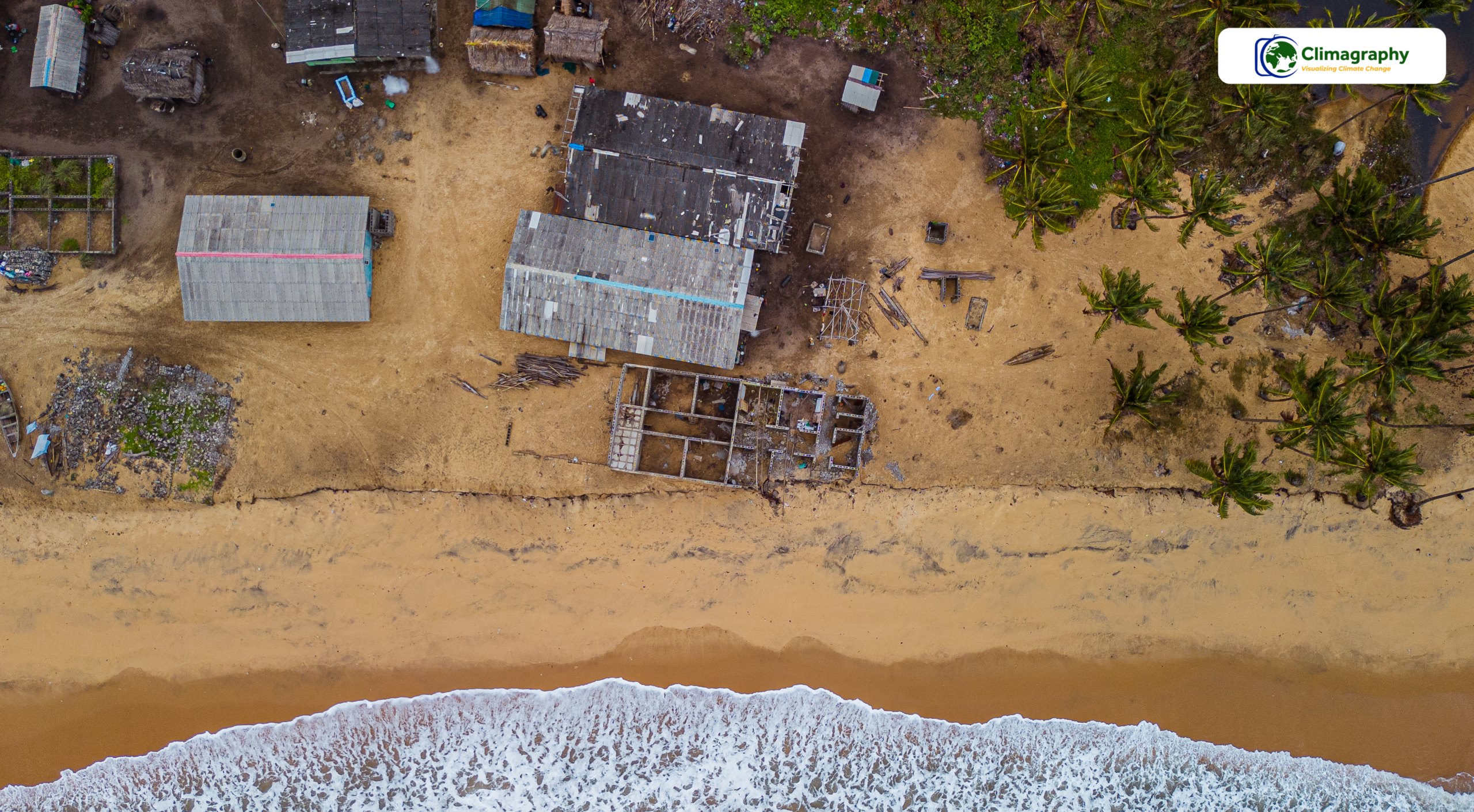
Adebote Mayowa_Climagraphy_ExtremeHagout_COP29-2

How do you approach capturing the human stories behind climate data, especially when aiming to convey complex environmental issues?

On every project I carry out,, I try to balance scientific information with the emotional depth of personal narratives and like on my project, I start by immersing myself in the community or story I’m documenting, taking time to understand the personal and cultural dynamics at play. While doing this, I try building trust and establishing a genuine connection with people, Empathy guides me to ask questions that reveal not just what people experience, but also how they feel, what they fear, and what they hope for, this elements that make the data come alive.

I look for universal themes such as health, safety, family, and livelihood that resonate with audiences globally. These themes help bridge cultural gaps and allow people from different backgrounds to empathize with those facing environmental hardships.

What are some underrepresented narratives or climate stories in Africa that you feel need more global attention, and how do you plan to bring them to light?

In Africa, desertification is rapidly affecting agriculture and displacing communities that depend on the land for survival. Yet, these communities are developing unique adaptive techniques. Stories like this are worth highlighting to showcase both the harsh reality of land degradation and the resilience of the people affected, framing their adaptive methods as models for other regions.

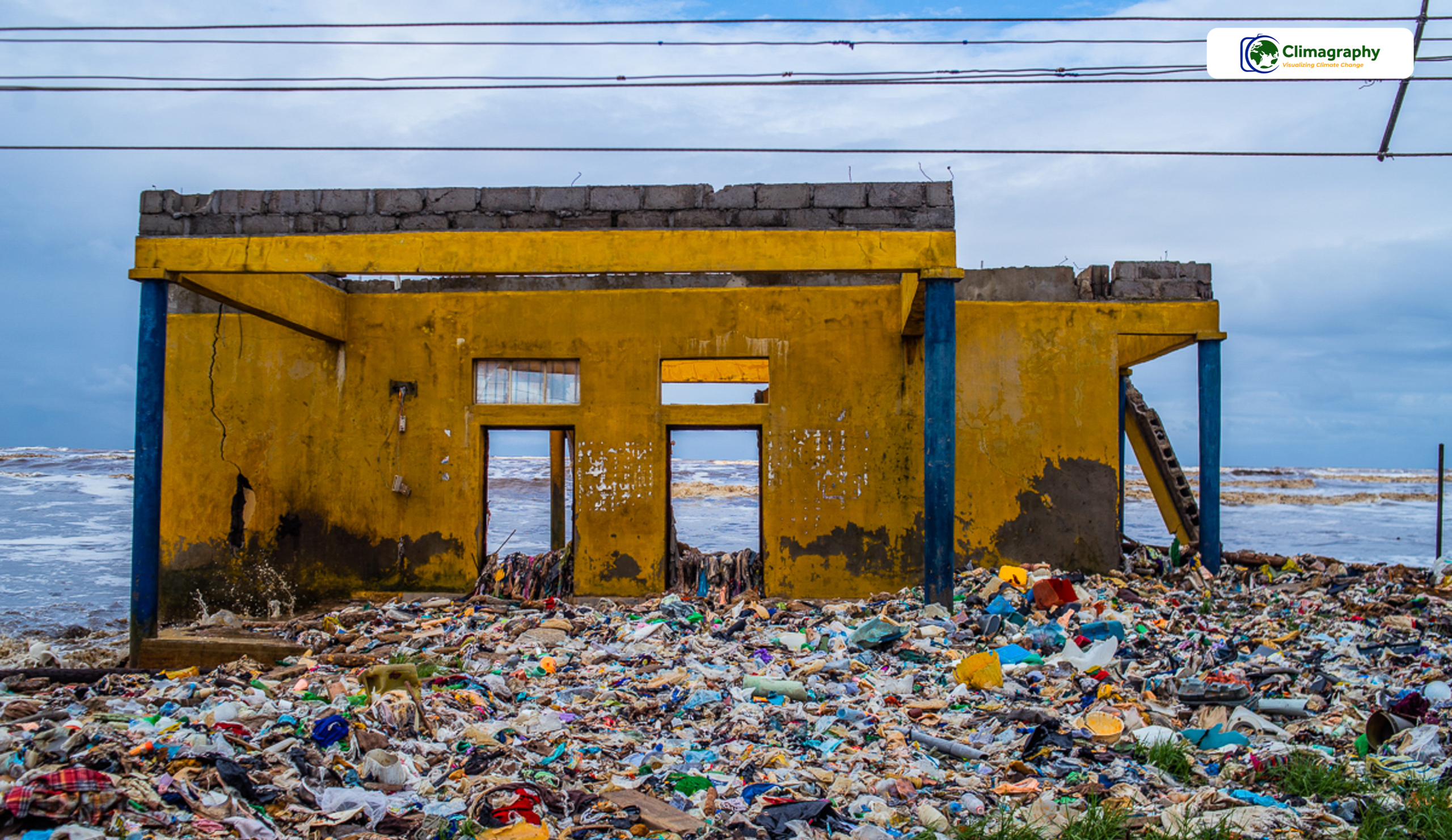
In Nigeria, Coastal Erosion and the Threat to Fisheries is another underrepresented narrative. People face severe erosion that threatens their homes and traditional fishing practices not forgetting to mention the overfishing and unregulated practices by international vessels depleting fish stocks, leading to both economic hardship and food insecurity. I plan to document the voices of these fisherfolk, exploring how they navigate these intersecting challenges and how local and international policies could offer solutions.

Lastly, Women in Africa are disproportionately affected by climate change, particularly in rural areas where they bear the brunt of water scarcity, crop failures, and the need to care for family members. Yet, these women are also central to sustainable farming, conservation, and grassroots climate action. By telling their stories, I want to bring global attention to the gendered impact of climate change and amplify the voices of female climate leaders, framing them as crucial allies in the fight for a sustainable future.

I plan to leverage Climagraphy as a platform for sharing in-depth photo essays and multimedia projects that combine visuals, interviews, and data. I’m currently in some conversations with CJID and hoping to workout some collaborations with journalists in their cycle to further extend the reach of these stories, ensuring they reach decision-makers and activists alike. I also want to explore immersive storytelling formats like virtual exhibitions and augmented reality to engage audiences in a more personal, impactful way.

Looking ahead, what projects or goals are you most excited to pursue in your environmental advocacy work? 

One of my primary focuses is expanding Climagraphy into a larger platform that not only documents climate realities but also educates, collaborates, and fosters community action across Africa. I envision Climagraphy as a hub for African climate stories, where local communities can share their experiences and solutions, and young photographers and storytellers can learn how to amplify these voices in meaningful ways. Building this platform will require partnerships and resources, but I’m passionate about creating a space where underrepresented voices can drive global conversations on climate change.

I’m also excited about the upcoming exhibition at COP29, which aims to showcase the often-overlooked climate struggles in Lagos and across Nigeria. This exhibition will be an opportunity to reach a global audience, and I hope it serves as both a wake-up call and an invitation to action. My goal is to expand this into a traveling exhibition, bringing climate stories from various African cities to international platforms, raising awareness, and rallying support for affected communities.
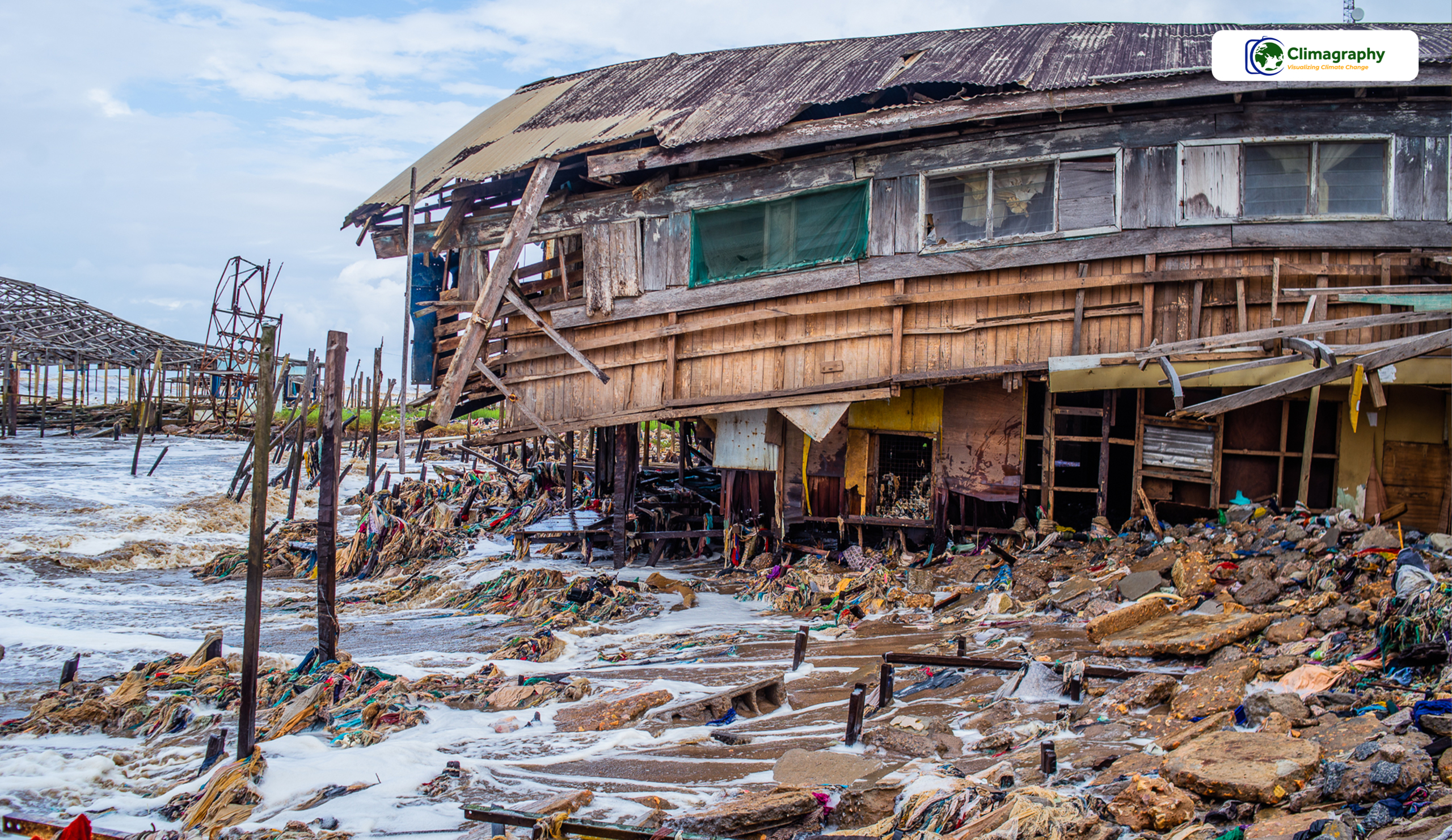
Adebote Mayowa_Climagraphy_ExtremeHagout_COP29-20 Documentary Photographer

Any advice to emerging climate storytellers?

Use Storytelling to Highlight Solutions, Not Just Problems Showing the challenges is vital, but balancing that with local solutions, resilience, and adaptive strategies makes your stories more hopeful and inspiring. People are more likely to engage and take action when they see solutions as well as issues.

Secondly, Storytelling can be a lonely journey, so connect with other climate storytellers, photographers, or advocates who share your vision. Whether it’s through local organizations, workshops, or online platforms, these connections will help you learn, collaborate, and stay motivated.

The journey is challenging but incredibly rewarding. Your work can bring untold stories to life, give a voice to marginalized communities, and inspire change. Keep learning, stay compassionate, and believe in the power of your lens to shape a more sustainable world.

Did you enjoy this piece? Nominate an African Artists using their skills and talents for environmental good here to be African Climate Storyteller of the Month 
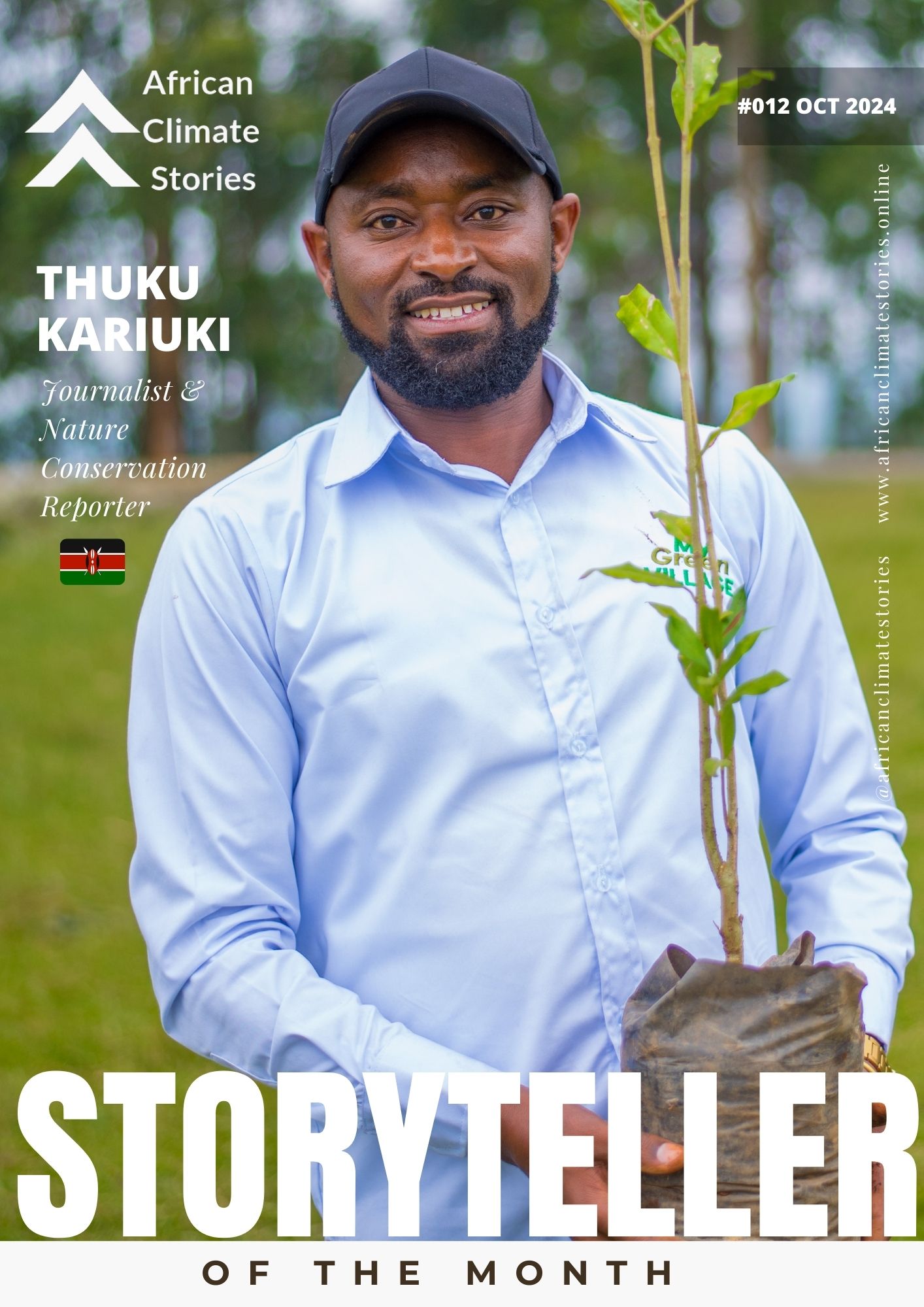
Storyteller of the Month - QnA with Thuku Kariuki

Thuku Kariuki, Journalist and Nature Conservation Reporter.

This month we are taking you all the way to Nairobi Kenya to meet our storyteller of the month.

Thuku Kariuki is a producer/production manager and a filmmaker at Afrika Live Media, a pan-African media production company based in Nairobi, Kenya.  He has worked in the media industry for the last 14 years. And for the last 9 years, Thuku has worked as a Nature conservation and environment documentary filmmaker / journalist. This 9 years of environmental journalism has led him to work for several local and international media organizations among them Deutsche Welle, Giving Nature a Voice for The Aga Khan University School of media and communication in partnership with NTV and TRT World News. Thuku has produced tens of environment conservation stories for DW Eco Africa, a pan African environment magazine show broadcast on Deutsche Well TV and through their partners NTV Uganda and channels TV Nigeria. He has produced tens of stories in Kenya, Tanzania and Ethiopia.

So we want to use this feature to highlight some of those key moments to see places where we can find inspiration and lessons from his story and experiences.

What inspired your shift to nature and environmental documentary filmmaking over the last nine years?
I have had the love for the environment from when I was a very young man watching my dad plant trees and sometimes planting with him and also tilling the land with my parents and loving how they were planning their different fields. I come from a very green zone with a very well kept and neat compound so when I became a journalist and started practicing, of course I was forced to cover what was on the docket but from time to time, I would get a chance to do environment stories and that’s when I discovered my love for the environment filmmaking and storytelling. Environment stories would give me more peace and comfort when I covered them. 9 years ago, when my company Afrika Live Media started working for Deutsche Welle Eco Africa program, I got a chance to purely cover environment and I have never looked back. Now, I am growing “My Green Village” platforms as an outlet to my environment stories. I have since been doing both environment films and text stories for different outlets both in Kenya and around the world.

African indigenous knowledge and practices are the golden card to conservation in Africa. If you look back at traditional African practices from getting medicine and food from the forest to bee keeping and other practices, it was all linked to conservation because everything was coming from the protected areas… When I’m doing my films, I try as much as possible to capture the community driven practices that are applicable to their areas as opposed to the ones borrowed from other places.

Thuku Kariuki
Journalist and Nature conservation reporter

Can you share a memorable or challenging experience from filming in nature that deepened your commitment to conservation?

I was once producing a story on the Nairobi River Clean-up – Once a dump site, now a park. The story entailed a number of facets from garbage management to improving the quality of life for Nairobians through city redesigning and new building technologies. When filming in Kibera with a local conservation group Mazingira Yetu, I noticed how difficult it was to navigate the heaps of garbage, sewage rivers and open sewers but I saw a very clear resolve with locals and the organization to make things work for a better environment especially in cutting down the free-flowing waste. With that in mind and in my resolve to make things better, I upped my commitment in planting and growing trees and went ahead to establish groups and schools’ participation in My Green Village Initiatives. To keep the message alive, I make sure most of the motivational videos from My Green Village activities are and distributed through different channels. 

You’ve produced several stories for DW Eco Africa, TRT World News, NTV Uganda, and Africa Live TV. Could you tell us about a specific conservation story that had a significant impact on you or your audience?
A few years ago, I produced a story on the restoration of Kirisia Forest in Samburu county in northern Kenya whereby a local community had vacated the forest area they had occupied and degraded for years and they become the guardians of the forest. To me, that was a big win for the environment and the community and it inspired me to keep telling more such like impactful stories in a move to help communities from all over the world learn from each other. The story got a huge and positive feedback from the audience and the community has requested us to film a more detailed documentary about their work so that it can be used as an educational piece all over the world. I went back to Kirisia Forest later on to monitor progress – which was very positive and I planted some trees.
Kenyan Documentary Filmmaker - Thuku Kariuki
What role do you think storytelling plays in driving environmental change and influencing policy?
Storytelling is a very strong tool in driving environment change and influencing policy because it makes people interact with and understand matters as presented both with facts and data helping people understand exactly what is at stake. Storytelling gives a revelation and opens peoples eyes to either take action or suffer the consequences.

Given the increasing importance of addressing climate change, what do you see as the biggest challenge in environmental journalism today?
The biggest challenges in environmental journalism today are the gap between experts and journalist and resources to help journalists in their work. In many countries in Africa, experts are still not readily available for journalist when in need hence the lack of expertise contribution in most cases therefore frustrating journalists in their environment reporting.

Can you share how your work with Giving Nature a Voice has contributed to the conservation discourse in Kenya?
Giving Nature A Voice connected journalists to production resources as well as to conservation communities hence helping bring the environment cases that needed shining a light on. This project helped different communities learn from each other about matters environment conservation making it easy for them to take up conservation initiatives that they never knew could work on their areas. The project also helped enlighten communities about environment challenges around them and how to overcome them.

What do you believe is unique about the African approach to environmental conservation, and how do you try to capture that in your films?
African indigenous knowledge and practices are the golden card to conservation in Africa. If you look back at traditional African practices from getting medicine and food from the forest to bee keeping and other practices, it was all linked to conservation because everything was coming from the protected areas. In many African societies, the forest was seen as a holy place and therefore protected and respected. In the places that they are still practicing the tradition management practices, conservation is more successful than in other areas. When I’m doing my films, I try as much as possible to capture the community driven practices that are applicable to their areas as opposed to the ones borrowed from other places. My films are community based, local solutions for local problems.

Kenyan Nature Conservation Journalist Thuku Kariuki

What advice would you give to young filmmakers who are passionate about using their skills for nature conservation and climate storytelling?
To young filmmakers and storytellers, my advice is simple. Start by understanding what is in it in nature conservation from a community perspective. Its all about the people. Humanize everything then pass your message with the simplest language possible so that you can communicate and reason with everyone from young children to old people.

Storyteller of the month - Q&A with Kennedy Gitau

Kennedy Gitau, Animated content creator for wildlife conservation advocacy

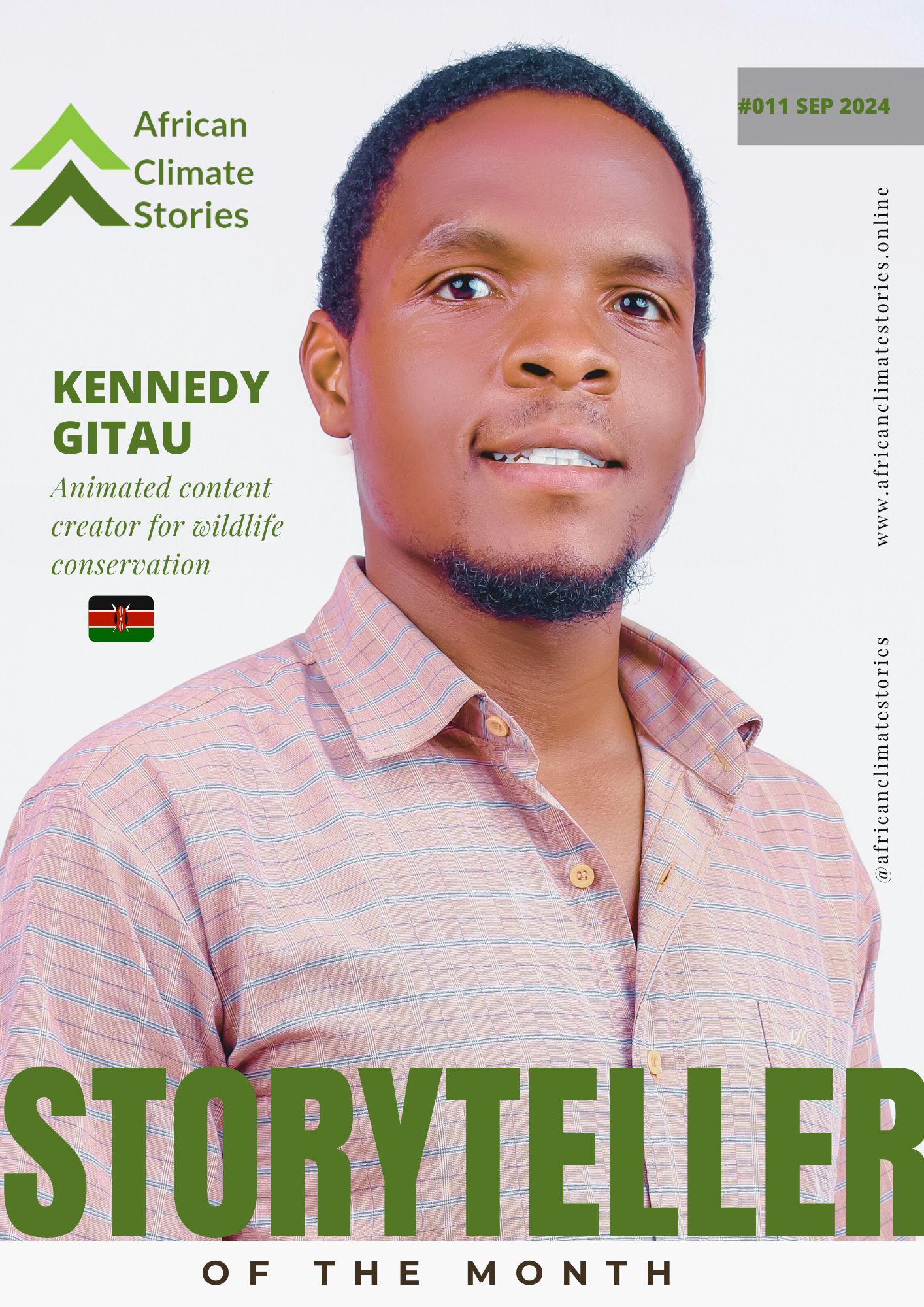
Kennedy Gitau also known as Ken is an Animated Content Creator from Nairobi Kenya. His first love for art is in the form of cartoons. He fell in love with wildlife after volunteering at WildlifeDirect, where he learnt about wildlife and found that he had a knack for watering down complex topics like the Wildlife Act 2013.  He went on to make short explainer videos filled with puns and humor and noted that kids loved them and learnt much from them than conventional books. Since then, he has dedicated his life to using this artform to educate kids on wildlife using cartoons and humor, to make young people, especially kids care.

This month’s feature spotlight’s Ken’s journey using animated content creation for wildlife conservation education and advocacy in Kenya.

Can you tell us more about your journey from being a cartoon enthusiast to falling in love with wildlife? What was the pivotal moment that inspired you to merge these two passions?

I always had a love for drawing and art since childhood, but I fell in love in with animation at the age of 8 after someone brought home a DVD CD that had behind the scenes of Finding Nemo. From there I knew I would be doing animation for a living.

I finally pitched a kids explainer filler show and was accepted at Zuku kids. It was during the season breaks that I looked for somewhere to use my talents and stumbled upon a radio interview on XFM where the renowned conservationist Dr. Paula Kahumbu was discussing one of her campaigns #HandsOffOurElephants and enquired how I could volunteer towards the cause using my skills. I volunteered to illustrate the 2013 Wildlife Act using cartoons.

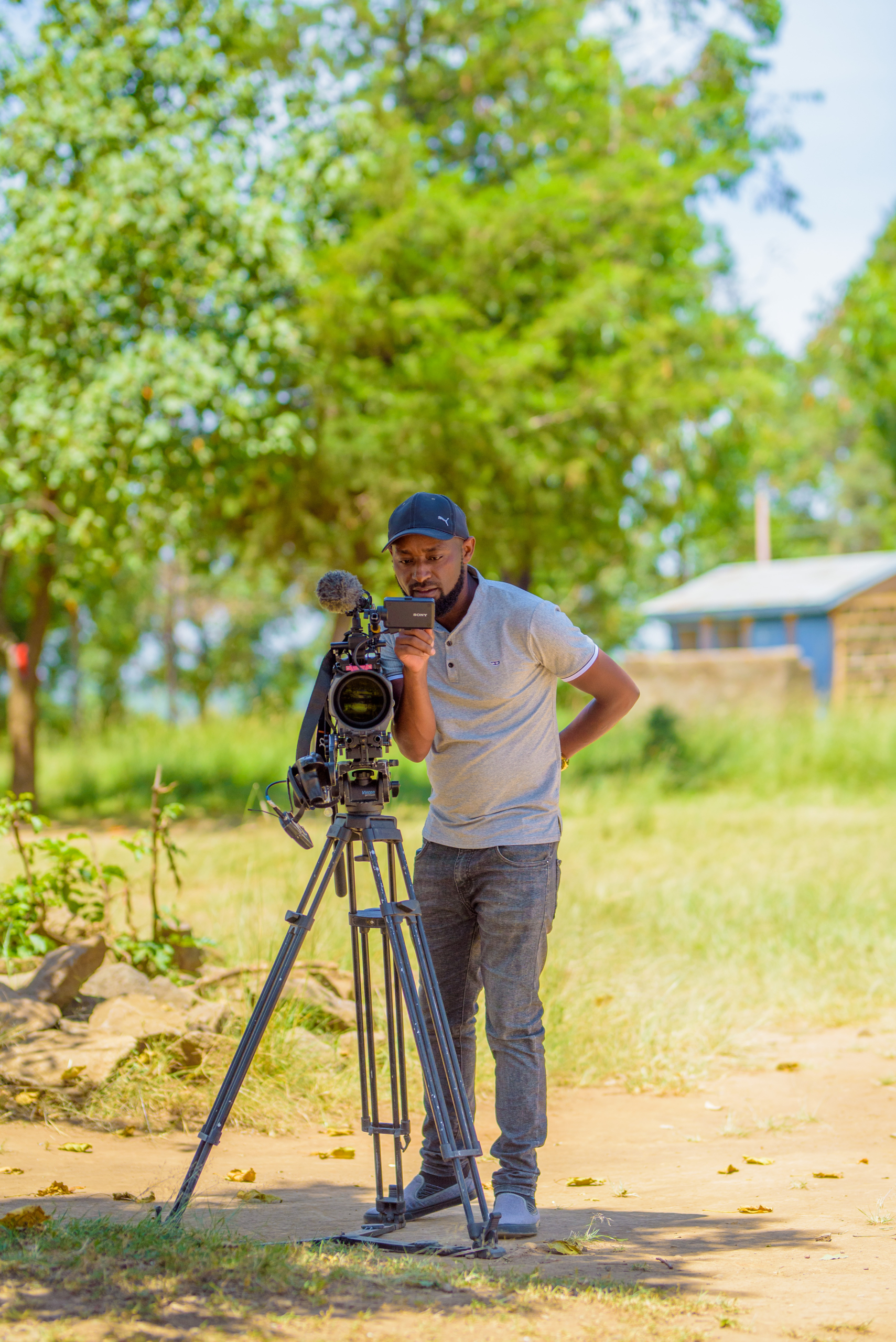
Animation by Kennedy Gitau

When an opportunity arose at Wildlifedirect for a Communications assistant, I applied and got on board. It is here that I learnt about wildlife and conservation activities in Kenya. I felt that children and young people were often left out in the way conservation stories were told. The mainstream documentaries lacked the entertainment value I’d seen in other mainstream shows such as Spongebob and figured I could weave the same stories with a little humor and off-the-cuff puns.

I managed to make a pilot for an animated TV series dubbed I AM MBOGO, which was selected as one of the winning films at NEWF and was funded to make the pilot.

What has been the most rewarding part of using cartoons to teach children about wildlife? Can you share any memorable stories or feedback you’ve received from young viewers?
The most rewarding part of my job is seeing the audience giggle a little and seeing the kids wide eyes when watching something I created or see them engrossed coloring a wildlife piece I created.

Using your gifts to help protect our planet and its wildlife has got to be one of the most rewarding callings out there – of course it wont be easy, but keep doing what you do.

Ken Gitau
ANIMATED CONTENT CREATOR

How do you balance creating content that is both educational and entertaining? What’s your process for making sure kids are engaged while still learning important concepts?

Oof, this is where it gets tricky. Luckily, I have a knack for watering down complex scientific facts to visible illustrations. I find that using round eyes are easy to express emotion, even in inanimate things such as trees and rocks. 🙂

In your opinion, why is it important to engage kids in wildlife conservation from a young age, and how can art and humor play a role in this?

”Samaki mkunje angali mbichi” (You can only bend the fish when wet) – The Swahili saying goes. Meaning that inculcating ideas, behavior and concern is best done when young. If at all we intend to bring behavior change and concern for wildlife, we MUST include children in the way we communicate wildlife stories.

How do you hope your work will impact the next generation’s understanding of and passion for wildlife and environmental conservation?

I hope to use my gifts in art and storytelling to soon make a mainstream TV show that will not only entertain, but rid young people of the distance they feel towards wildlife conservation and their habitats as well. Also create an awareness of the impact of what we do, eg. Plastic straws, littering etc. on the habitats where these wild animals live.

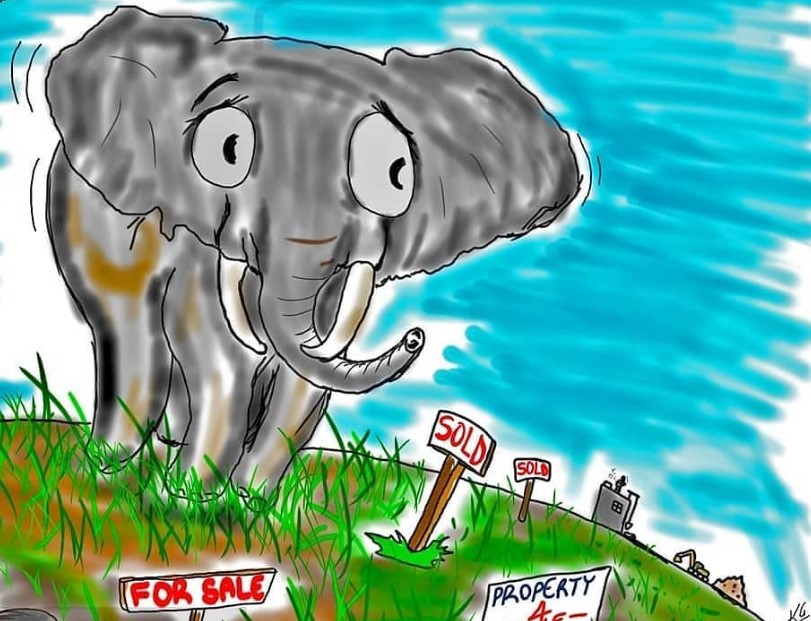
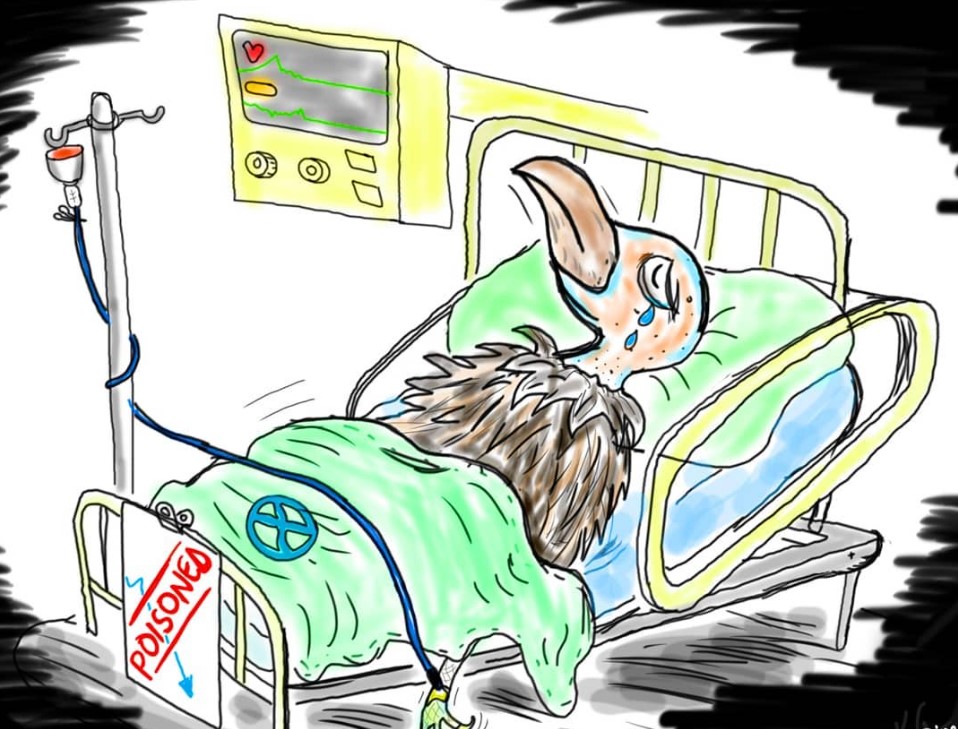
Cartoon by Ken Gitau
What are your future plans for expanding the reach of your wildlife education content? Are there any upcoming projects or collaborations that you are particularly excited about?

I currently still have the pilot to my TV series and a kids coloring book on wildlife which am looking for collaborations out there to hopefully get them off the ground.

If you could give one piece of advice to young African artists or environmental educators looking to use their creative talents for environmental education and awareness what would it be?

Keep at it, don’t stop (ipo siku). Using your gifts to help protect our planet and its wildlife has got to be one of the most rewarding callings out there – of course it wont be easy, but keep doing what you do.

Did you enjoy this piece? Nominate an African Artists using their skills and talents for environmental good here to be African Climate Storyteller of the Month 
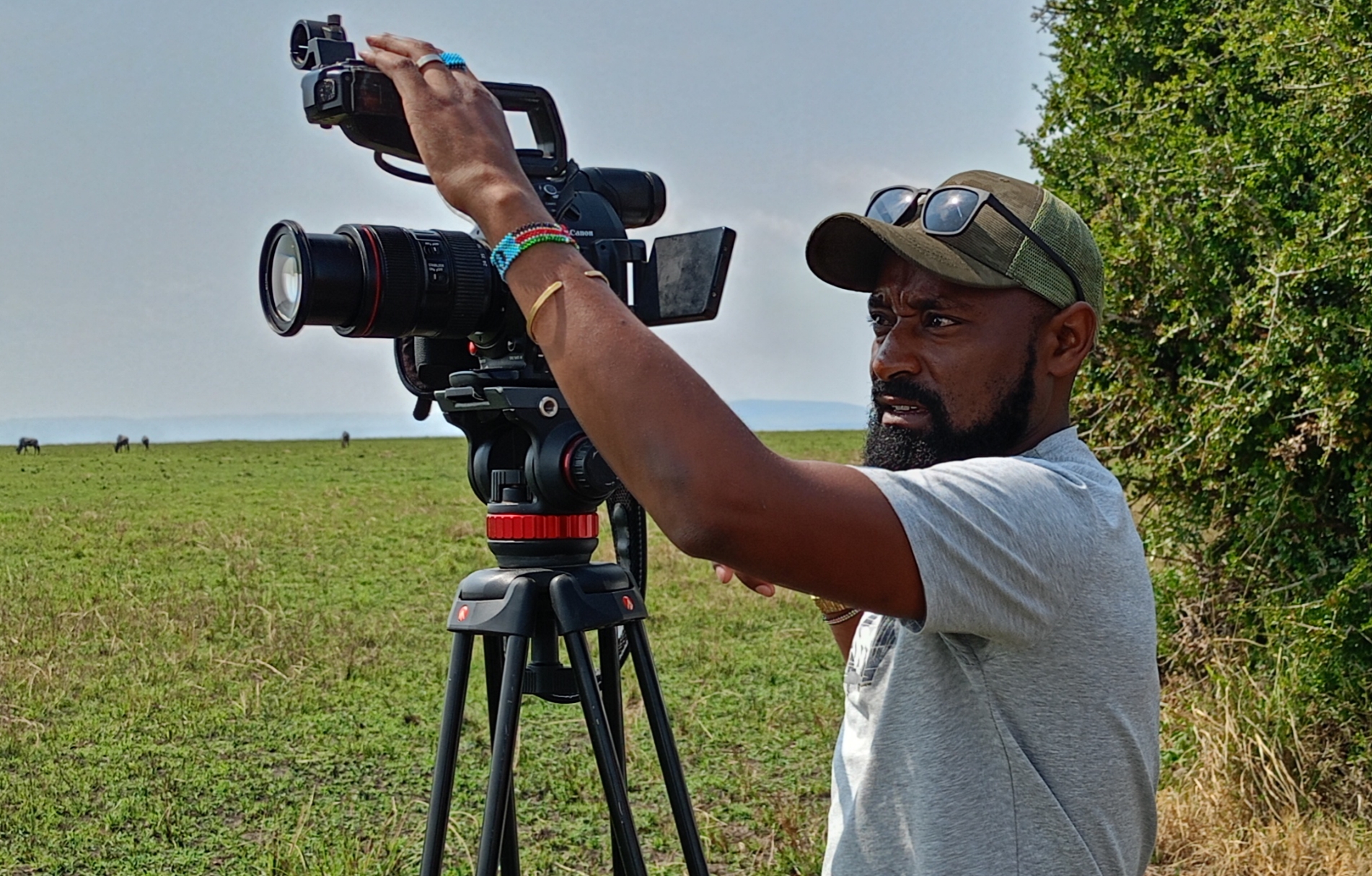
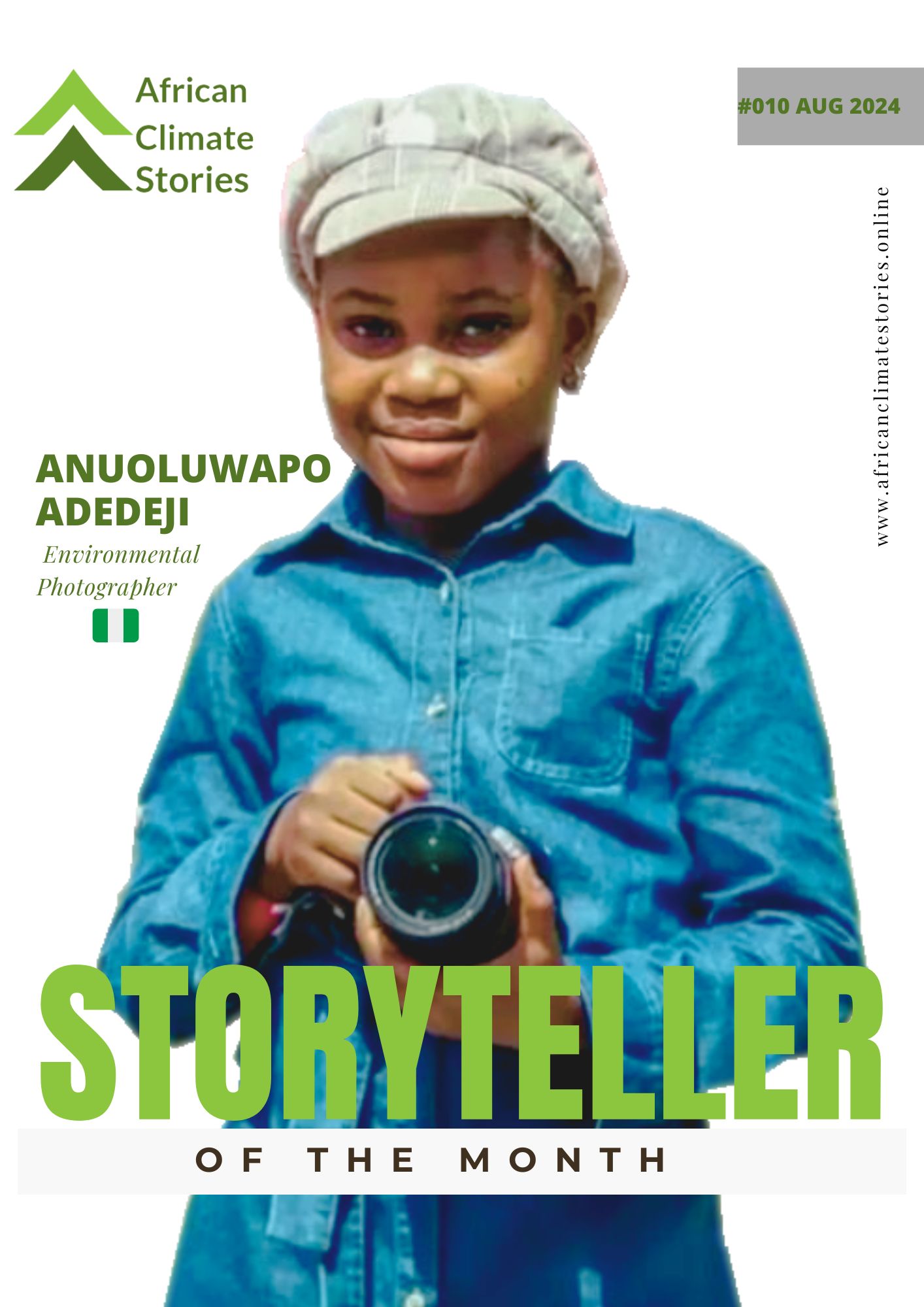
Storyteller of the Month – Q&A with Anuoluwapo Adedeji
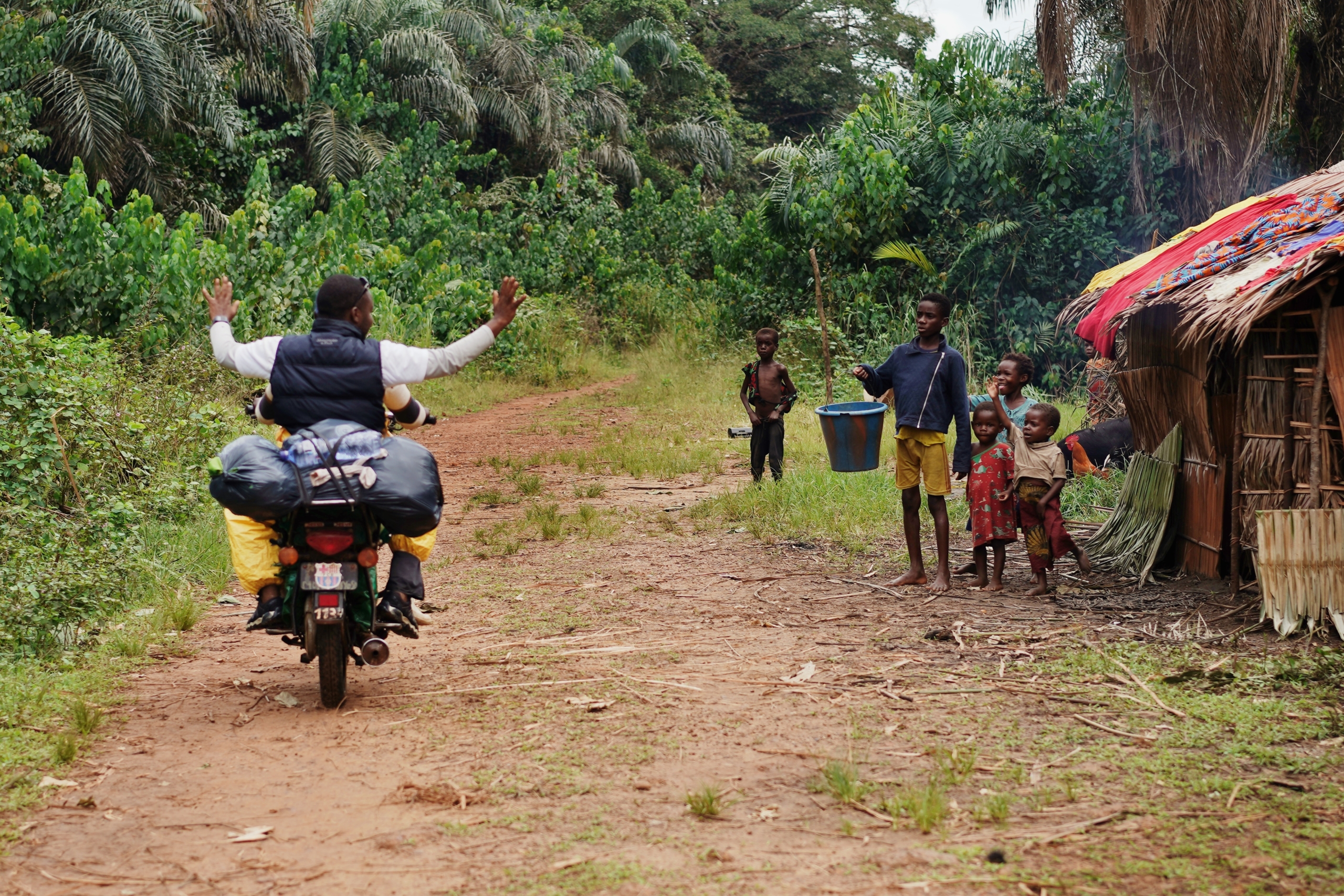
Meet Adedeji Anuoluwapo. An environmentalist and a photographer based in Lagos Nigeria

Let’s get to meet you. Who is Anuoluwapo Adedeji?

My name is Anuoluwapo Adedeji, I am a 10 years old. I was born on the 11th March 2014 and I am presently the youngest photographer based in Lagos, Nigeria and an indigene of Osun State.

What inspired you to start climate change and environmental advocacy at a very young age?

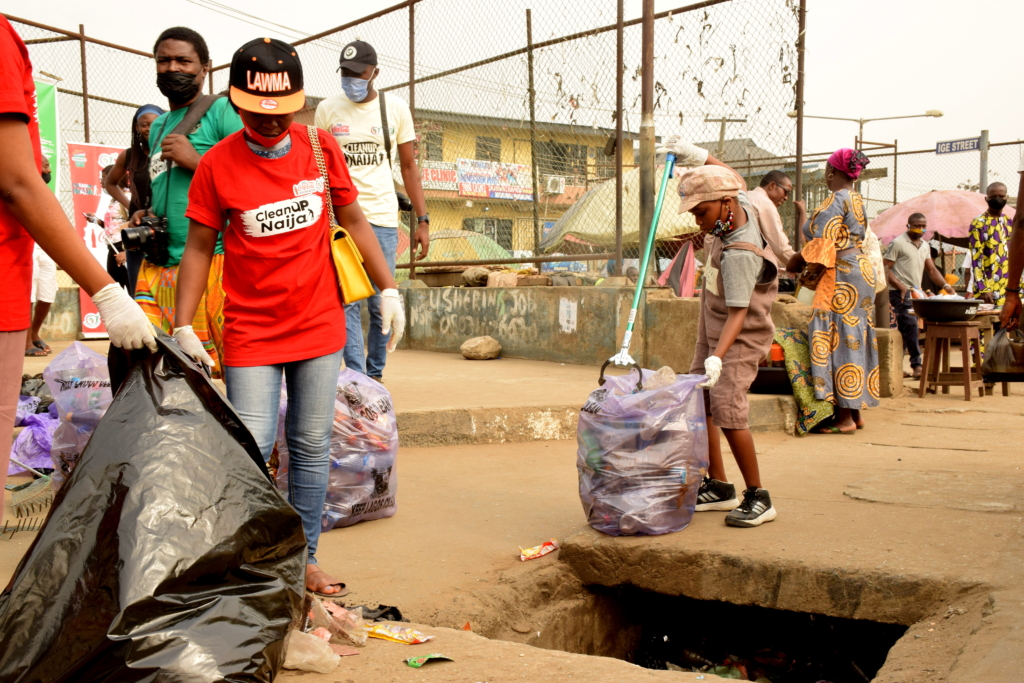
My Parents role as volunteers with the Beach Samaritan Initiative based in Lagos introduced me to the importance of keeping my environment clean.

What tools are you proficient at and how have these tools helped your advocacy work?

I use a camera and the pictures I take with it has helped me to encourage other children to understand the effect of climate change on our existence through my photo exhibitions on the effects of climate change.

Has there been anyone who has served as a guide, coach, or mentor to you on this journey? What impact have they played towards your success?

Yes, My Father, Mr Pelu Awofeso, Co-Founder, Beach Samaritan Initiatives, and Mr AlexGreat Akhigbe II Founder of the African Cleanup Initiatives.

How did your photography contribute to empowering communities in understanding the direct impacts of their decisions and actions on the environment? 

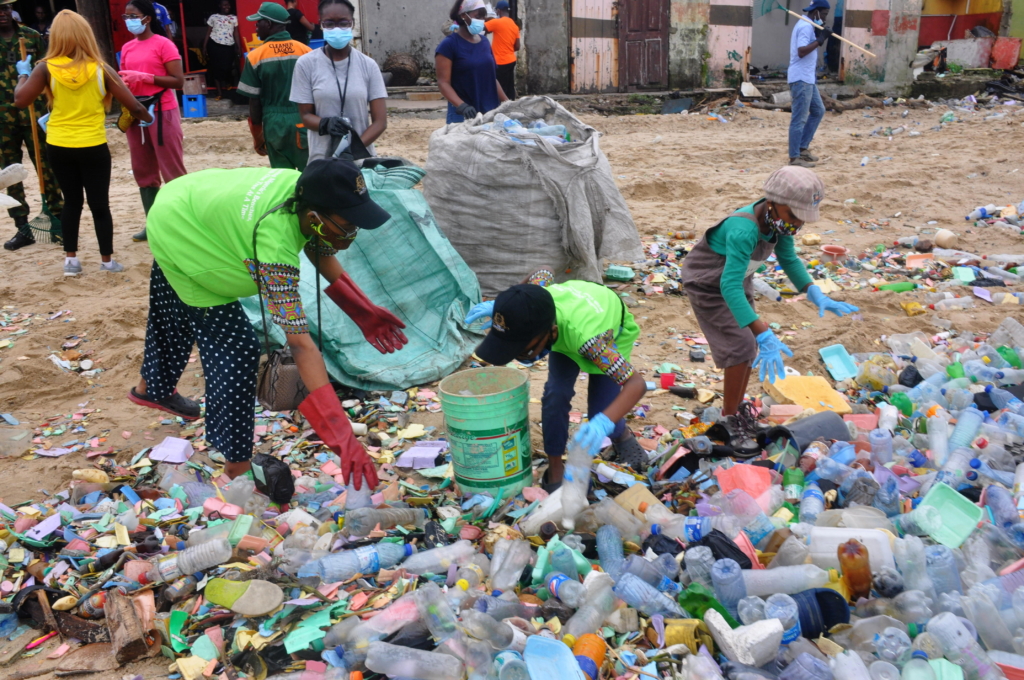
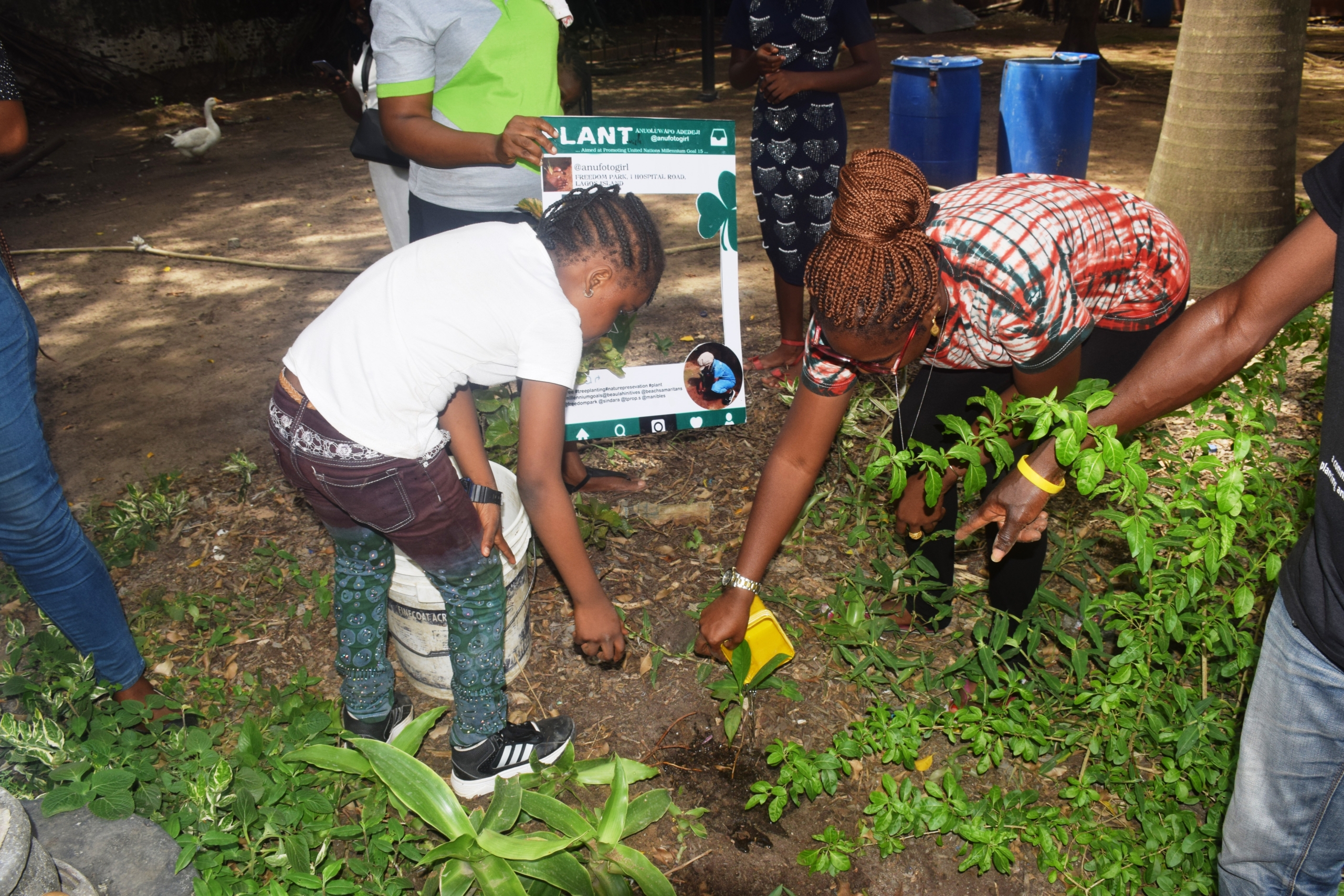
I used my photography to contribute to a better environment by organizing a photo-walk with the theme; climate through the Lens. This helped me to document and have a recycling class using some domestic wastes like paper cartons, and tree planting awareness.

Anuoluwapo Adedeji child photographer in Lagos
What has been the greatest challenge for you doing this noble work that you do for the environment?

The Major challenge is the not having a camera of my own because I use my dads camera for now.

Have there been any significant attention, recognition, or support that you have gotten in trying to tackle this problem? 

Yes, I was recognized as the youngest Beach Samaritan and I also had the opportunity to represent Nigerian Children to speak about the impact of Climate Change on BBC for COP26 Conference 2021.

I use a camera and the pictures I take with it has helped me to encourage other children to understand the effect of climate change on our existence through my photo exhibitions on the effects of climate change.

Anuoluwapo Adedeji
Environmental Photographer

What specific environmental problem bothers you the most and what are you doing or plan to do about it?

Single use of pet bottles and cans is one environmental problem that really bothers me. I will like to create more awareness with my mates to see the reason why they have to recycle to have a befitting environment. I will also be hosting paint and plant by kids as a way to encourage recycling of cans in our community by children.

How have you worked with your peers in achieving your goals towards environmental awareness?

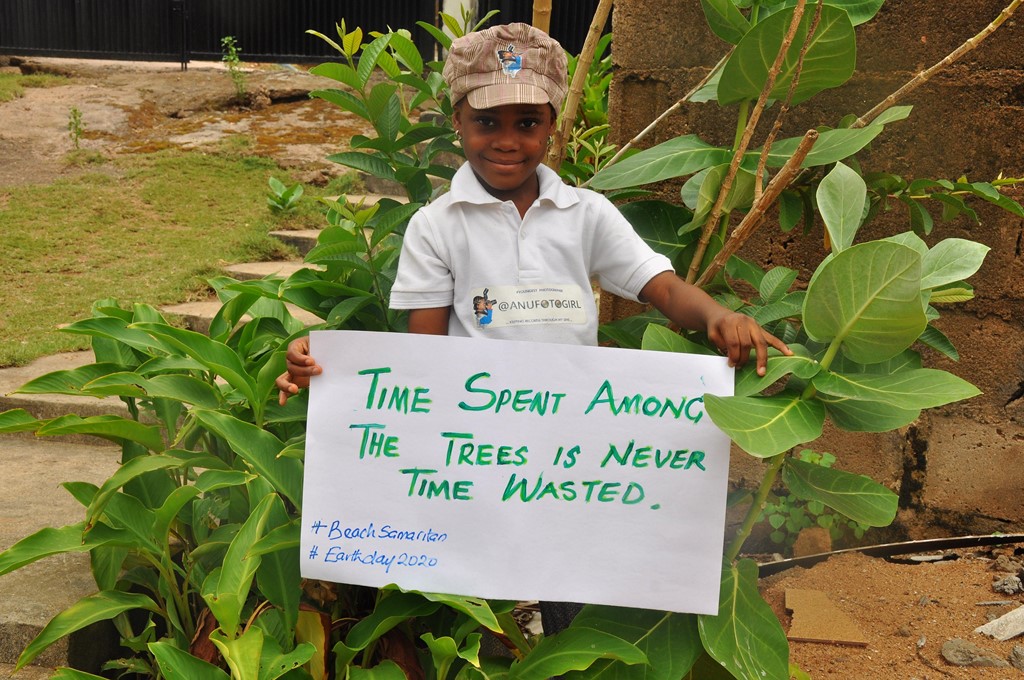
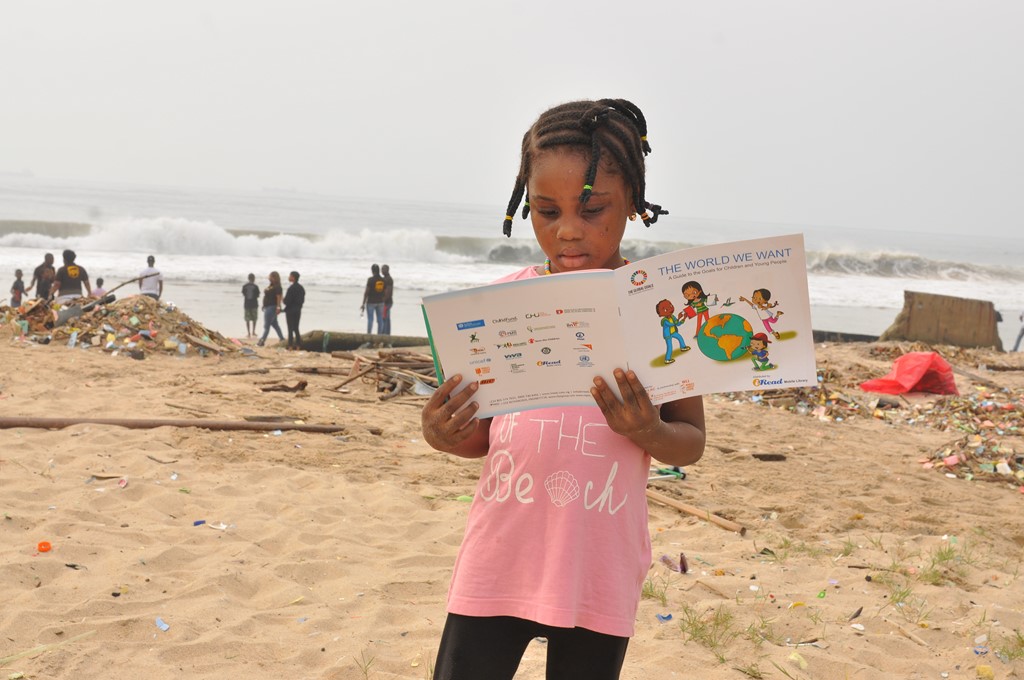
Some of the ways I worked with my peer in achieving my goals towards environmental awareness is through the sharing of a book on climate change for children, through my photo-walk and exhibition of my works and tree planting with my friends on my birthday.

Anuoluwapo Adedeji - child photographer in Lagos Nigeria.

How do you navigate balancing this extra curricular activity with your academics and other important aspects of your life?

My advocacy activities mostly happens on weekends especially Saturdays and Sundays, while Mondays to Fridays are for school activities.

Lastly, what advice would you give to kids and young people about making a positive impact on the environment?

My advice to children is to contribute in taking care of our environment by avoiding littering their community with pet bottles, and nylon. They should start planting trees and flowers in their homes and environment.

Anuoluwapo Adedeji - child photographer in Lagos Nigeria.

Did you enjoy this piece?

If you want to see more of this, feel free to send us a recommendation by filling this form – African Climate Storyteller of the Month. 

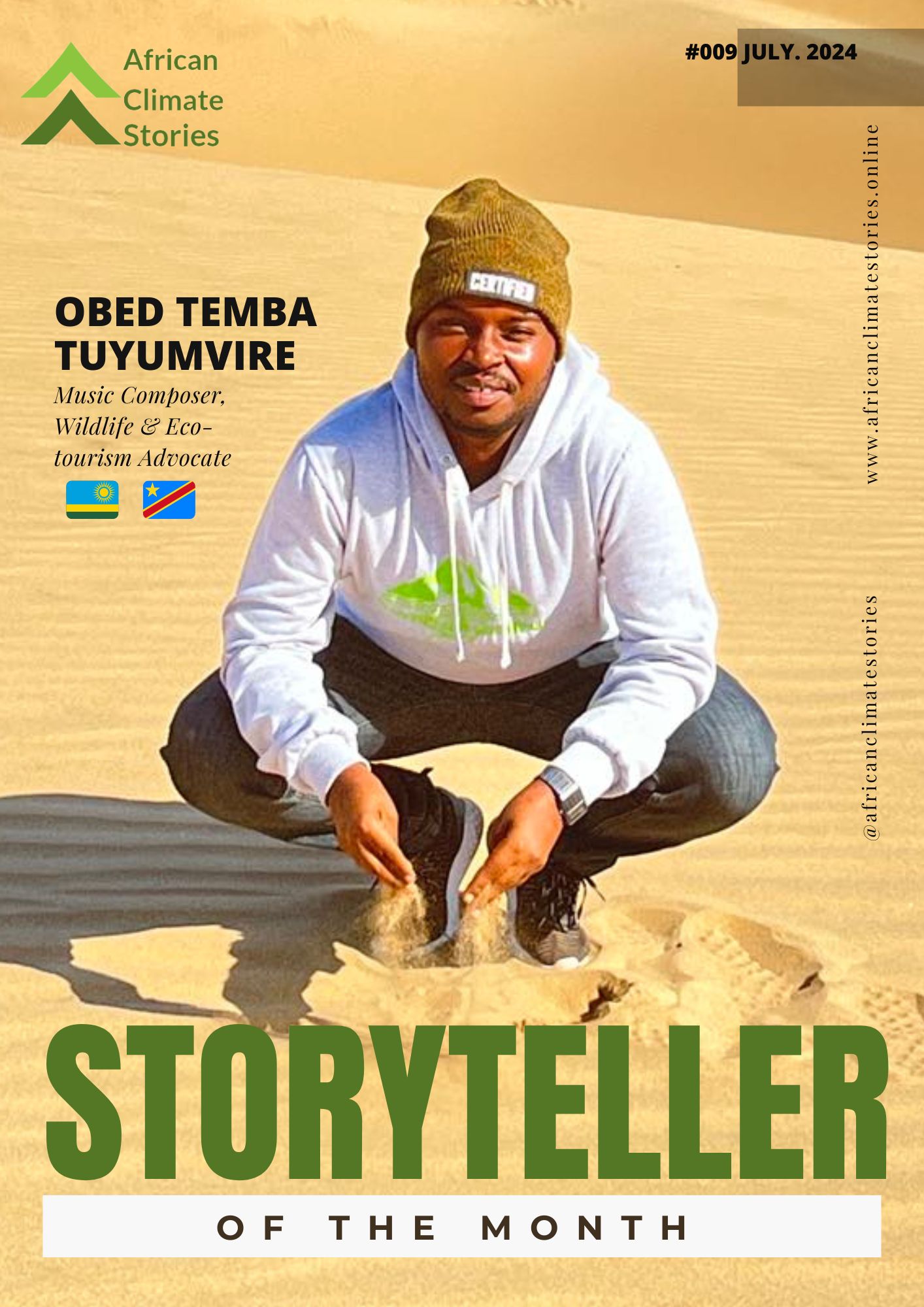
Storyteller of the Month - Q&A with Obed Temba Tuyumvire
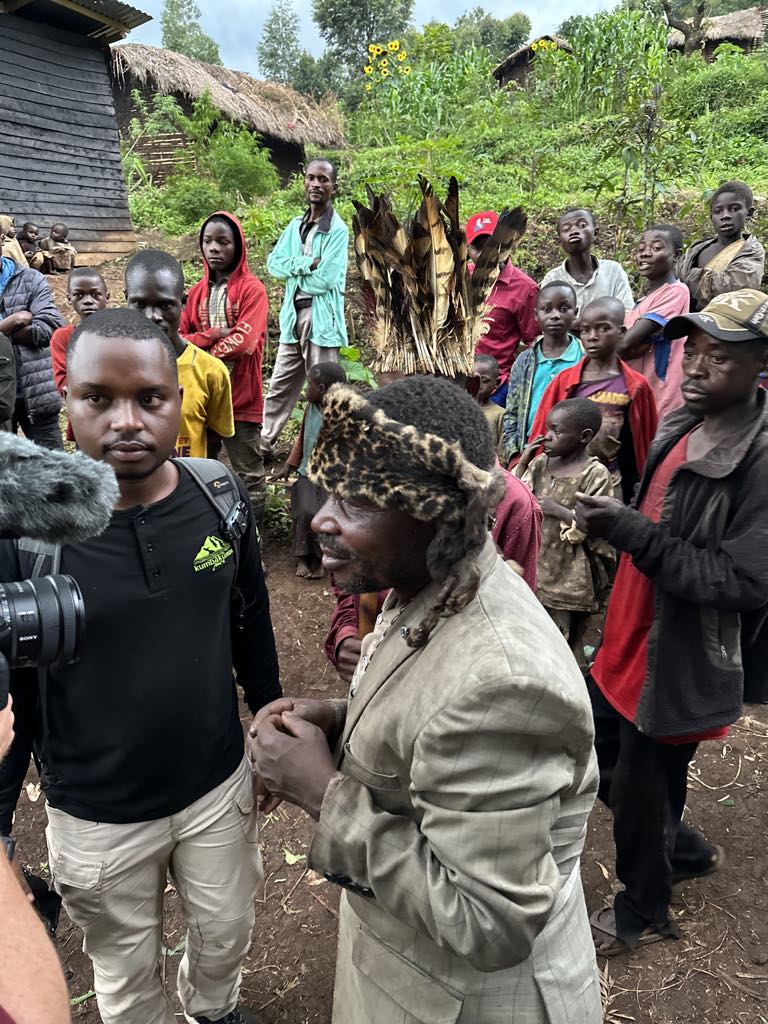
Obed Temba Tuyumvire, African Climate Storyteller of the month

It’s that time of the month again when we share with you our interview with someone using storytelling and some form of creative expression to advocate or create awareness for one environmental issue or the other. This month we went all the way to fine our climate storyteller at the intersection of two African Countries. Obed Temba  Tuyumvire is a national of  the Democratic Republic of Congo living in Rwanda. Follow his story to know why. Let’s dive in…

Who is Obed Temba Tuyumvire and explain to us why we have found you at the intersection of two African countries?

The colonial border lines between the Democratic Republic of Congo, Rwanda and Uganda transformed my mother land into a no-man’s land and divided my family into three different countries citizens. My village was from then engulfed and lost in the first created National Park of Africa, The Virunga National Park. That situation resulted into a serious civil war that pushed my small family into refuge until the massacre of some of my family members by Rwandan genocide perpetrators. My chaotic young life surviving multiple refugee settlements forged me into the resilient man that I am today. I got inspiration from the horrors that my grandfather endured in colonialist Congo. And so after my teenage age, I tried to go back to find the ruined lands but I was kidnapped by modern day rebels whom I later miraculously escaped. From then, I serendipitously met a couple from Illinois who had lost their way in route to Virunga National Park, that forever changed my life. From the ashes of my story, a new beginning emerged for me. From these ruins of a painful past, I preached for a radiant future to the hopeless and do my best to influence my society through different initiatives. I am currently the CEO and founder of Kumbukumbu Tours, – selling Eco-tourist expeditions across Sub-Saharan African countries. In addition, I am also the co-founder and CEO of the Congo Rainforest Fund, a nonprofit NGO conserving and restoring the rich flora and fauna of The Democratic Republic of Congo.

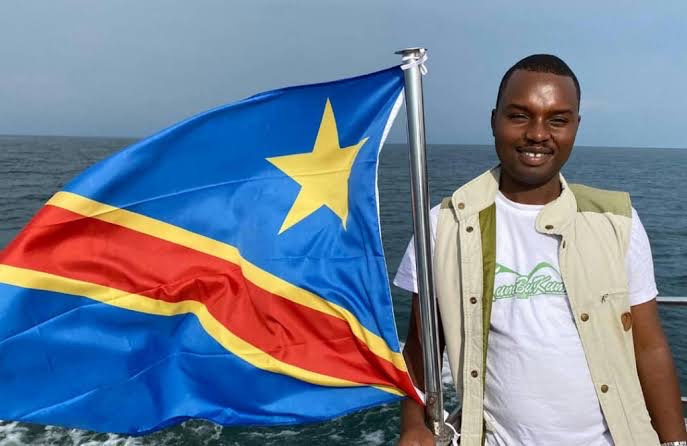
Obed Temba Tuyumvire from the Democratic Republic of Congo

How did surviving multiple refugee settlements shape your perspective on resilience and hope?

Surviving this extreme refugee setback, living more than a decade in a tarpaulin, insufficient in quality and quantity meal taught me to be patient is front of a difficult situation, to endure hours and days of starvation while working hard for a decent mean to celebrate with intense joy. In such life conditions our differences were meaningless. War, poverty and hunger have no ear, no conscience and nor religion my father used to repeat… Without having committed any faults, without any religious, ethnic or economic antecedents, killers came; they brought misery to each and every one in my village…Everyone was affected; tolerance was an automatic value. we all had to survive and transform wound into scars everyday. As an adult, I look at these scars like medallions in a competitive race, in a desperate society.

How do you integrate your personal history and cultural heritage into your business and advocacy work?

The entire time spent in refugee settlements was an occasion for me to learn about the root causes of our misery and my ultimate dream was to find a platform where to tell the details a community story twisted by belligerents at the same time fighting for dignified life. I stepped out as a volunteer guide with an intense motivation. My first visit to the Virunga National Park destroyed by war as a guide confirmed my conviction for this profession. On the ruins of the painful past, I wanted to build a radiant future for myself and my community; It shone in me with hope of belonging to a society of conviviality and respect for the right to a healthy environment.

Obed Temba Tuyumvire and Virunga Mountain Natives

The ashes of this brutal story are the silt that fertilizes my dreams of a peaceful and succulent future, a future without the crackle of bullets or displaced communities. I use these memories of my troubled childhood as a basis for my projects to create a new, equitable society.

Obed Temba Tuyumvire
Music composer &  Environmental justice  and conservation ADVOCATE

Can you tell us more about the Virunga National Park and why it holds such significance for you?

My grand-grandfather Nsana can be the right emblem of the relationship between the wild beasts that inhabited the Virunga Mountains and the natives who lived in harmony with mountain gorillas. Well, at least until the unfortunate arrival of the white man. With the succession of stories including the creation of the Virunga National Park in 1925, my family woven through different dramas that determined the fate of our entire community: the descendants of Nsana, the noble herdsman who first settled in these volcanic mountains at the end of the 18 Century.

From Nsana, Rukurungu—father of Sebahunde – was born. From Sebahunde, Karamira was born, from Karamira, Nduhura was born, the progenitor of my direct grandfather Nshizirungu. The colonial era drove out this herding clan from their land in the Virunga Mountains, marking the beginning of a conflict of sovereignty and identity across the borders of the Democratic Republic of Congo Uganda and Rwanda.  My generation embodies the spirit and the souvenirs of this natural heritage in which volcanoes converge around a magnificent forest populated by a variety of species of animals, particularly mountain gorillas. When the colonists left, this heritage was unfortunately disrupted by an identity crisis that resulted in chronic violence. Repeated massacres caused the displacement of uncountable people. Even now, we still swarm in refugee camps.

Now we (the new generation) have come to realize that there are two kinds of predators: wild animals and wild animals armed with guns.  It is unfortunate that we are losing the powerful testimony of our grandparents that could serve as a model for life: the conviviality between humans and animals.

Obed Temba Tuyumvire, Founder of the Congo Rainforest Fund.

How did your experiences inspire you to start Kumbukumbu Tours and the Congo Rainforest Fund?

The ashes of this brutal story are the silt that fertilizes my dreams of a peaceful and succulent future, a future without the crackle of bullets or displaced communities. I use these memories of my troubled childhood as a basis for my projects to create a new, equitable society. My traditional customs draw on the intrinsic values of the African philosophy of life: we must seek to give peace if we want to gain it. It is necessary for communities around the Virunga Park to overcome the impulse to negate one another, think progress and business. With this freedom and basic right to everyone, we are dreaming to rebuild our destroyed Virungas ecosystem. By owning, keeping and sharing this story I hope to inspire financial investment in the Virunga, whereby tourists can visit the park and be a source of income to be used for protecting its people and environment. Without the contribution of us (the Inhabitants) who live near the park, it is not easy to preserve this universal heritage. The problem of the conservation requires a synergy of good will, effort, and active participation of all actors animated by a sense of ecological wellbeing.

 What inspired the composition of the Gorilla Song, which was recently launched at the Hollywood Climate Summit in Los Angeles and what message do you hope to convey through it?

In a sense of synergy, engaging the entertainment industry in conservation is crucial. Through the Song, I wanted to give a piece of an academic lesson on what is a gorilla, what is this magnificent cousin of us on the way to extinction. The gorilla song is and will remain an asset, a tool, to bring the attention of big crowd and bring an added value to the campaigning efforts.

What role has the Gorilla song played in advocating for endangered species?

 A good number of people learned about them, it was an innovation in the conservation marketing tools. People were educated and will keep it as a memorial to all the efforts invested by several actors to keep these species alive while transcending generations.

What was the experience like launching the Gorilla song at the Hollywood Climate Summit?

Launching the song during the Hollywood Climate Summit was a magic occasion to talk gorilla stories, it was an innovation by its kind. After the last evening of the summit, we took the occasion to invite everyone to the launching venue at one of the spots around Venice Beach next day. Before singing gorillas, I took a good moment to go through my story and the gorilla stories, giving an overview on why they matter a lot. The song was performed by the artist DAVE MUNTNER  and was launched with other similar subjected songs in one Album among them: Dancing with Penguins, and Running with Cheetah, in the honor of other species conservation efforts. My dream is to see the Gorilla song reach a huge audience and even become as popular as “Toto-Africa.”

How do you see the relationship between eco-tourism and environmental conservation in your work?

For me there is no minus between Eco-Tourism and Environmental Conservation. The two are twins, and to sustain and keep our environment, communities need to survive as well.  Tourism as a business is one of the biggest industries that can destroy or sustain our environment, we just need to use it as a tool to empower local communities following the conservation ethics and code. In 2019 the government of Rwanda has used 5.6% from the tourism revenue to build schools, medical centers, clean water infrastructures around the Volcanoes (Virunga in local language) National park. More that 100 poachers have integrated the park rangers in the same park team because tourism has created those job vacation for them.

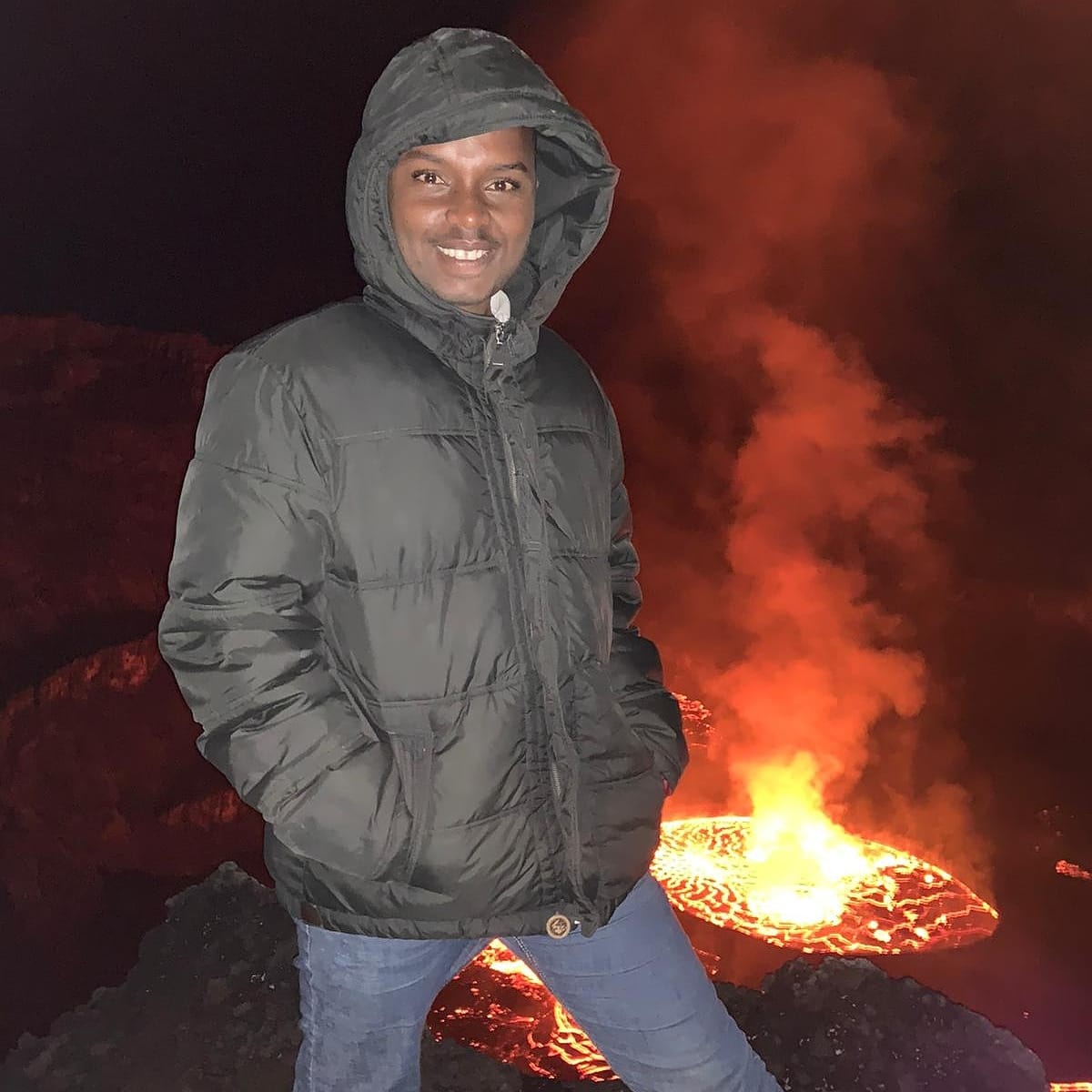
Nyiragongo Crater

What are some of the eco-tourist expeditions offered by Kumbukumbu Tours and what makes them unique?

Yes, one of our most famous expeditions is to explore the Congo Basin within 30 days. The money paid is mostly shared among the very local and remote taxi, restaurant  and home stays, 25% of the budget used to support local schools or build water wells where they need them.

How can people support the Congo Rainforest Fund and get involved in your conservation efforts?

You can get involved to support these projects by:

  •      Adopting a baby gorilla from Kahuzi-Biega National Park
  •      Habituate a wild gorilla family
  •      Supplying park rangers with equipment kit ( shoes, uniform, water bottle, sanitaries…)
  •      Sponsor pygmies community children at school
  •      Sponsoring a clan water well in the neighborhood of Kinshasa
  •      We also seek for partners and sponsors to organize the very first gorilla birthday party in 2025

Can you tell us about any upcoming projects or initiatives you are working on with Kumbukumbu Tours or the Congo Rainforest Fund?

We are working on a big project of research and data analysis on the montane Forest of Itombwe, and Preparing for our Gorilla Birth Day Party.

What advice would you give to other entrepreneurs and advocates looking to combine business with social and environmental impact using creative storytelling?

Your effort and success will only be valued by the impact you  make on your pathway, climate change is real.


We hope you enjoyed this piece.

If you will like to be featured as one of our Climate Storyteller’s of the month or want to recommend a friend? Kindly use this link to indicate interest or share with friends who qualify: African Climate Stories – Storyteller of the Month.

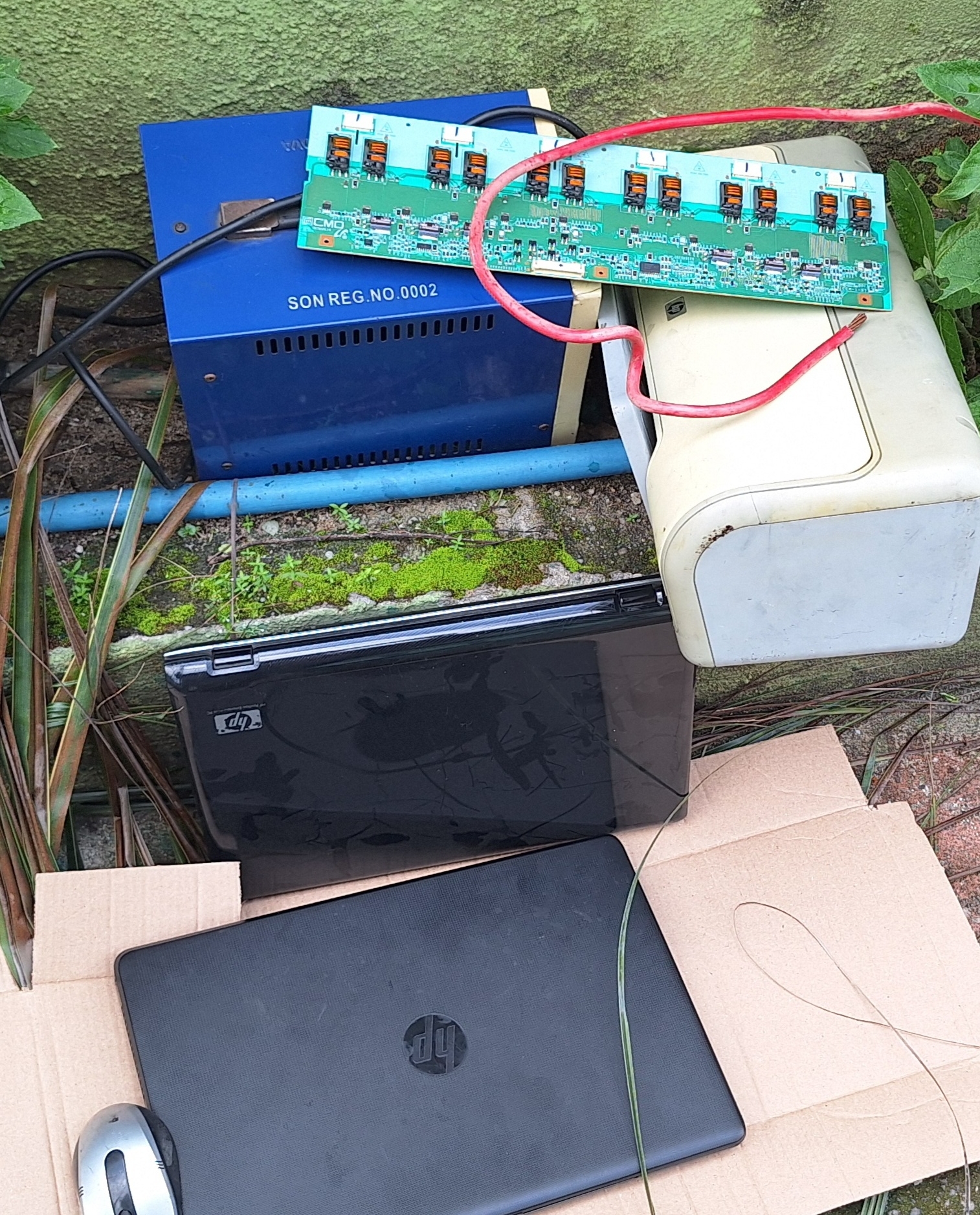
Electronic Waste and Nigeria's Technological Revolution: A call for environmental responsibility

picture of electronic waste by Sally Bonn-Ohiaeriaku

In the early 21st century, the internet solidified its presence in Nigeria. Information and communication technology (ICT) centres, such as cybercafés, sprung up, and desktop computers and other accessories that made ICT easier were imported. A booming market for advanced technological development emerged in Nigeria. As time passed, old-model computers were phased out for newer versions, resulting in a surplus of electronic waste. However, disposal of this electronic waste became a significant problem as people did not know how to properly get rid of it, leading to serious environmental and health issues.

The outdated electronics were irresponsibly dumped in landfills or rivers, leading to significant health and environmental problems and toxic chemicals from the electronic waste leaked into the ground, affecting underground water bodies.

When boreholes are dug near these sources, and people consumed water, or animals exposed to the polluted sources, overtime, the toxins bio-accumulate in organisms and bio-magnify in higher animals, especially in humans, resulting in widespread health issues, including cancer. The environmental microorganisms and biodiversity on the land or in the water were also severely affected.

In response to the environmental and health crisis, individuals and organizations were compelled to learn how to reduce, reuse, and recycle electronic waste and to make more mindful decisions when purchasing electronics. They saw the importance of properly categorizing and disposing of waste through established channels to mitigate the detrimental effects on health and the environment.

The impact of electronic waste in Nigeria’s technological revolution emphasizes the need for responsible disposal and recycling practices to safeguard human health and the environment. This awareness and shift towards responsible waste management practices became crucial after the adverse impact of electronic waste on human health and the environment became evident. It is a reminder to prioritize environmental responsibility and sustainable practices to prevent
further harm to nature and humanity.

BY

SALLY BONN-OHIAERIAKU
GUEST CONTENT Writer

ABOUT THE AUTHOR

Sally-Bonn-Ohiaeriaku

Sally Bonn-Ohiaeriaku (MNES) is a Nigerian environmentalist and has a masters in Natural Resources and Environmental Management from the University of Port Harcourt.  She is also a lover of art and has exhibited her photography works titled “Rhizophora species”  with the BlueHour community, Abuja, to celebrate World Environment Day 2020. She is an active member of the Nigerian Environmental Society, Rivers State Chapter and a Guest Content Writer on African Climate Stories.

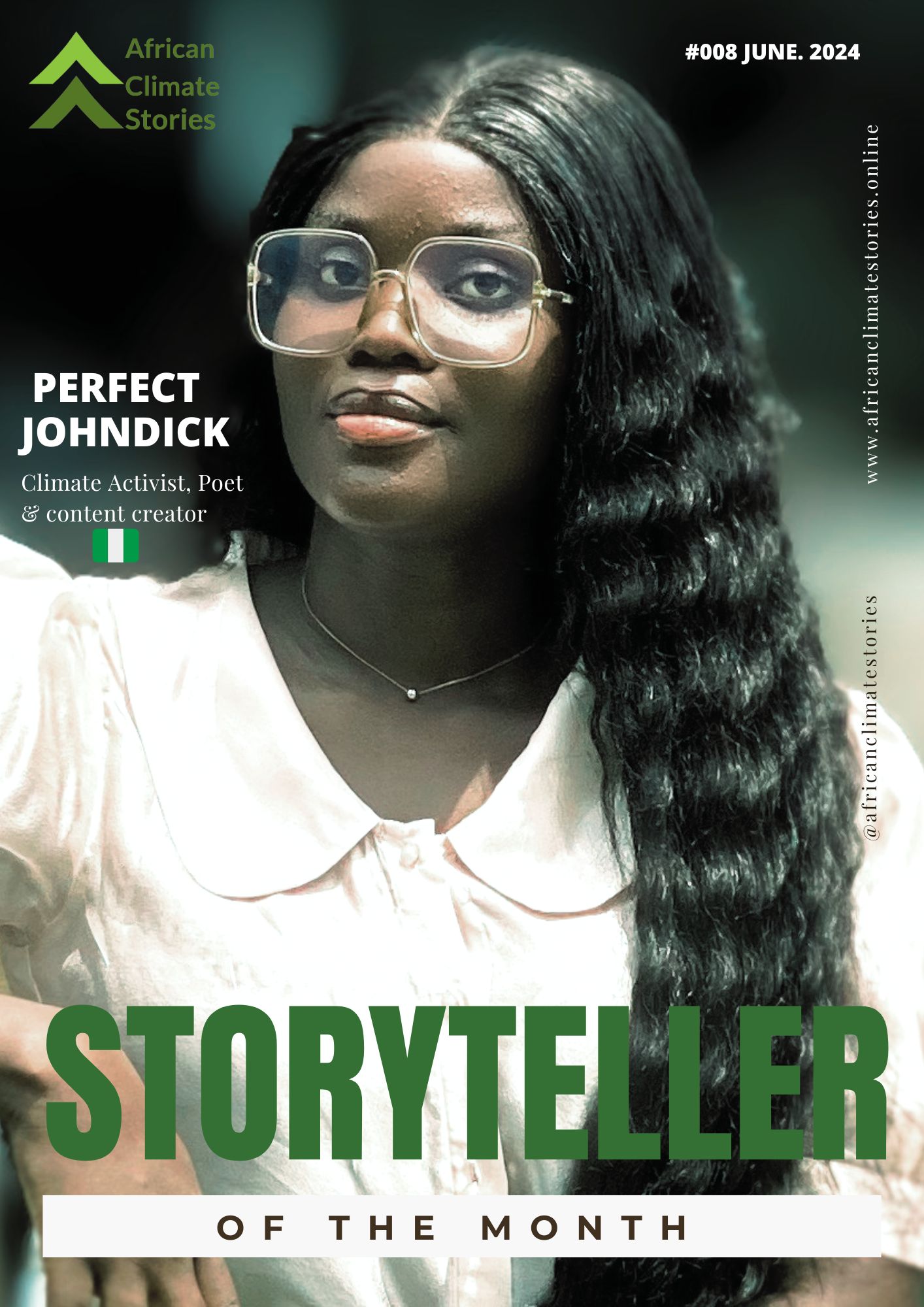
Storyteller of the Month - Q&A with Perfect Johndick Uchawaji
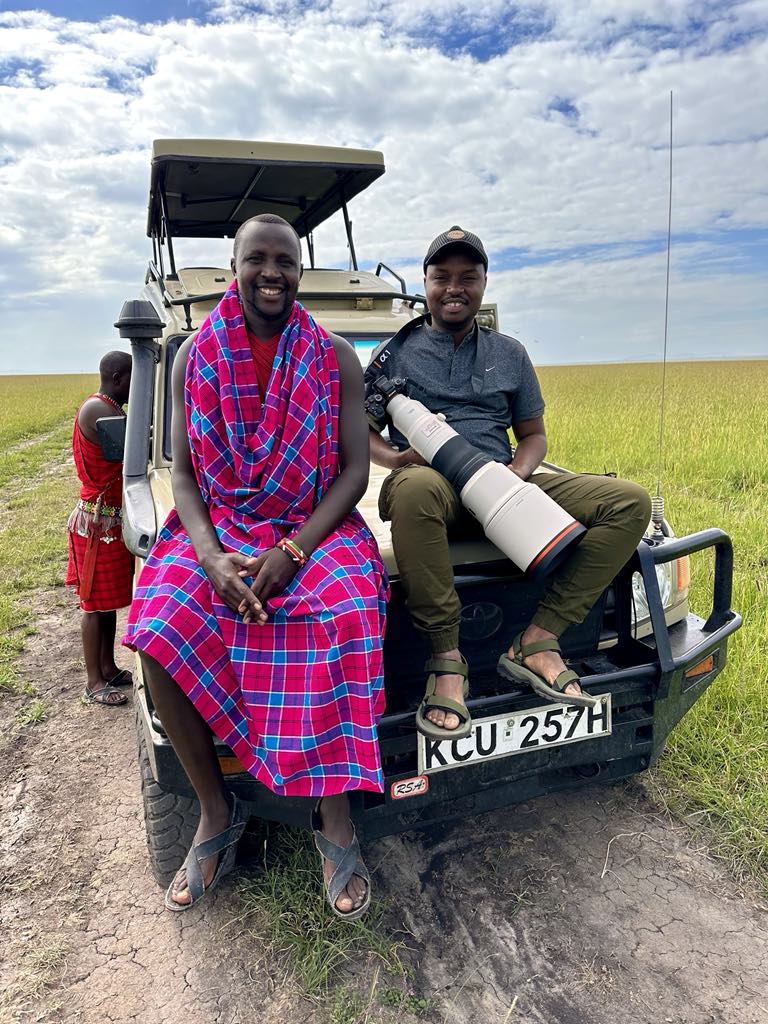
Perfect Johndick Uchawaji - Niger Delta Climate Activist

This month, African Climate Stories features Perfect Johndick Uchawaji, a climate activist, an environmental advocacy content creator, and a 2023 African Climate Stories Fellow. Let’s dive into the inspiring story of this young Nigerian woman who has consistently been a voice to the Niger Delta’s Environmental state.

What personal experiences sparked your passion for climate activism?
As a child, I experienced firsthand the impacts of climate change and environmental hazards ranging from sea level rise, oil pollution, gas flares, polluted waterways, and more. Being the daughter of a clergyman and having to go from one missionary journey to the next in Rivers State, Nigeria, I realized that the issues in the Niger Delta are interconnected, heart wrenching, and profound. Oil spills and gas flares were fixed features in every community we served, and although I thought they were mere eyesores, I started understanding how they have affected standards of living, health, livelihoods, and the environment as I grew up. An example is seeing how fishes were swimming in oil-infested waters and how the sea level rose to our threshold on one of the missions.

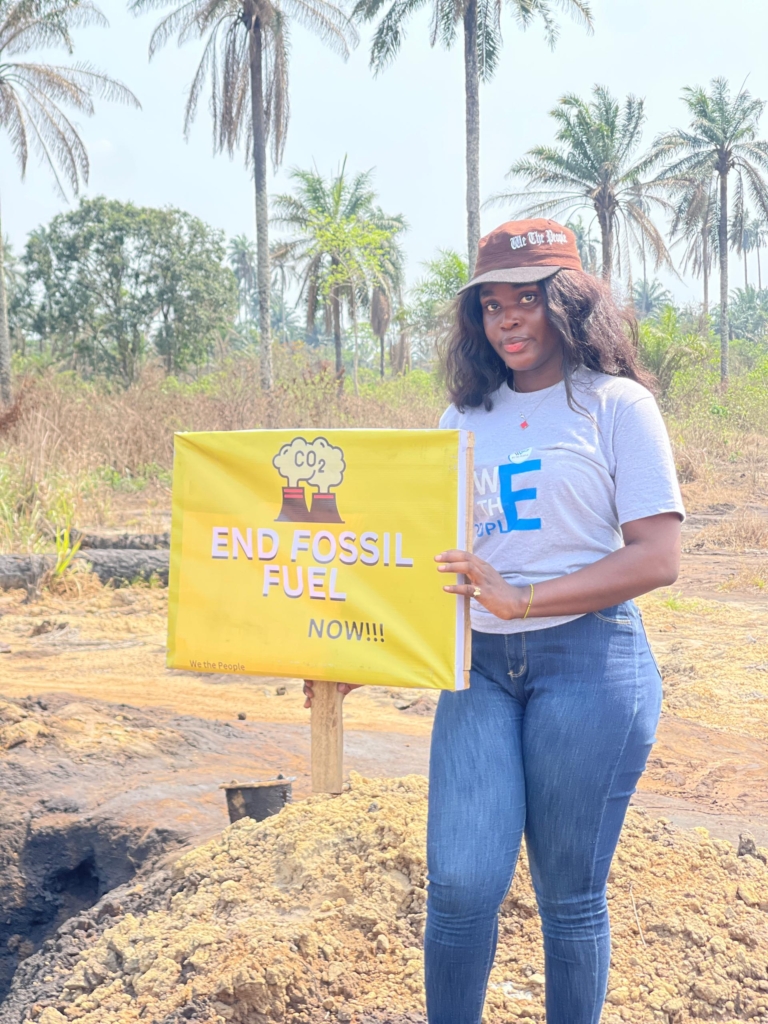
When my brother was diagnosed with asthma because of the constant inhalation of gas flare fumes, I became interested in the campaign against extraction and environmental protection to create awareness of the secret enemy so that more people would not be victims. I have volunteered with three initiatives and presently work with We the People, an NGO in the Niger Delta that engages communities, stakeholders, and policymakers in the fight against climate change, nature commodification, and environmental hazards.

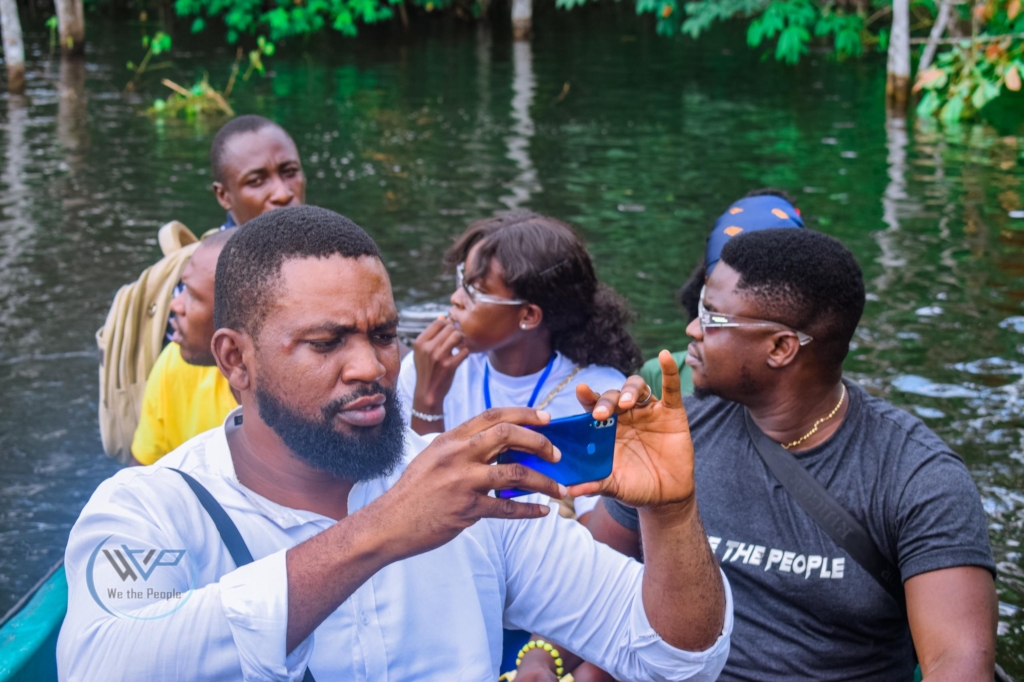
Climate Artivist Perfect Johndick

Being the daughter of a clergyman and having to go from one missionary journey to the next in Rivers State, Nigeria, I realized that the issues in the Niger Delta are interconnected, heart wrenching, and profound. Oil spills and gas flares were fixed features in every community we served, and although I thought they were mere eyesores, I started understanding how they have affected standards of living, health, livelihoods, and the environment as I grew up.

Perfect Johndick
CLIMATE ACTIVIST AND CONTENT CREATOR

How do you believe storytelling has effectively communicated the urgency of climate change and environmental degradation in your community?
I call myself an Artivist realizing that a lot of people are triggered to take action and stand as gatekeepers through storytelling with any form of art. Personal stories from individuals who have directly experienced the impacts of climate change make the issue relatable and urgent. These stories humanize abstract data and statistics, making the consequences of climate change more tangible and inspiring people to take action.

Can you share a specific moment where advocacy efforts that you have been a part of sparked action for climate justice due to speaking out with your stories? 
Working with the Centre for Social Studies and Development (We the People), there have been many instances where we got our stories in the broader media, triggering actions for climate justice. My organisation tells stories of communities living with the harsh realities of climate change impacts, and my role in taking pictures and videos is to tell compelling stories. One of the specific moments where we sparked action was our report titled “Nowhere to Go.” This report tells the story of the harsh living conditions of displaced people, especially women and children, during the flood of 2022. Civil societies rallied around the report as they visited the communities and pushed for more campaigns, workshops, and stakeholder meetings against climate change and how to adapt to the changing living conditions.

What storytelling techniques do you find most impactful in engaging your audience on climate issues?
Documentaries and short explainer videos with B-rolls of footage. People tend to believe what they see more than what is written, so even when I want to tell climate stories in a poem, I try to make it visual for more empathy, reactions, and action.

How do you balance conveying the severity of climate change with inspiring hope and action in your stories? 
After telling heartbreaking stories of the harsh realities of climate change impacts, I always emphasize the need to build resilience. My audience always sees the hope factor when I talk about the need to adapt in the face of a changing climate. Also, the call to action gives the audience the belief that the issues can be curbed, therefore leaving them with hope for the future.

What advice do you have for others looking to use storytelling as a tool for climate advocacy?
I will like to say, for starters, let the stories come from the lived realities of people. If you want to use storytelling as a tool for climate advocacy, it involves knowing your audience, platform and tailoring your narrative to resonate with their concerns and values, making personal stories central to humanize the issue. Balance the urgency of climate change with hope by highlighting solutions and positive outcomes, and enhance your message with visuals and multimedia. Connect global issues to local impacts and actions to make them more immediate, and leverage emotion and empathy to deepen engagement. I try to ensure I end with a clear call to action, and incorporate diverse voices to reflect the universal nature of the crisis, to maintain authenticity.
Have there been any significant attention, recognition, or support that you have gotten for telling your environmental stories? 
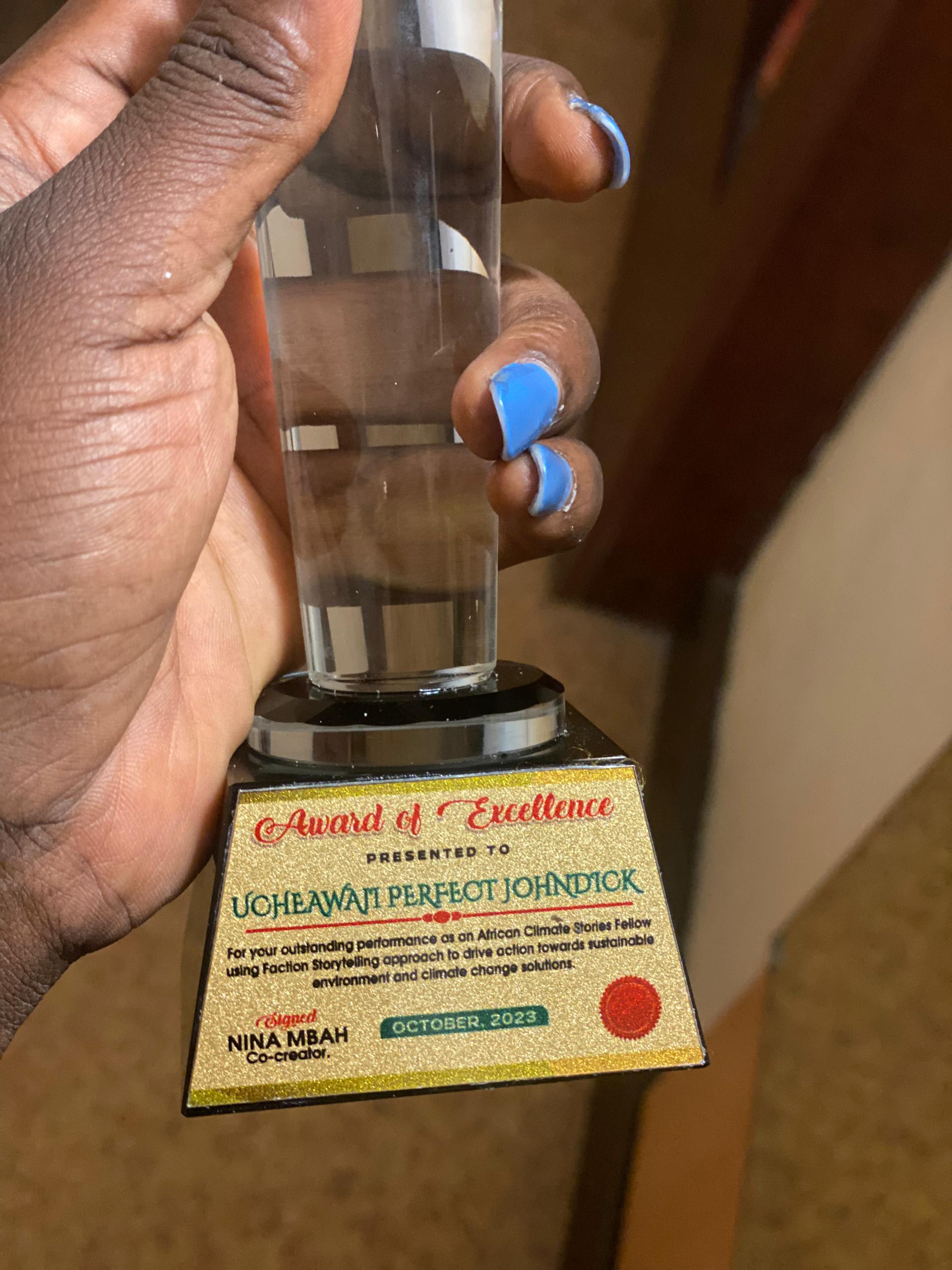
I will start with my most recent award and the support I got from the African Climate Stories Fellowship in October 2023. After a three-month fellowship program on how to  tell climate stories, I received an award for my outstanding performance using a faction to drive climate action towards a more sustainable environment and climate change solutions. But the first award I got from telling climate stories was in 2021 from the ‘Health of Mother Earth Foundation’, where I won the first prize for the best article from a learning session called “Learning from the Wise.” I also got the online United Nations Green Award for my climate advocacy.

What role do diverse voices and perspectives play in effective climate storytelling? 
Personally, I believe that diverse voices and perspectives in climate storytelling are crucial for ensuring inclusivity, building trust, uncovering innovative solutions, engaging broader audiences, highlighting inequalities, sharing adaptation strategies, and fostering empathy—all of which ultimately drive meaningful action against climate change. It is also effective to connect global and local experiences

What advice do you have for young people who want to venture into environmental and climate change storytelling? 
My involvement with activism generally began during my university undergraduate years, where I started to volunteer with organizations to address human and environmental rights. So I would say, start from where you are by volunteering to understand your skills and strengths to know how to leverage them. But also, while you can emulate other people, do not copy them; stories should be told as naturally as possible. Secondly, look for innovative ways to bring your stories to the public. Finally, be consistent; this will help build more trust and amplify your stories to a broader audience. Thank you!

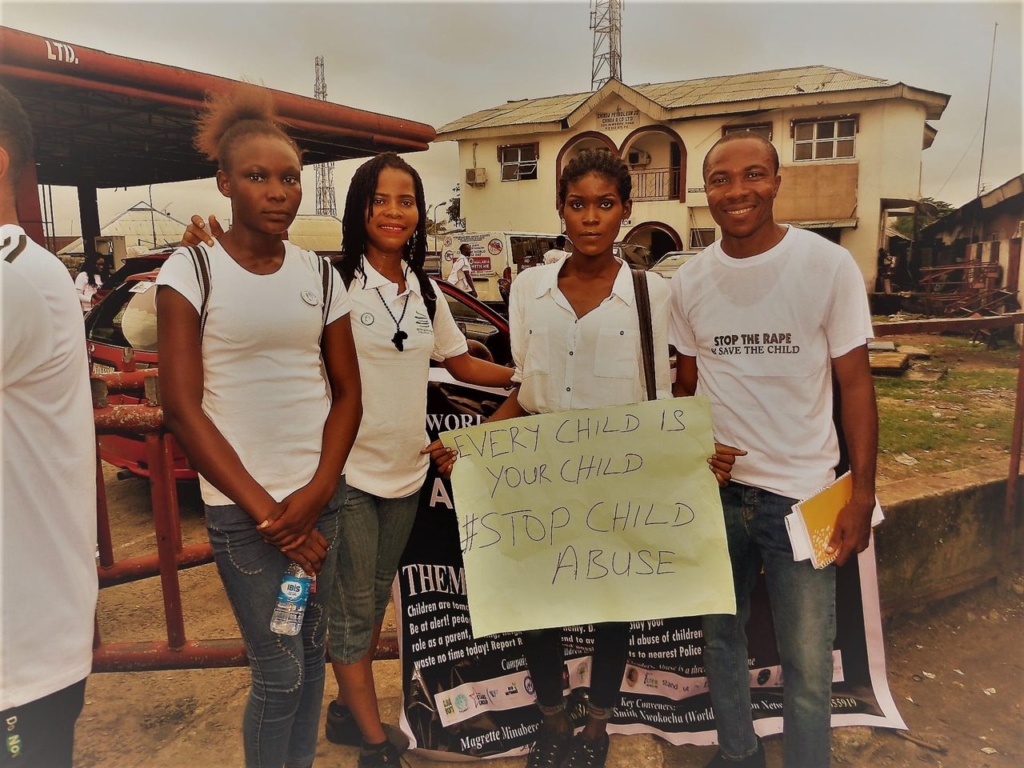
Perfect Johndick and Niger Delta Student Activist

To connect with Perfect Johndick use this link

Use this link to share your story with us to be featured as our next Climate Storyteller of the month https://forms.gle/k63zFBsaTTAydfMQA  

Storyteller of the Month – Q&A with Sidney Opiyo
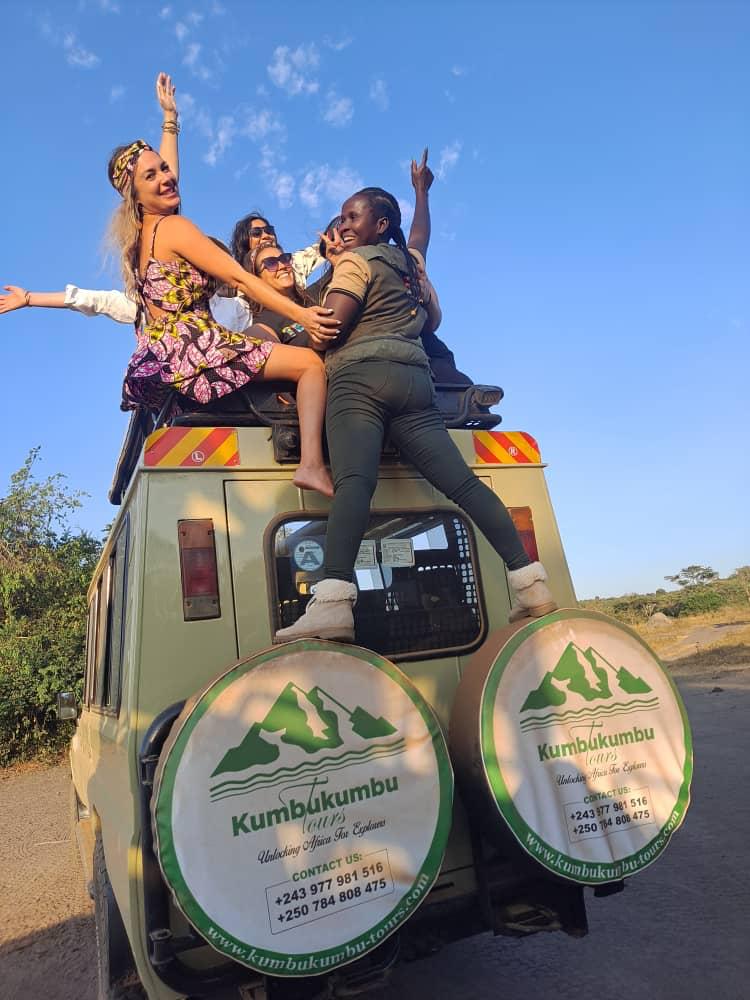
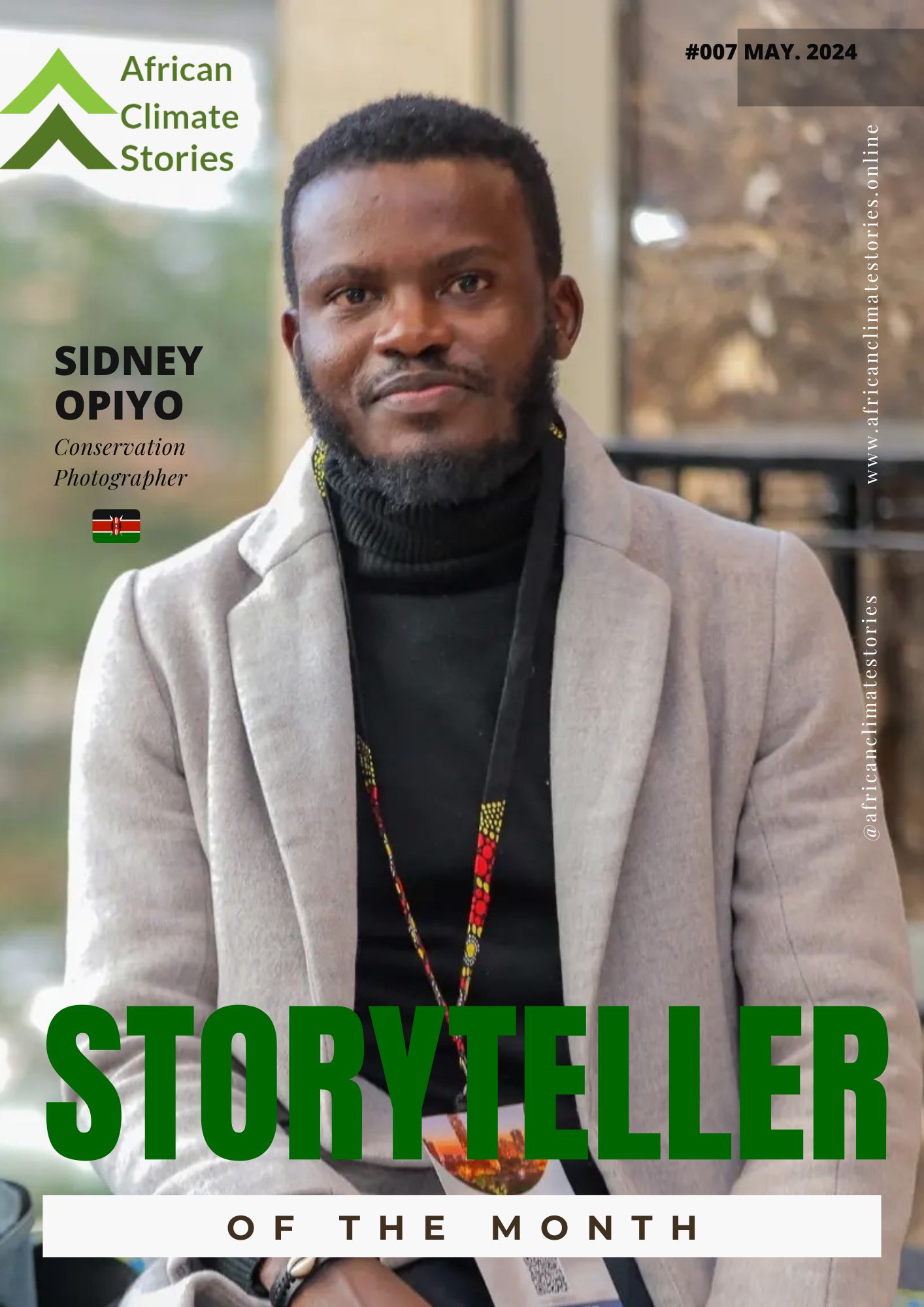
Sidney Opiyo - Conservation Photographer in Kenya.

This month of May, we get to feature a climate storyteller from Nairobi, Kenya who is using photography for advocacy on wildlife conservation. Let’s get to meet him.

Who is Sidney Opiyo?

Sidney Opiyo is a Kenyan-born Environmental Scientist, climate activist, and conservation photographer/storyteller with experience in conservation and environmental impact projects. Recognized as a conservation leader, Sidney is deeply passionate about collaborating with young people to tackle disproportionate environmental challenges and enhance inclusion in policy and conservation spaces. With a professional background in Environmental Science and a minor in Community Development, Sidney actively advocates for meaningful youth engagement in Climate action. Through his work, Sidney focuses on conservation education and storytelling, utilizing impactful narratives to shed light on the challenges faced by minority groups and grassroots communities concerning biodiversity conservation and climate change. His stories serve as powerful tools for empowering communities and young people, helping them understand the direct impacts of their decisions and actions on the environment. He runs the Shades of Green a platform dedicated to amplifying community voices in Kenya and Africa by leveraging visual storytelling to raise awareness about climate change and environmental issues. He is currently a post-graduate student at the University of California, Santa Cruz pursuing an MSc in Coastal Science and Policy.

What led you to conservation photography? 
For the longest time, I have been a storyteller through writing and blogging. So, photography for me, became a tool for amplifying the stories that I have wanted to tell. When I got to campus to study environmental science, I got the challenge and asked myself how I can break down some of these complex science jargons into simple language that people at all levels can understand and, in the process, create awareness on conservation and climate issues. At the same time, I wanted to amplify the voices of young people and local communities who are involved in conservation through their various initiatives but are often not recognized when having conservation dialogues in various spaces.

Your work as a conservation photographer and storyteller is captivating. Can you share a memorable experience where your photography or storytelling made a significant impact on raising awareness about climate change or environmental issues?
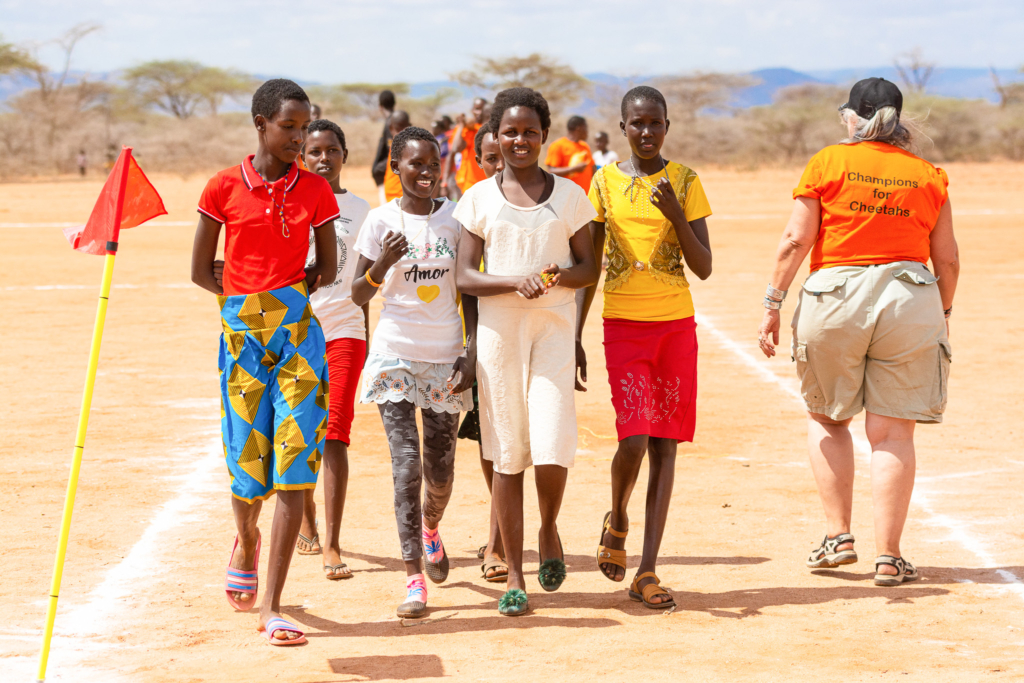
My most memorable experience was when I worked with Action for Cheetahs in Kenya in 2022 where my role involved documenting their conservation work. The organization promotes the conservation of cheetahs through research, awareness, and community participation in Kenya. Part of what they do is celebrate the World Cheetah Day every October, which is what I had gone to cover in the Northern part of Kenya. Through my photography work, I was able to tell the story of the work of Action for Cheetahs in Kenya through pictorials in not only creating opportunities for locals in cheetah conservation work, but also how the organization has created harmony within the community in Northern Kenya and the welfare of cheetahs within the community. It was beautiful documenting the communities in action for cheetahs through games, trainings, workshops and conversations to understand why and how they can protect the cheetahs.

'Shades of Green' is a community conservation organisation founded by Sydney Opiyo in Kenya.

‘Champions for Cheetahs’ project as captured by Sidney Opiyo

“Shades of Green” sounds like an incredible platform. How did you come up with the idea, and what inspired you to leverage visual storytelling specifically to amplify community voices in Kenya and Africa?
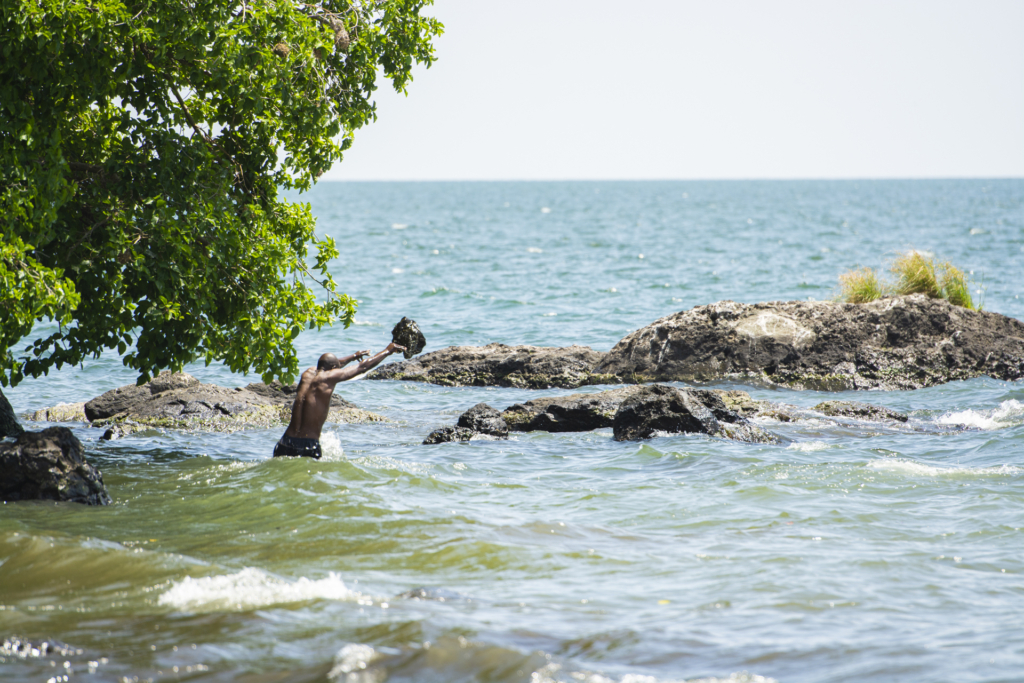
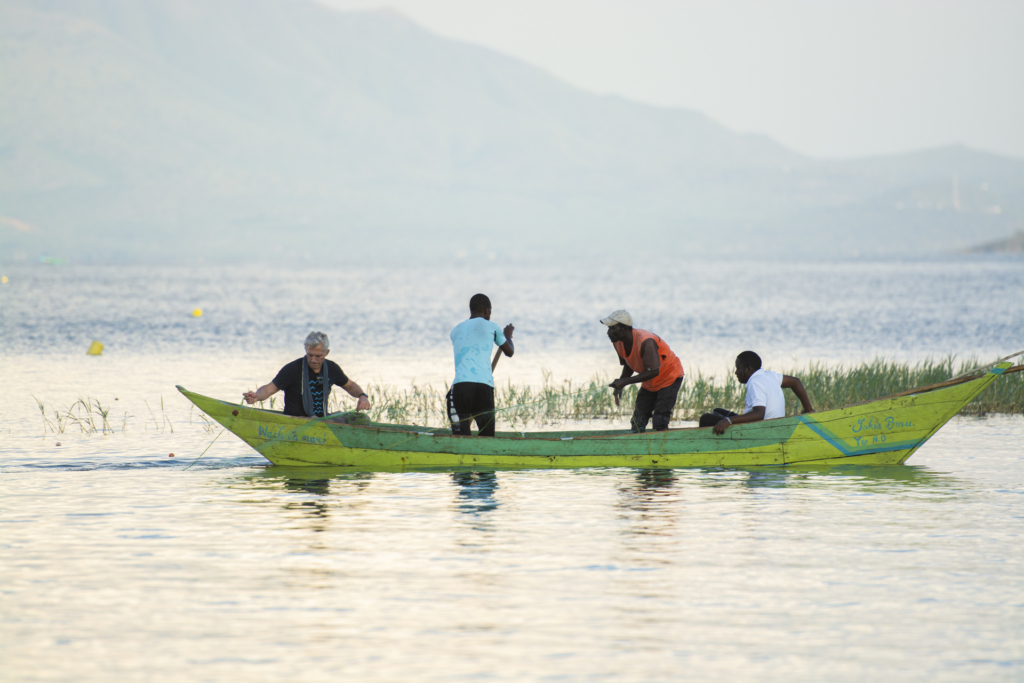
Growing up on the shores of Lake Victoria on Mfangano Island, Kenya, I witnessed firsthand the profound impacts of climate change on my community. The declining fish stocks, rising water levels, and the invasion of hippos wreaked havoc on our traditional way of life. These challenges fueled my desire for environmental conservation using photography as a medium of change. This led to the development of Shades of Green, which is a platform where I use conservation photography and storytelling to shed light on community-led conservation efforts. What drives me is the belief that the stories of marginalized groups—the local community, youth, women, and indigenous people—are crucial narratives that must be heard. These stories not only highlight the socio-political dynamics of conservation but also underscore the strengths and barriers within these inequalities.

Fish breeding ground captured by Sydney Opiyo. Kenyan wildlife conservation photographer

Fish breeding ground captured by conservation photographer, Sidney Opiyo

What drives me is the belief that the stories of marginalized groups—the local community, youth, women, and indigenous people—are crucial narratives that must be heard. 

Sidney Opiyo
CONSERVATION Photographer 

In your opinion, how does storytelling contribute to empowering communities and young people in understanding the direct impacts of their decisions and actions on the environment?
I am driven by my belief in the profound impact of visual storytelling. Photography, for me, is more than just capturing moments; it’s a medium for change, connecting people with nature, and inspiring behavioral shifts that echo through generations. We are visual beings. For example, being able to see a place is much different from hearing about it. You can hear a sound byte and not understand anything about it but if you see a photo, it suddenly means something to you, and you develop a relationship with it. That is the role of conservation photography and storytelling. I believe in the deep impact of powerful visual storytelling and how these stories are, in raising awareness and gaining support for conservation and action for climate change. Photography helps connect people and nature to catalyze behavioral change that will have a lasting impact on the environment.

You mentioned focusing on shedding light on challenges faced by minority groups and grassroots communities in biodiversity conservation and climate change. Can you elaborate on a specific project or story where you addressed these challenges through your photography and storytelling?
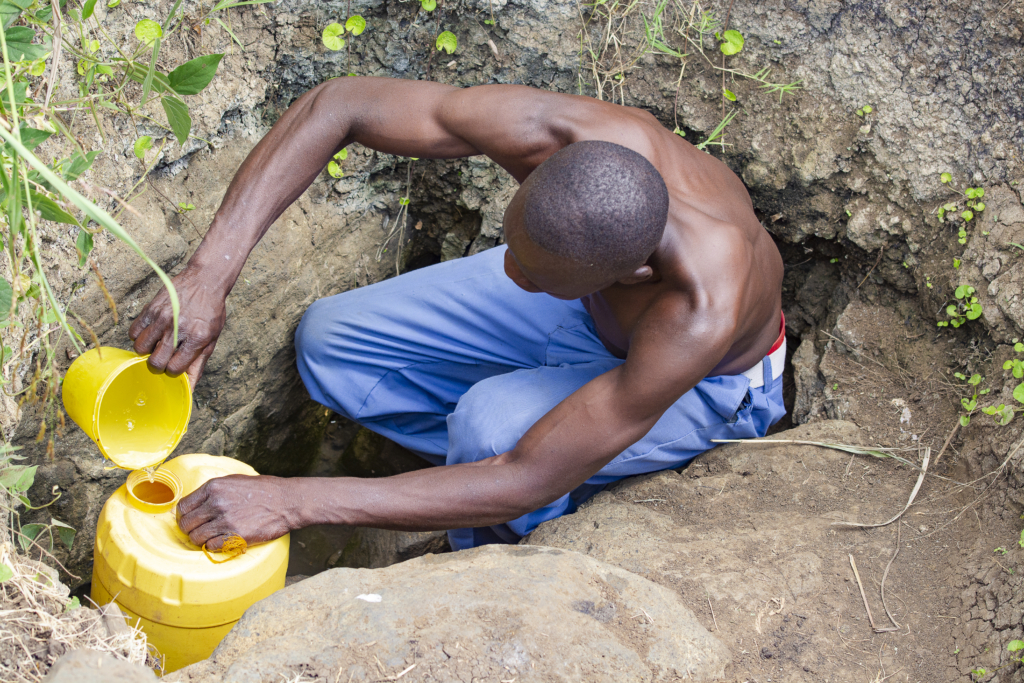
Marginalization of certain groups like women, youth, grassroot communities and indigenous people in conservation is real. I am from one of the smallest communities in Kenya – the Suba Community. During the corona virus, myself, together with other community members co-founded a community-based organization called Train My Generation CBO where I am responsible for conservation projects spearheaded by the organization. Priority for me has been creating awareness on environmental issues within my community, on Mfangano Island, Kenya. Storytelling and photography have been important in highlighting the challenges within the lake. Having been already disadvantaged geographically and detached from various social and economic services, storytelling has been important in highlighting the different challenges within the community and also rallying for partnerships to support efforts in conserving not only the island but also the bordering Lake Victoria.

As a conservation leader, how do you envision meaningful youth engagement in climate action? And how do you incorporate this vision into your advocacy work and storytelling efforts?
I am privileged to be a youth but also that most of my work for the last few years has been with the youth especially in learning institutions. I am proud to say that the youth are currently doing amazing work in the conservation space. They have actually taken initiative and are acting to secure their future and the future of their offspring today. This is bound to sharply increase as the youth actively realize that their future is in their hands and most importantly that they make the largest population of very many countries. This means that they have the power to create meaningful change. My work as a storyteller is to advance their work through amplifying their voices and getting the work that they do get noticed out there particularly the amazing work, innovations and inventions that they are making especially within the climate change and environmental conservation space.

Transitioning to your academic pursuits, how do you see your studies in Coastal Science and Policy complementing your work in conservation photography and storytelling?
Coastal Science and Policy will be helpful in understanding the work and efforts that goes into policy work in protecting oceans but also freshwater ecosystems. In understanding policies within ocean conservation and coastal regions, it will help shape the storytelling and science communication efforts that support such causes.

Can you share some insights into how your professional background in Environmental Science and Community Development influences your approach to conservation photography and storytelling?
My background in Environmental Science and Community Development has greatly influenced my work in conservation photography and storytelling. My understanding of various environmental issues has been important in helping break down some of these complex science jargons and making them easily understandable. This background has also helped me understand conservation issues in the context of communities as well as the efforts that these communities are already making to adapt and mitigate some of these challenges of the environment. In understanding this, with my science background, I then can now tell science stories that have communities at the centre. I am able to tell community-centred science stories because the communities are not only the beneficiaries of the stories but also the characters within the stories and the changemakers who make conservation work. This is not just negative stories but stories of hope, stories of a better future, stories that inspire communities to take action for the present and the future.

What are some of the key messages or themes you aim to convey through your photography and storytelling, particularly concerning climate change and environmental issues?
Through my conservation photography, I highlight different issues. For example, human-wildlife conflict in the context of climate change, marginalization of certain groups like women, youth and indigenous people in conservation in climate conversation spaces, highlighting stories on climate change particularly climate justice, mitigation and adaptation and most recently, loss and damage.

How do you navigate the balance between raising awareness about environmental challenges and inspiring hope or action through your storytelling and photography?
I aim to highlight and raise awareness on the effectiveness of human-centered conservation and tell local conservation stories highlighting both the challenges but mostly highlighting the efforts that young people, women and local communities and indigenous people are putting in conservation, climate change through adaptation and mitigation. The goal is to inspire action. In documenting these conservation stories and efforts, these become testaments, bridging the gap between reality, understanding, reminding us that in the face of adversity, compassion can ignite change.

Lastly, what advice would you give to aspiring conservation photographers and storytellers who are passionate about making a positive impact on the environment and communities through their work?
My advice to aspiring photographers is to invest in telling authentic stories. This can be
through doing research, also learning from people who have been ahead in the game but
mostly genuinely connecting with the communities whose stories you are telling and allow
them to tell their stories as they are.

Sidney Opiyo - Conservation Photographer in Kenya.

To connect with Sidney use this link 

Use this link to share your story with us to be featured as our next Climate Storyteller of the month https://forms.gle/k63zFBsaTTAydfMQA  

Thabo the Sea Turtle

The story of Thabo the sea Turtle by Priscilla Ibadin

The Serengeti, a place where lions roar, elephants trumpet, and wild beasts thunder, with towering ancient oak, gnarled branches reaching towards the heavens like outstretched arms. However, there lay a hidden secret that only those attuned to nature could perceive.

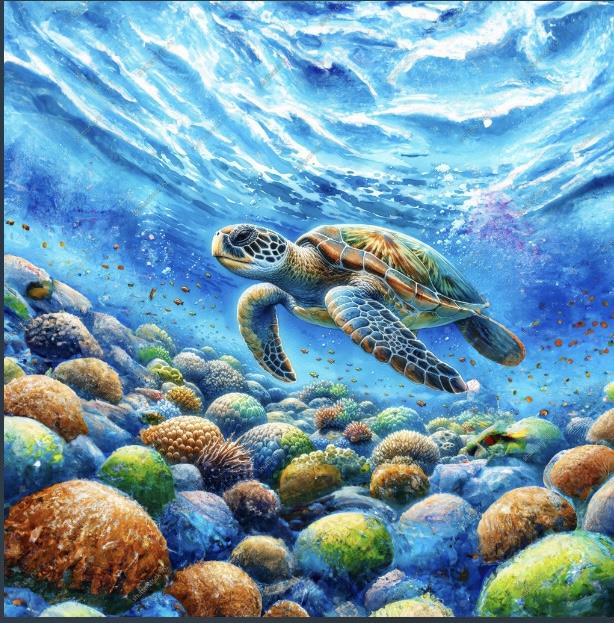
Beneath the waves, lived an old green sea turtle named Thabo, who had roamed the oceans for decades, with age comes wisdom and Thabo had witnessed firsthand the wonders and challenges of marine life.

Thabo had seen the ocean change over the years, from the bustling coral reefs teeming with life to the barren stretches of seabed ravaged by pollution and overfishing she watched as human activities encroached upon the pristine beaches where she and her kind had nested for generations. Thabo glides gracefully through the crystal-clear waters, encountering a tangled mass of plastic debris drifting lazily on the surface of her home. The once-pristine ocean was now littered with trash—discarded bottles, bags, and other debris that posed a grave threat. Along the way, she encountered countless other sea creatures who had fallen victim to the scourge of human pollution.

Thabo soon realized that pollution was just one of many threats facing her beloved ocean home. Habitat destruction, climate change, illegal trade, bycatch, and boat strikes—all posed grave dangers to the delicate balance of life beneath the waves. Poachers continued to target sea turtles and their eggs, despite the laws put in place to protect them. Fishing fleets cast their nets indiscriminately, ensnaring sea turtles in their deadly embrace. And the relentless march of coastal development threatened to destroy what little remained of their natural habitat. How then can Thabo’s family be conserved?

 
Poem
Wildlife sees Man as a walking beast, 
Who visits only when he needs to feast
Beneath the seas and upon the air, 
Man only causes fear.

Behold the sea turtle ancient and wise, 
With a shell that glitters under the skies,
to human ears, their language may seem,

Like whispers in a tranquil dream,
Amidst the reefs and forest of kelp, 
They find solace with the oceans help, 
Foraging for food with graceful glide, 
Their survival dependent on the oceans tide.
The message is clear,
A cry for help, a plea sincere.

Priscilla Ibadin - Guest Content Writer on African Climate Stories

Priscilla Ibadin

Guest Content Writer on African Climate Stories.
About the Author

Priscilla Ibadin is an ocean science communicator and marine superhero who bridges the gap between complex science concepts, and the local public through research and outreach projects. Without a cape, she uses her passion for the ocean to inspire and educate others about its wonders and the importance of conservation.

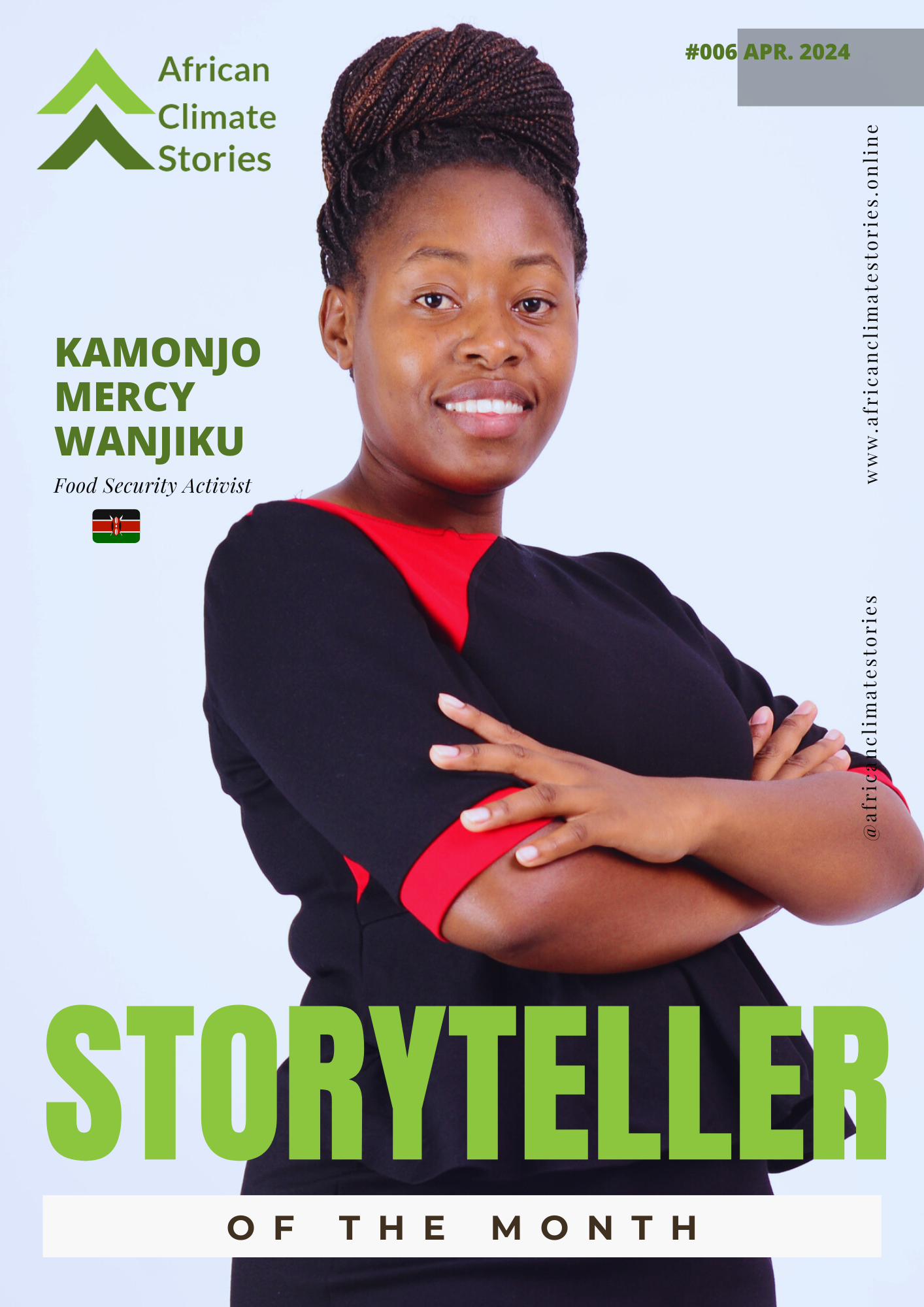
Storyteller of the Month - Q&A with Kamonjo Mercy Wanjiku
Kamonjo Mercy Wanjiku - African Climate Stories - Storyteller of the month

Our Storyteller of the Month of April is Kamonjo Mercy Wanjiku from Kenya. Let’s get to meet her.
Who is Kamonjo Mercy Wanjiku?
I am a sustainability expert, food security activist and founder of Kuza Generation Initiative. A non-profit organization that works with grassroot communities most vulnerable to the impacts of climate change to create resilience and build adaptability to these severe impacts. I am an advocate for social development and most importantly women and girls empowerment especially since I am a result of someone holding my hand as well. Therefore, I believe that for a nation to be productive, its women and girls have to be empowered greatly.

What personal experiences sparked your passion for environmental advocacy?
Growing up in an agricultural viable region, Nakuru County, had me privileged with readily available food products. My parents, although subsistent farmers, could segregate some surplus produce which they could sell to our neighbors or to the market. For decades, we depended wholly on our farm produce until a season when the agricultural produce dropped significantly that we could barely have enough to sustain our family of four. In the quest to understand the causes of our new food shortage reality, I could asked my mom numerous questions and she shared that farming is like gambling, you can never know your reward until the end of the game. It was the first time experiencing extreme food shortage and the fact that it could have been just a bad season didn’t seem to calm my curiosity. This season stood out and set me on a course to pursue the answers that I so needed.

How do you believe storytelling can effectively communicate the urgency of the environmental problems facing Kenya?
Storytelling helps paint the actual picture of the realities that grassroot communities are facing. It acts as a visual connector, the different forms of storytelling help one put themselves in their exact shoes’ and realize just how dire their situation is for immediate action. According to the Kenya National Bureau of Statistics, only about 33% of my people have access to internet and of this, majority are located in the urban areas. Placing storytelling as one of the most effective mode of information sharing from generation to generation. Storytelling enables us connect with those in different counties experiencing different climatic conditions, for instance, a person in the rift valley can connect with the communities in coastal areas through story telling. This, if taken in to considerable account greatly enables policy makers across the diverse regions make viable decisions regarding the different spectrum of regional boundaries.

Can you share a specific moment where you witnessed the impact of the environmental issue that inspired your commitment to act?
In 2015, while volunteering for a Non-Governmental Organization (NGO), I got the privilege of visiting Kajiado County, an arid and semi-arid area located south of the capital city. During this field work, I got to see how communities were struggling to provide for their families on a daily basis. This was as a result of the drought that had unfolded that and the previous year. Ms. Esther, a single mother of four was struggling to provide for her kids and it is mostly at that moment that the urge to be part of her food security needs was mostly sparked. With extensive research, I realized Ms. Esther’s situation was not in solitude but a shared narrative across numerous households. Many would even miss a meal or two having only one meal a day due to the devastating
drought that had ravaged the community. This being a predominantly pastoral community, their livestock had died due to lack of pasture and water scarcity. These new realities that taught and created a great desire in me. For us to have healthy and productive communities, the environment in which we acquire our resources has to be protected first. People who work with Indigo Productions have something important to say. We enable them to say it in engaging and persuasive ways. We make their message compelling and relatable to their specific audience through creative storytelling and dynamic video production.

What storytelling techniques do you find most impactful in engaging your audience on environmental issues?
Combination of photography and use of infographic is a technique that I find useful. This is especially because my audience can clearly visualize the image I seek to communicate. Short stories help narrate the progress of a project from a concept to implementation for a resourceful outcome.

How do you balance conveying the severity of this environmental problem with inspiring hope and action in your stories?
Emma Goldman quotes ‘The most violent enemy in the society is ignorance’. When communities understand the environmental problems they are facing, it would be lethal to ignore. It is only when communities realize the problems they are facing that they can come up with solutions. In fact, realizing these environmental problems is the first step to solving them. Conveying this to the society is key in ensuring that we remain on course of building a resilience and adaptation plan. Therefore, whenever I interact with communities, I tend to have two or more sides of the story. I convey the problem as well as sharing some of the best cases of where people came together to avert challenges such as the one in question. I make them understand the potential for change and sustainability is always trapped inside them and that they possess the keys to the change they hope to achieve.

Everyone plays a part in communication of environmental issues. Having diverse voices and perspectives enables one concentrate on the issues they are mostly passionate about in the diverse Environmental spectrum.

Kamonjo Mercy Wanjiku
Sustainability Expert and food security activist

Can you share a success story where your storytelling efforts led to positive change or increased awareness?
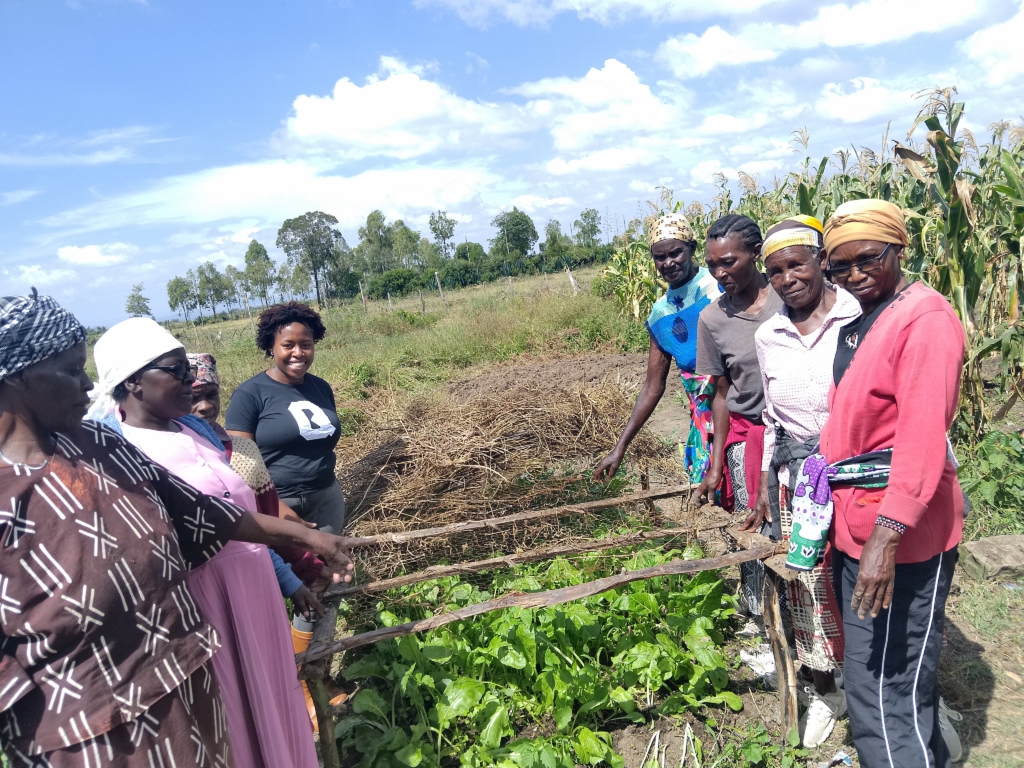
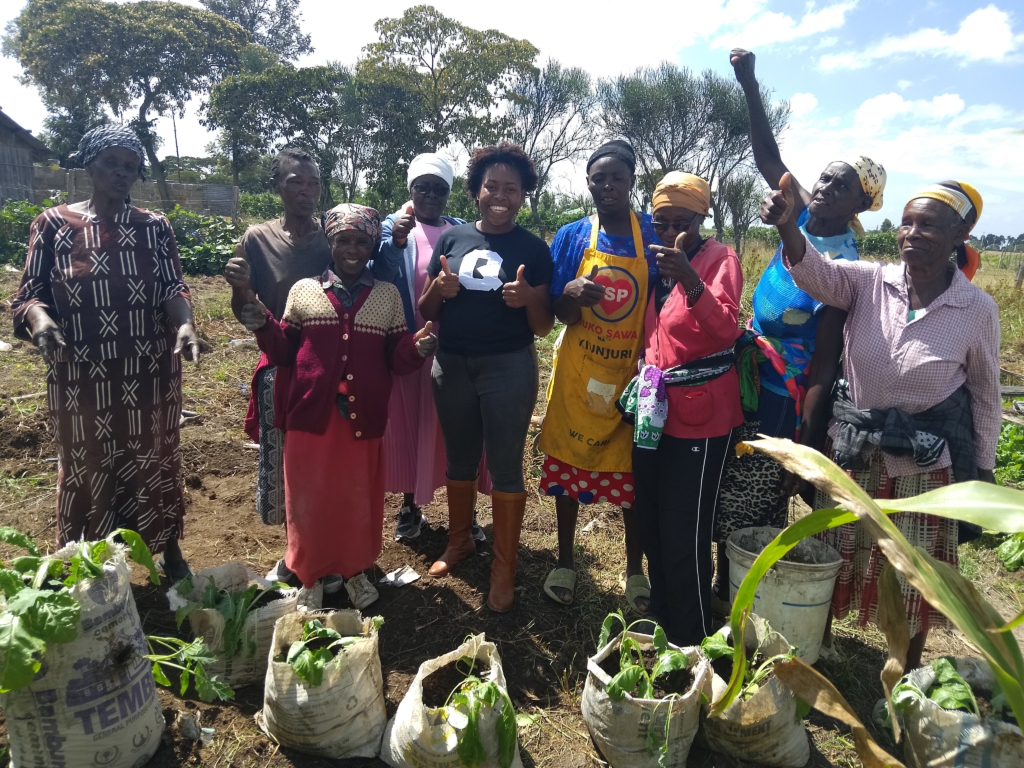
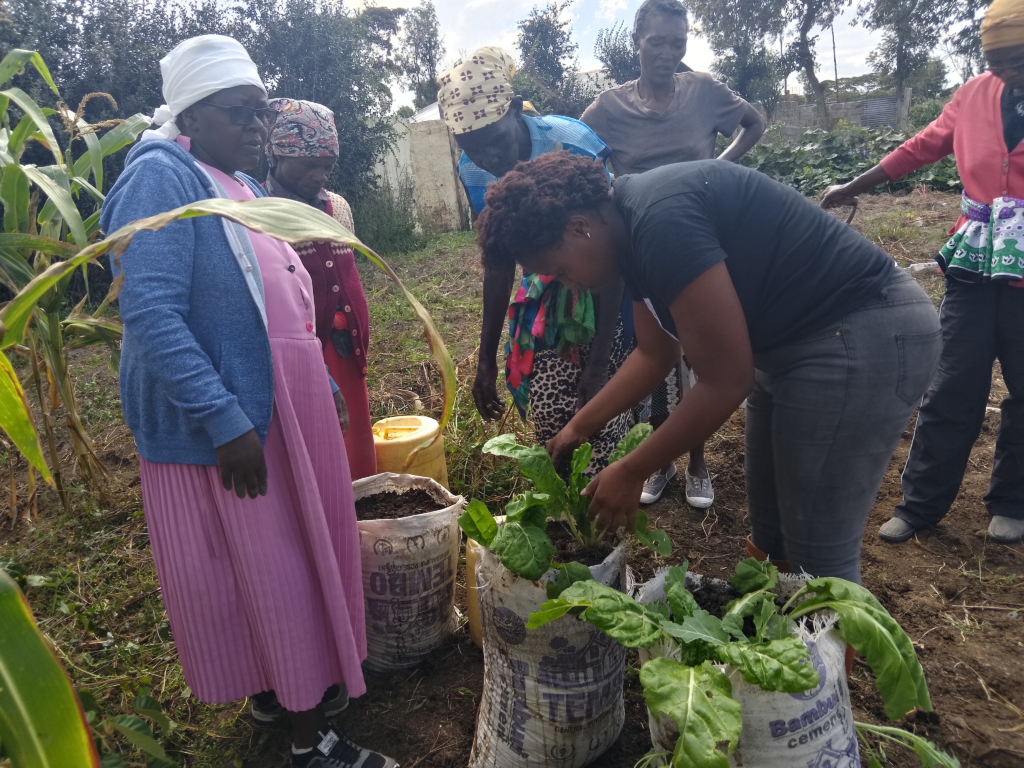
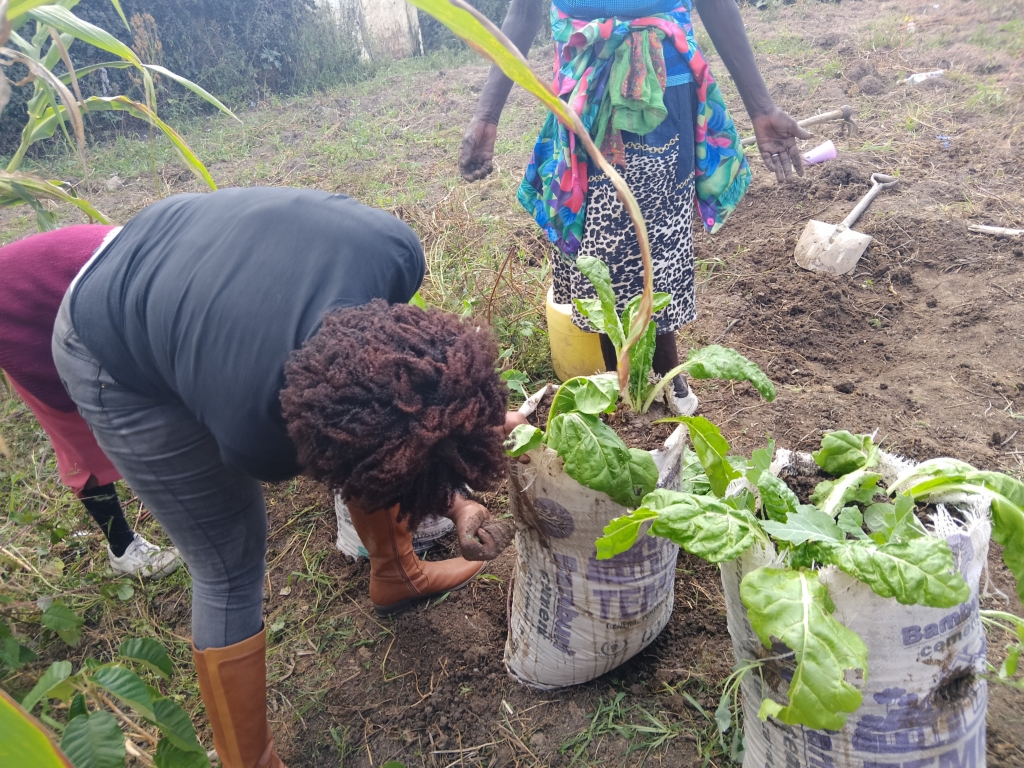
In 2019, a food security project that I was managing in Kajiado County brought communities together for a training session on Climate smart Agriculture. The project had an incredible impact not only to the households that were directly part of the project but also the whole community especially since the beneficiaries of the project could not only harvest but also sold their surplus produce to their neighbors. Months into the harvesting stage, most of the community members had their own kitchen gardens and vertical gardens and would obtain their vegetables from their own homesteads unlike previously where they would buy from the market. This has seen us traversing 6 counties, Laikipia, Kajiado, Makueni, Nakuru, Nairobi and Kiambu, and numerous sub-counties to train communities on sustainable farming methods as we seek to build resilient communities across Kenya.

What advice do you have for others looking to use storytelling as a tool for climate and environmental advocacy?

Story telling is at heart of effective change that we have for so long desired. This should act as a great driving force of change. They should strive to use narratives that clearly depict exactly what the reality at the grassroot communities is.

How do you navigate communicating complex scientific concepts in a way that resonates with a broad audience?
Over the years, I’ve had a common and quite effective method. Usually, I break it down from the complex concept it is to examples of a normal daily encounter that one would have despite our broad geographical zones. For instance, I break down the issue of Climate change to the fluctuation in amount of rain, temperature and season change that everyone experiences and has experienced over their lifetime. Another example is food security, everyone needs to eat to survive and therefore, using this background to explain factors that affect food security has always been effective. Therefore, bringing down these concepts to things and events that people experience on a daily or seasonal basis has worked for me as a great way of ensuring I am at par audience.

What role do diverse voices and perspectives play in effective communication of environmental issues?
Everyone plays a part in communication of environmental issues. Having diverse voices and perspectives enables one concentrate on the issues they are mostly passionate about in the diverse Environmental spectrum. Repetition has for a very long time been an effective tool for marketers and other entities to make their respective audience by into their narrative. In our case, the more communities are engaged by different personalities on environmental matters, the more they are likely to take action. This in sense demonstrate the importance of diverse voices and perspectives in effective communication of environmental issues.

Mercy Kamonjo Wanjiku - sustainability expert and food security activist from Kenya.

How do you personally cope with the emotional toll of engaging with environmental challenges in your storytelling?
The environmental space just like any other sector has its hurdles. I am greatly fortunate to have immense backing from my family. I am also part of youth collaborative networks where we share our experiences and support each other. With this support, I am able to focus on advocacy as I reflect on the goal ahead.

What advice do you have for young people who want to venture into environmental and climate change advocacy using storytelling?
Young people are the largest in population in the African continent, as of last year (2023), around 40% of the population was aged 15 years and younger and although the median age on the continent has been increasing gradually, it remains low at 20 years. This means that we have a great capacity and responsibility to change our continent and see the changes we desire. Young people with the desire to venture into climate and environmental advocacy have to realize that they are already being affected by the very problems that they’re keen to address and there is no better time for us to collaborate as now.

We hope you enjoyed this piece.

If you will like to be featured as one of our Climate Storyteller’s of the month? Kindly use this link to indicate interest or share with friends who qualify: African Climate Stories – Storyteller of the Month.